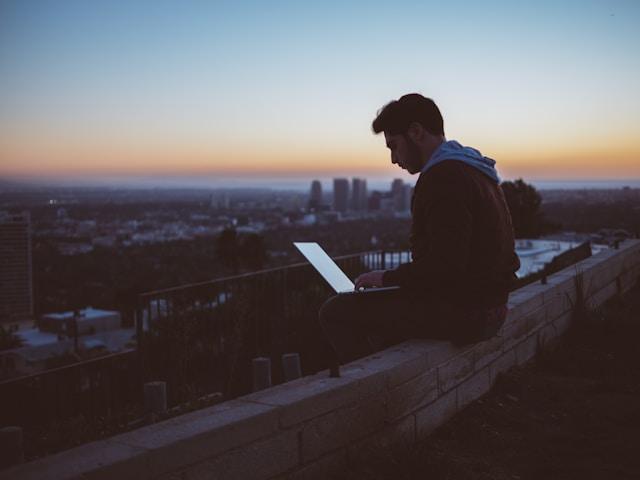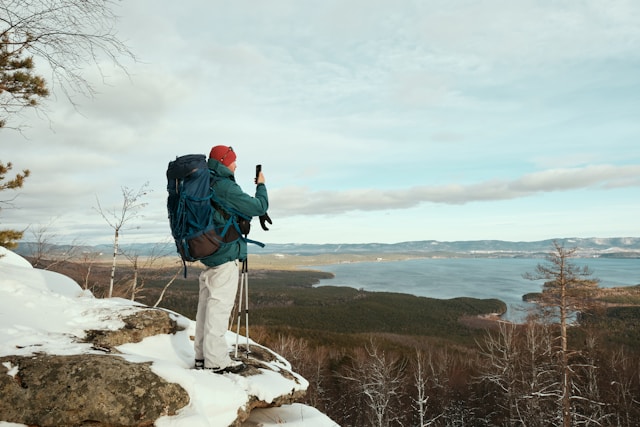
Solo travel has a way of magnifying everything. The freedom feels sharper because every decision is yours, and the uncertainty can feel louder because there is no one else to split the mental load. You arrive in a new place carrying more than luggage, you are also carrying the responsibility of navigation, judgment, and personal security. That reality does not mean solo travel is dangerous by default. It means that safety becomes something you design into the trip rather than something you hope for. The most useful safety habits are rarely dramatic. They are quiet systems that reduce surprises, limit exposure, and keep you in control when you are tired, distracted, or far from home.
The first layer of safety begins before you ever leave. A practical plan is not the same thing as an overplanned itinerary. It is simply a way of making sure that your future self is not forced to improvise under pressure. Knowing where you are sleeping, how you will get there, and what you will do if something goes wrong is more protective than memorizing a list of scary scenarios. Small steps like saving your accommodation address offline, screenshotting check-in instructions, and keeping a copy of key documents in a secure cloud folder can make the difference between a minor inconvenience and a stressful spiral. Timing matters too. Arriving in a new city late at night can be done safely, but it requires more intention because fatigue and unfamiliarity make you more vulnerable. When possible, arriving during daylight or early evening reduces the number of unknowns you have to manage at once.
Where you choose to stay is another decision that quietly shapes your safety. The cheapest option is not always the best bargain when you are traveling alone. A well-reviewed place with a staffed front desk, reliable lighting, and easy access to transport can provide security that is worth more than the money you save by staying far from the center. Convenience is not a luxury when you are solo, it is a protective factor. It reduces the time you spend navigating isolated streets, waiting in unfamiliar places, or making last-minute choices because the plan does not work in real life the way it looked on a map.
Modern travel safety is also deeply tied to what you do online. Social media can turn a trip into a public schedule, especially when posts include live location tags or recognizable landmarks near your accommodation. Solo travelers often feel pressure to share in real time, but delaying posts or keeping details vague protects your privacy without taking away the joy of documenting your experience. In the same way, your phone can be both your greatest tool and your biggest vulnerability. Using a strong passcode, enabling tracking features, and keeping backups of essential documents protects you from the simple fact that phones get lost, stolen, or broken. Public Wi-Fi is another quiet risk. It is not always dangerous, but it is unpredictable, and logging into sensitive accounts on unsecured networks can create problems that follow you long after the trip ends.
Money safety works best when it is built on redundancy. If one card fails or one wallet disappears, you should still be able to eat, travel, and sleep without panic. Keeping a small stash of cash separate from your main wallet, carrying a backup card stored safely, and turning on spending alerts can protect you from common travel disruptions and from opportunistic theft in crowded places. The goal is not to travel in fear. The goal is to avoid being trapped by a single point of failure.
On the ground, much of safety is about attention and posture. This is not about changing who you are to please strangers. It is about recognizing that distracted people are easier targets everywhere in the world. Walking with purpose, checking directions inside a shop rather than on a busy sidewalk, and keeping your belongings secured are simple habits that reduce risk. Even the way you pause matters. Looking uncertain while holding a phone and scanning the street can attract attention you do not want. Learning to move with calm confidence, even if you are figuring things out as you go, is a form of self-protection.
Transportation can feel empowering when it works smoothly, and unsettling when it does not. Using ride-hailing apps wisely means verifying the license plate, confirming the driver’s identity, and choosing seating that allows you to exit easily. Sharing your ride status with a friend may feel unnecessary, but it is one of those low-effort habits that becomes invaluable in the rare situation where something feels wrong. Public transit is often safe and efficient, but the atmosphere of a station can change at night, and the safest option is sometimes the one that reduces waiting and uncertainty. Paying slightly more for a direct route or a reputable service is not wasteful if it keeps you out of vulnerable situations.
Socializing is one of the best parts of solo travel, and it is also where boundaries can blur. Being open does not require being overexposed. Meeting new people in public places, sharing only the details you are comfortable with, and letting someone back home know where you are going are practical habits that still leave space for spontaneity. Solo travelers are sometimes encouraged to treat every interaction as an opportunity, but not every invitation deserves a yes. Protecting your time and privacy is not being unfriendly, it is being selective.
Substances like alcohol deserve the same balanced approach. The point is not strict rules, but clearer judgment. Knowing your limits, watching your drink, and being cautious about accepting open beverages from strangers reduces risk without turning nights out into a moral debate. If your body signals something is wrong, whether that is sudden dizziness or an unusual sense of confusion, listening quickly matters more than being polite. Many bad situations are made worse by hesitation, and hesitation often comes from worrying about seeming dramatic. Your safety is allowed to be your priority.
There is also an emotional side to solo travel safety that people rarely talk about. Loneliness, fatigue, and overstimulation can make you ignore instincts simply because you want the moment to go smoothly. Yet instincts exist for a reason. If something feels off, leaving early is not an overreaction. It is a skill. The ability to exit a situation without overexplaining is one of the most valuable habits a solo traveler can develop. Confidence is not only how you walk through a city. It is how quickly you honor your own discomfort.
Routines can help you stay grounded and alert without becoming anxious. Checking in with a friend at a consistent time, keeping essentials in the same place every day, and doing a quick scan of exits and surroundings when you enter a new space are small behaviors that create stability. They make you more present, not more fearful. It also helps to learn basic local emergency information, such as the emergency number, the nearest hospital area, and how to access consular support if needed. Cultural awareness matters too. Norms around conversation, boundaries, and personal space differ, and understanding them can prevent misunderstandings that put you in uncomfortable situations.
In the end, solo travel safety is not about expecting the worst. It is about refusing to outsource your well-being to luck. When you plan wisely, protect your privacy, reduce single points of failure, and move through the world with attention, you create conditions where freedom feels lighter instead of fragile. The goal is to travel awake, with confidence that comes from preparation rather than bravado. Solo travel rewards people who trust themselves, and trust grows when you know you have done the quiet work that keeps your choices truly yours.
 WhatsApp
 Instagram
 Threads