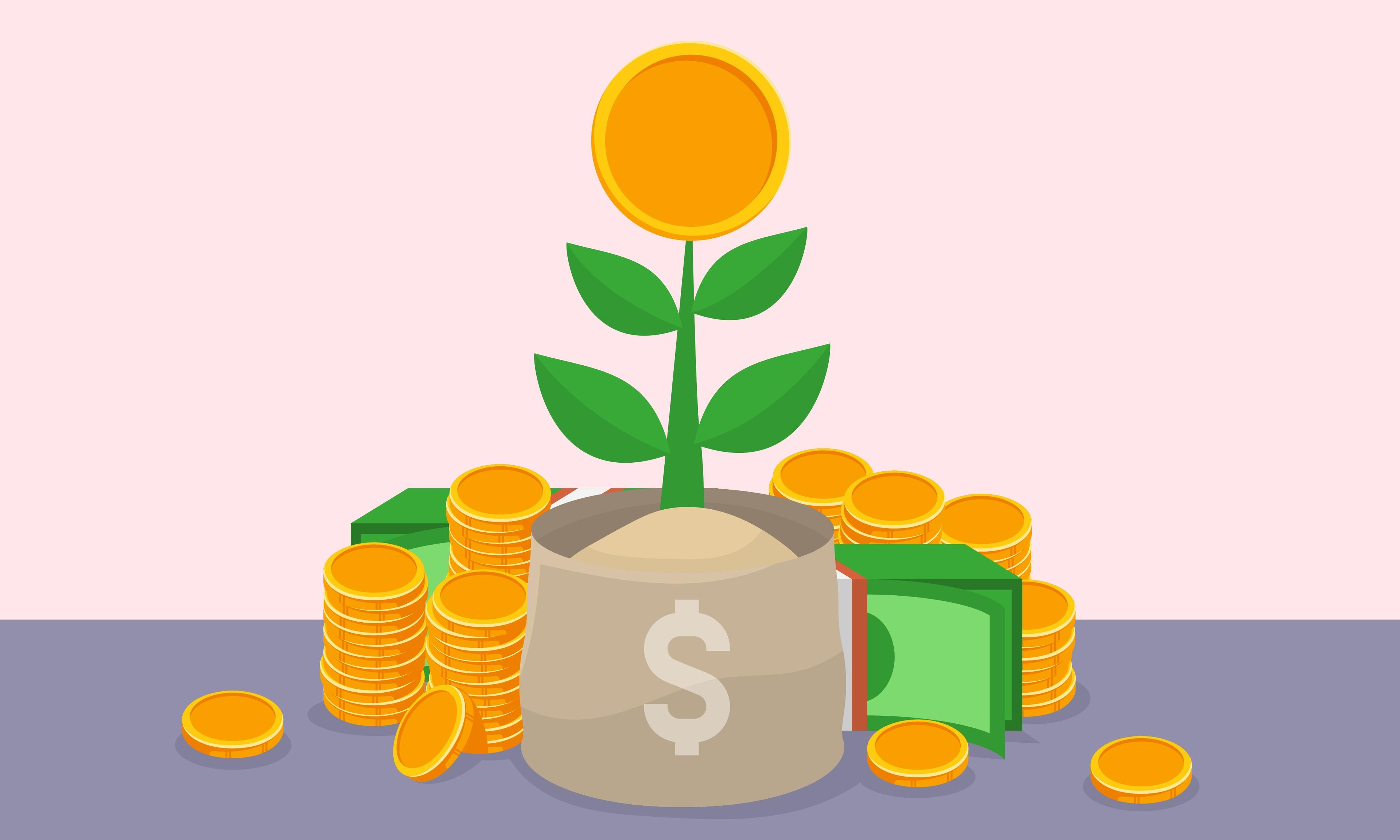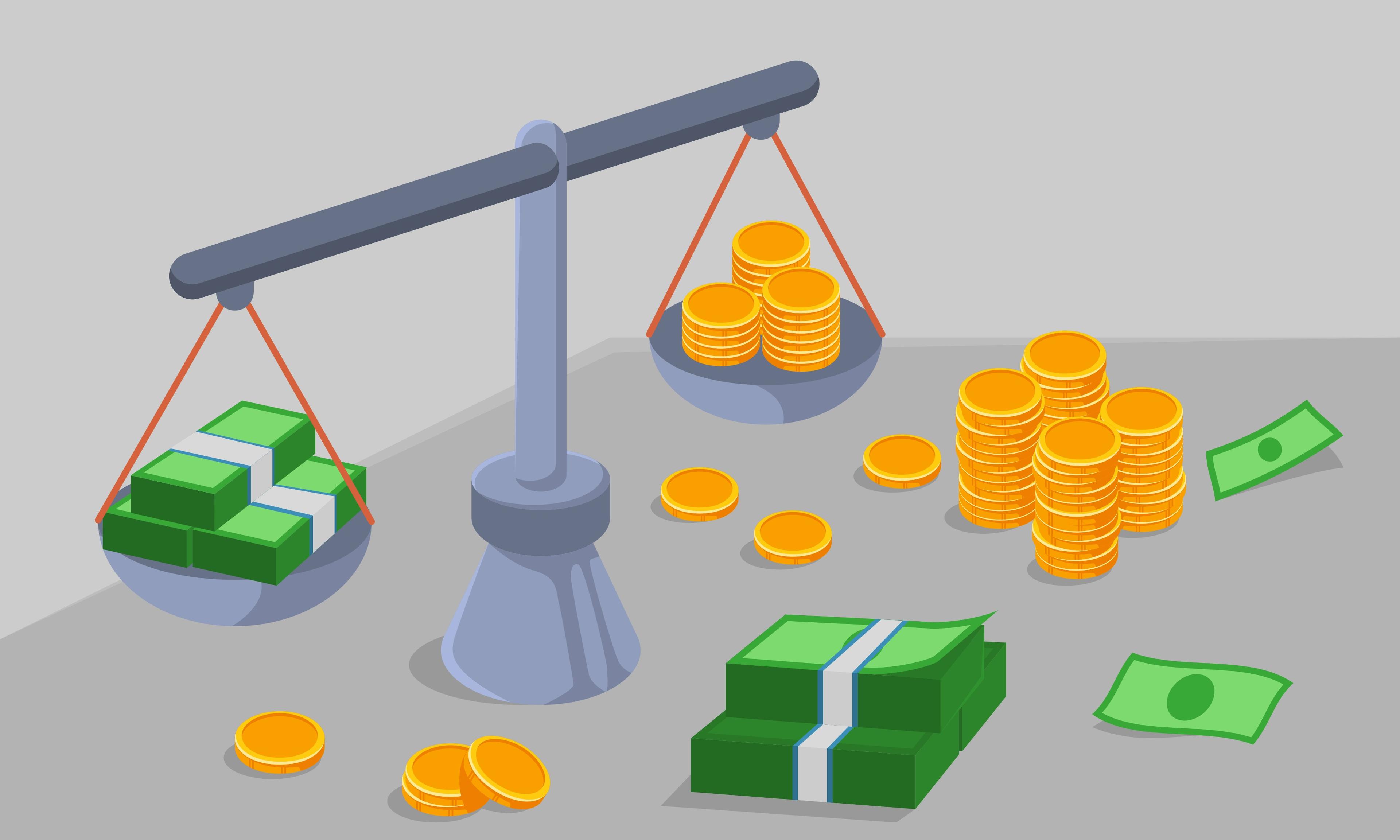
Building passive income is often described as a shortcut to freedom, but for most entrepreneurs it is better understood as a long game of design and discipline. The idea sounds simple: earn money without constantly trading hours for it. In reality, the “passive” part usually arrives only after a period of focused effort, careful setup, and ongoing maintenance. Passive income is not a magic product you buy or a trick you learn. It is a system you build so that value continues to be created even when your attention is elsewhere. For many founders, the motivation is not laziness. It is relief. They want space to breathe when client work slows down, when business costs rise unexpectedly, or when life throws a personal emergency into the week. Passive income represents a form of stability that ordinary sales cycles cannot always provide. Yet the biggest mistake people make is approaching passive income from the top down, chasing the highest returns before building the foundation that makes any strategy sustainable. The most effective approach is the opposite. You start by stabilising your life and cash flow, then you choose assets that can compound, and only then do you add systems that can operate with less and less involvement from you.
The first stage is surplus, because surplus is what creates investable capital. Without surplus, passive income becomes a constant start and stop cycle. Many entrepreneurs try to build side income streams while their finances are still fragile, and they end up abandoning plans the moment a slow month arrives. Surplus is not simply about spending less. It is about structuring your business and personal finances so they do not constantly drain each other. That might mean separating business cash from personal cash earlier than you think, paying yourself something consistent even if it is modest, and resisting lifestyle inflation when revenue spikes. When your baseline is stable, you stop making desperate decisions. That alone changes how you invest.
The second stage is stability. Passive income is extremely difficult to build when you are anxious about bills. A buffer account, proper coverage for major risks, and a plan for irregular cash flow can sound boring, but these are the features of a life that can actually sustain long-term investing. Stability reduces the pressure to chase quick wins and high yields. It allows you to accept that compounding takes time. Entrepreneurs who skip this stage often end up gambling, because urgency makes people impulsive. If you want a passive income plan that survives real life, you have to build it on calm, not on panic. Once you have surplus and stability, the goal becomes repeatability. Passive income is not one lucky investment or one viral digital product. It is a repeatable process for acquiring assets that can produce value without constant rescue. A simple way to test your current situation is to ask what would still produce value if you stopped working for two weeks. If the answer is nothing, then passive income is not an “ideas” problem. It is a structural problem. Your current system is built around your constant involvement, and the work now is redesigning it so parts of it can run without you.
From there, it helps to understand that passive income can be built through different engines, and the right engine depends on what you can realistically manage. Some engines are capital-heavy and time-light. Investing is the obvious example. Over time, a portfolio can become a meaningful source of income or can reduce your reliance on active work by building wealth that can later generate cash flow. It is not glamorous, and it requires patience, but it tends to be cleaner than many alternatives because it can be automated and scaled with consistency rather than effort. The aim here is not to outsmart markets. It is to build a base of assets that can grow quietly and steadily, with your monthly contributions doing more work than your monthly stress.
Other engines are time-heavy upfront and lighter later, such as digital products, licensing, or tools that solve a narrow problem. These can become genuinely “passive-ish” only if they are designed correctly. The difference between passive income and another job often comes down to support. If your course, community, or product requires you to be present constantly, you have created recurring work, not recurring income. The more sustainable approach is to build assets that can be delivered and used without you repeatedly stepping in. That means clear packaging, strong documentation, careful onboarding, and systems that reduce questions, refunds, and ongoing human involvement. It is not that digital products are effortless. It is that they can be designed to require less of you over time.
Then there are hybrid engines like rental income. Property can be a powerful wealth builder, but it is operational by nature. Tenants, maintenance, vacancy periods, and financing choices shape the returns. It can produce consistent income, but it is rarely passive in the way people imagine unless you either have the capacity to manage it well or you are willing to pay for management. Even then, it is still a business with risk, not a guaranteed ATM. The most important part is understanding the difference between an asset that pays you and an asset that demands constant oversight. Passive income is about reducing oversight over time, not pretending oversight does not exist.
One of the most common traps, especially among founders, is optimizing for yield instead of durability. When people are tired or financially stretched, they become tempted by aggressive strategies that promise fast returns. But passive income is not just about returns. It is about reliability. A durable passive income plan survives the months when your attention is elsewhere, when markets are down, or when life becomes messy. A fragile plan collapses when you stop feeding it energy. The real enemy is fragility, because fragility forces you to restart repeatedly, and restarting is exhausting. Durability comes from simplicity, diversification, and automation. Simplicity means you can maintain your plan without constant decision fatigue. Diversification means you are not depending on one stream to protect your peace. Automation means good financial habits happen even when your motivation dips.
A practical way to approach passive income is to stop chasing a fantasy number and start building a runway. Passive income runway means building enough recurring, low-effort cash flow that your monthly baseline feels lighter. Instead of aiming for some dramatic figure, start with a number that actually changes your life. For some people, a few hundred ringgit a month matters because it covers utilities and reduces mental pressure. For others, it is enough to cover a key recurring expense that buys time and options. The number should be meaningful, not performative. When you anchor your plan to a real, reachable target, your progress becomes measurable and motivating.
From there, sequencing matters. Entrepreneurs often fail because they attempt to build multiple income streams at once, splitting attention until nothing grows. The better path is building one stable foundation first, then adding one engine at a time in a way you can sustain. This sequencing could mean stabilising your cash flow and buffers, setting a monthly rhythm of asset accumulation, and only later building an additional engine such as a digital product. The point is to create momentum that compounds. When you build systems in the right order, you are less likely to burn out and more likely to see results that persist.
Ultimately, the most important truth about passive income is that it is delayed effort. You either do the hard work upfront to build something that runs with less involvement, or you accept that you will be maintaining it constantly forever. There is no perfect strategy that requires no effort at all. Effort does not disappear. It moves. If you want passive income, you are choosing where to place your effort so your future workload is lighter. There is also a quiet strategy that often beats the loud ones: reducing dependence before chasing freedom. Many founders feel trapped because their personal or business cost structure has expanded faster than their stability. They increase recurring expenses and commitments, then feel pressured to find passive income quickly to keep up. But the fastest way for passive income to matter is to protect your baseline. When your recurring expenses are intentional, even modest passive income can create breathing room. That breathing room is what gives you the capacity to build more, invest more, and take smarter risks.
Building passive income is not a one-time decision. It is a way of thinking about systems, assets, and durability. If you want to build it successfully, treat it like you would treat building a product. Define a clear outcome, design the simplest system that can achieve it, and make it repeatable. Compounding is rarely loud. It looks like consistent contributions, reinvestment, steady refinement, and patience. Your future self does not need you to be clever. They need you to be consistent.
 WhatsApp
 Instagram
 Threads

.jpg&w=3840&q=75)