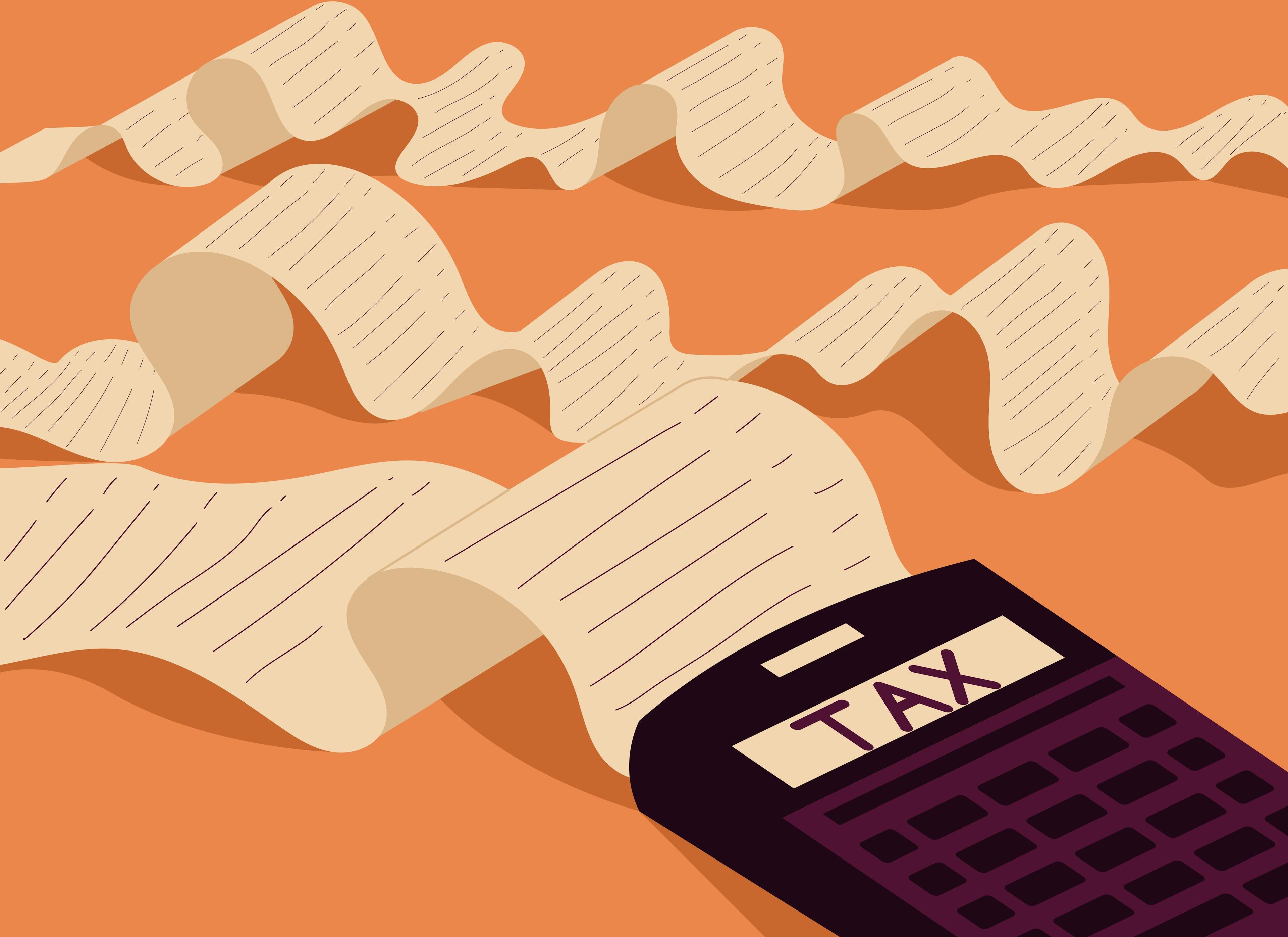
For many Americans, money no longer feels like a tool they can direct, but a force that keeps rearranging their lives without permission. Paychecks arrive and disappear into a mix of rent, groceries, gas, and debt payments that never seem to shrink. Credit cards that once felt like safety nets now feel more like traps. It can be tempting to blame yourself and assume you are bad with money, but the broader picture tells a different story. Household debt has grown rapidly in the United States and the cost of borrowing on credit cards, personal loans, and even short term products has climbed at the same time. Wages have not kept pace, basic living costs have risen, and more people are leaning on credit just to stay afloat.
In that environment, “getting your finances under control” can sound like a hollow slogan. You cannot snap your fingers and make housing cheaper or interest rates fall. What you can do is change your relationship with credit, one practical decision at a time, so it stops dictating the terms of your life. Regaining control is not about perfection, and it is not about shaming yourself into extreme frugality. It is about making your situation visible, protecting what truly matters, and using tools and habits that quietly shift the momentum back in your favor.
The first shift happens in your head. Credit stress thrives in the dark. When you avoid checking your accounts, when you swipe without looking at the total, when you delete emails from lenders without opening them, anxiety grows even if the actual numbers have not changed. Turning that vague dread into specific information is uncomfortable, but it is the starting point for any real progress. That means gathering every piece of credit you use, whether it is a major bank card, a store card, a personal loan, a student loan, an overdraft facility, or a buy now pay later plan. Each one has a balance, a minimum payment, and a cost to carry. Putting all of that into one view, even if it is just in a simple notebook or a basic budgeting app, breaks the spell of “I have no idea what is going on” and replaces it with concrete facts.
Once those facts are in front of you, the second shift is to stop thinking purely in terms of debt payoff goals and start thinking in terms of survival and stability. Many people, fueled by guilt or panic, pour every spare dollar into extra payments because they are desperate to see balances come down. The trouble is that life keeps happening. Rent is due, the car needs a repair, a medical bill appears out of nowhere. If you have starved your basic living expenses in the name of aggressive repayments, you end up right back where you started, reaching for the card again just to get through the month.
Regaining control means reversing this order. Instead of asking “How quickly can I pay this off” as your first question, ask “What are the minimum costs that keep me housed, fed, able to work, and reasonably healthy”. That typically includes rent or mortgage payments, utilities, basic groceries, essential transport, minimum debt payments, and unavoidable medical costs. The total of those items is your survival budget. It is not meant to be aspirational or ideal. It is the baseline that keeps your life from spinning out of control. If your take home pay cannot comfortably cover even that amount, you are not facing a simple budgeting issue. You are facing a structural gap that may require professional help, whether from a nonprofit credit counselor who can negotiate with lenders on your behalf or from an honest look at possible income changes.
The third shift involves building a small buffer so that every surprise does not immediately turn into new debt. Many households do not have enough cash on hand to cope with even a modest emergency. A single car repair, a vet visit, or a medical copay can trigger a new round of swiping or another short term loan. Under those conditions, it does not matter how motivated you are to pay down balances, because every step forward is wiped out by the next unexpected expense.
This is why it often makes sense to pause the idea of maximum debt repayment to create a small emergency fund first. It does not need to be huge. The classic advice of three to six months of expenses can feel so out of reach that it becomes demoralizing. A more realistic first target might be five hundred or one thousand dollars sitting in a separate savings account that you do not see every time you log into your main banking app. The easiest way to build this is through small, automated transfers. Instead of promising yourself that you will save whatever is left at the end of the month, you might set up a weekly transfer of ten, twenty, or thirty dollars. Even modest amounts add up when they happen automatically. When that buffer exists, you have the option to use cash instead of credit when life throws something at you and that protects your future self from even more interest.
With the basics protected and a small buffer growing, you can then look at your debts and decide where to focus. Not all credit is equally dangerous. A relatively low interest student loan with flexible repayment options behaves very differently from a maxed out credit card that charges a high double digit rate and adds late fees if you miss by a day. To regain control, it helps to sort your obligations by both cost and risk. Cost is largely about interest rate and fees. Risk is about how quickly a missed payment will lead to aggressive collection actions or damage that is hard to unwind.
In practice, this often means that high interest credit cards, store cards with steep rates, short term personal loans, and cash advance products deserve the most attention. You may still pay the minimum on everything else for a period of time, but you direct extra dollars to one or two particularly painful accounts. Some people like to prioritize the highest interest rate; others prefer to tackle a smaller balance first because the quick win boosts their motivation. Both approaches can work as long as you are deliberate. The key is to stop scattering small, random extra payments across many accounts and instead choose a primary target. At the same time, if you are already running late, it is better to contact your lenders early than to ignore them. Many lenders have hardship options, temporary forbearance, or modified payment plans, but those are easier to access when you are proactive.
Technology can help, but it needs to be used with clear eyes. Over the past decade, a wave of fintech tools and apps has promised to make managing money effortless. Some of them do provide real value by automating good habits. For example, roundup features that move small amounts into savings every time you spend can slowly rebuild a cushion without constant attention. Apps that monitor your subscriptions and highlight services you rarely use can free up money with one or two cancellations. Calendar reminders and push notifications that warn you a few days before a payment is due can prevent late fees that would otherwise ambush you.
However, there is another category of tools that can give the illusion of progress while actually moving you sideways or even backwards. Debt consolidation offers, balance transfer cards, and app based “all in one” repayment plans can be helpful in specific situations, especially if they genuinely lower your interest cost and simplify your payment schedule. They become dangerous when they are used mainly as a way to clear old balances so you can gain more room to spend again. Before agreeing to any consolidation or transfer, it is worth asking yourself three questions in plain language. Am I really going to pay less overall once I include fees. Does this make my life simpler or am I just moving the problem into a new account. Do I have a rule for how I will use or not use the old credit lines after this change. If you cannot answer those questions honestly, the safer move is to delay and revisit the offer later.
Another increasingly common source of credit stress is the rise of buy now pay later plans. These services started as a way to split up the cost of a purchase over a few weeks. Over time, they have expanded into everyday spending on groceries, household items, and even essential bills. Because there is often no formal credit line and the payments are sliced into tidy installments, many people do not mentally treat these plans as debt. A thirty dollar installment here and a forty dollar installment there feel manageable, until you realize you have five or six overlapping schedules that together are no different than carrying a balance on a card.
If you recognize this pattern in your own life, regaining control does not require you to delete every app at once. A more practical step is to stop adding new plans and to track your existing ones as if they were a single loan. Write down or record in your budgeting tool the total outstanding amount across all providers, not just the next payment. When you get a small windfall such as a tax refund or a bonus, consider using part of it to close out one or two entire plans rather than spreading it thinly across all your bills. As you clear them, commit to using buy now pay later only for planned purchases that you could cover in cash if needed, rather than as a default for anything that feels slightly out of reach that week.
None of this works well if your everyday spending keeps drifting up quietly. Lifestyle creep often happens in tiny increments that do not feel extravagant in the moment. Maybe you start ordering food delivery twice as often, add a couple of new streaming services, or rely on ride hailing whenever you feel a little tired. On their own, each choice is understandable. Together, they can soak up the exact amount of money you needed to strengthen your finances. When money feels tight, social media often responds with dramatic “no spend” challenges that cut all pleasure out of life. Those approaches rarely last. A better strategy is to pick one or two categories where you will deliberately scale down for a season while keeping some joy in your week. That could mean cooking simple meals at home a few nights instead of ordering in, pausing one entertainment subscription until you truly miss it, or choosing public transit or carpooling for some routine trips. Every dollar you free up by doing this is not just a cutback. It is a small vote in favor of your future flexibility.
Perhaps the most overlooked part of regaining control is the emotional storyline you tell yourself. When bills are overdue and balances are high, shame is common. You might look at friends or strangers online and assume everyone else is handling adulthood better than you. The data suggests that many of them are struggling too, only in private. Debt levels are elevated, delinquencies have been rising, and younger borrowers in particular often entered adulthood with a mix of student debt, unstable earnings, and high living costs. The stress you feel is not proof that you are uniquely irresponsible. It is evidence that you are living in a pressured system.
Recognizing that does not absolve you of responsibility. You still have to make choices and follow through on them. What it does is shift the focus from self blame to problem solving. Instead of “I am hopeless with money” you move toward “My situation is tough, but there are steps I can take that matter”. Checking your accounts regularly, building a small buffer, protecting your core expenses, prioritizing a few high cost debts, and using digital tools as supports rather than escapes are not glamorous actions. They rarely produce dramatic before and after stories in a single month. What they do produce, slowly, is a sense that your finances are no longer entirely reactive.
There will still be setbacks. An unexpected bill might force you to rely on credit again. A period of unemployment or illness might undo months of careful work. Regaining control does not mean nothing bad ever happens. It means that when something does happen, you have clearer information, simpler systems, and a bit of savings to cushion the impact. Over time, that difference compounds. Each late fee you avoid, each month where your balances tick downward instead of upward, each decision to say no to a new loan or installment plan you do not truly need, is a small but real act of control.
In a world where credit stress is widespread, it is easy to think that only a windfall or a dramatic change can fix your finances. The reality is more modest and more hopeful. You do not need a perfect plan or a viral side hustle. You need a series of grounded choices that bring your debts into the light, shield your essentials, build a modest emergency fund, focus your repayment energy where it matters most, and keep you honest about how you use modern financial tools. That is the quiet path by which Americans can regain control in an age of rising credit pressure, even if the wider economy remains uncertain.
 WhatsApp
 Instagram
 Threads