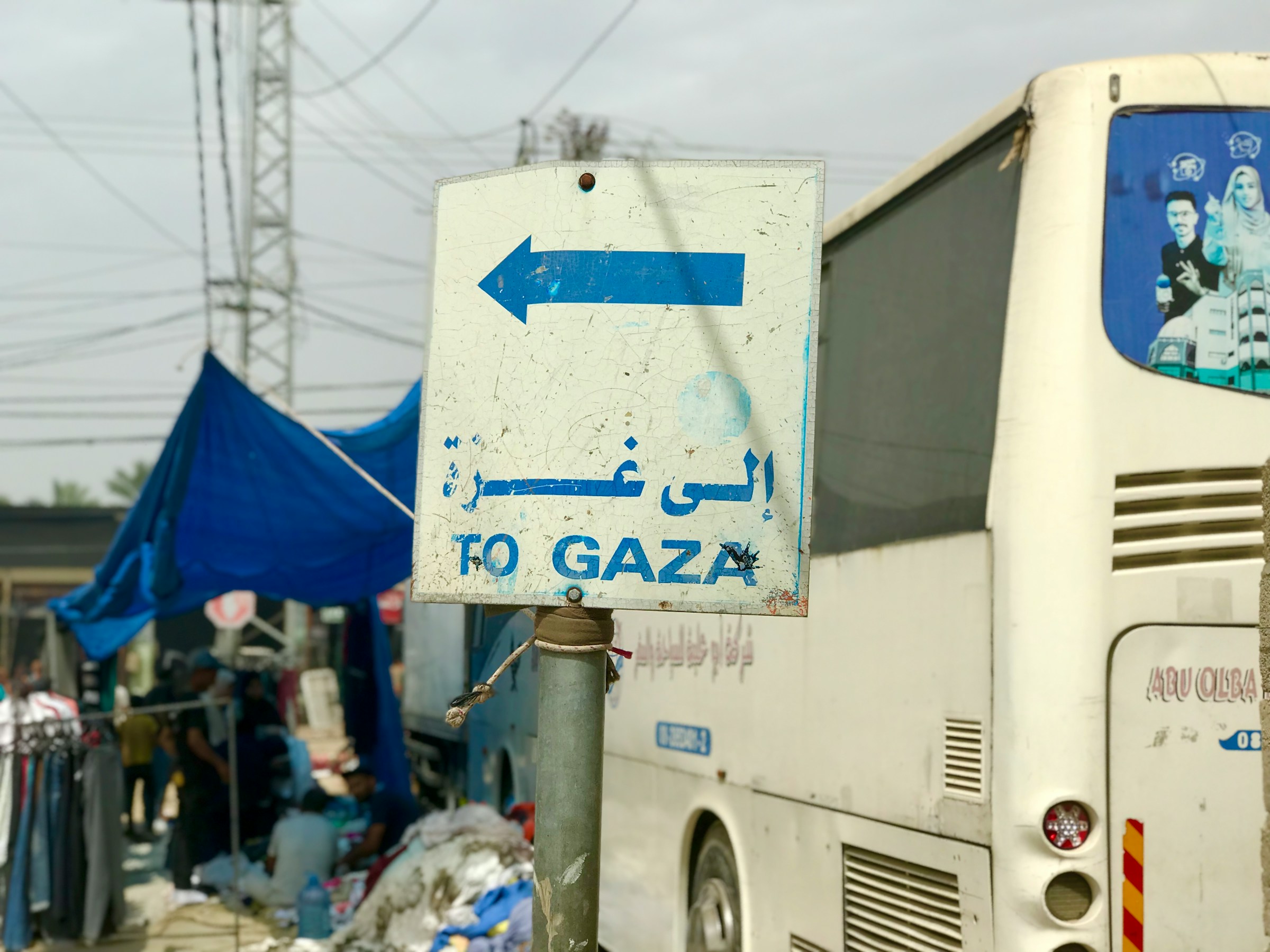
Israel’s stated control of roughly 40 per cent of Gaza City marks an inflection that is tactical on the ground and macro in its knock-on effects. A spokesperson identified Zeitoun and Sheikh Radwan among areas now under Israeli hold, with operations expected to expand and intensify in the coming days. For capital allocators, that language implies a time frame measured in weeks, not days, and a continuing bias toward event risk rather than resolution.
Casualties reported by Gaza health authorities underscore a deteriorating humanitarian picture. At least 53 people were killed on Thursday, mostly in Gaza City, as armored pushes met entrenched defenses and air-to-ground strikes continued on multiple neighborhoods. Residents have defied evacuation orders in large numbers, a behavioral signal that the civilian footprint inside the contested grid will remain high, which in turn complicates operational tempo and aid corridors.
The immediate market read is not about a single headline move in oil or FX. It is about path dependency. Urban operations compress supply chains inside a narrow theater, increase the probability of spillovers along aid-and-security seams, and raise the chance of tactical surprises that reset risk premia. Aid agencies are already flagging elevated displacement and malnutrition risk, which raises pressure on access routes and staging areas that investors quietly monitor as operational chokepoints rather than headlines. That is why the conflict’s center of gravity shifting deeper into Gaza City matters for sovereign desks in Cairo, Amman and Riyadh, as well as for risk teams in European utilities and Asian refiners with East Med exposures.
Exposure mapping begins with Egypt, where fiscal and external buffers have been tested by a slow tourism recovery, Suez-related disruptions in the wider region, and a structurally high import bill. Sustained disorder to humanitarian routing through Rafah or alternative crossings would not collapse these buffers by itself, but it would add volatility to an already delicate mix. For Israel, domestic financing conditions have remained manageable, yet prolonged urban operations tend to widen fiscal outlays and keep the shekel in a credibility-management posture. None of this predicts a break. It simply narrows policy room at the margin, which is what rating committees and sovereign funds notice first.
Energy is the textbook channel, but the story is more nuanced than a headline spike in crude. Incremental risk comes through insurance premia, optionality in regional gas flows, and the willingness of traders and shippers to pre-fund inventory in a headline-sensitive quarter. Even without a direct supply interruption, higher variance around convoy schedules and port operations can translate into wider physical differentials and more expensive working capital for mid-tier players. The longer the urban phase persists, the more these micro frictions accumulate into macro drag.
The second channel is security signaling across borders. With Israeli forces advancing through outer suburbs and a public briefing that frames further expansion as a baseline, counterparties will model the probability of broader escalation, even if low. The defense of aid corridors and the posture of northern fronts remain critical variables. Each additional day of heavy fighting inside Gaza City increases the tail risk of miscalculation, which is why regional sovereigns often pre-empt by building cash cushions or slowing discretionary investment approvals when the operating picture turns fluid.
Liquidity and regulatory response will be incremental, not dramatic. Expect central banks in the neighborhood to continue smoothing FX where pass-through threatens near-term inflation optics. Expect debt managers to bias toward domestic syndication or anchor orders that limit pricing surprises. Gulf sovereign investors are unlikely to make public pivots. Quietly, they tend to rotate toward higher-quality credit and keep dry powder for secondary opportunities if global risk assets reprice on a headline cluster. This is not a flight. It is a posture adjustment that preserves option value.
For Europe and Asia, the practical question is whether logistics managers should lock in longer shipping windows and higher buffer stocks into year-end. Operators already did that once during Red Sea disruptions. The calculus now is whether a deeper urban fight raises the probability of surprise closures, heightened inspection regimes, or episodic interruptions that make just-in-time planning brittle. The answer is probabilistic. Many will over-insure their timetables, accept a small margin drag, and wait for a clearer signal on the duration of this phase.
The political overlay cannot be wished away. International criticism is likely to intensify as casualty counts rise and as images of dense urban damage circulate, while the Israeli briefing line remains that the operation will continue until Hamas’s rule ends and remaining hostages are returned. That framing is open-ended by design, which markets translate into longer uncertainty half-lives. This is how a battlefield statement becomes a capital markets input: it alters the horizon on which risk managers run their scenarios.
What it signals is straightforward. First, conflict duration risk has risen, which argues for stickier risk premia in transport, selective energy differentials, and parts of the Middle East sovereign complex. Second, aid access and civilian displacement trends will exert pressure on neighboring states and on multilateral support envelopes, raising the odds of policy action aimed at cushioning social and price instability. Third, investors should expect more micro-level friction, not a single macro shock. That kind of grind is harder to hedge with a headline trade, but it is easier to manage with liquidity discipline and time horizon control.
This phase may feel tactical, yet the signaling is unmistakably cautious. Allocators will not wait for a ceasefire headline to reposition exposure. They will absorb the new baseline and adjust, one basis point of risk tolerance at a time.
 WhatsApp
 Instagram
 Threads