When you take your first full time job after graduation, your salary can look reassuring on paper. Then the first student loan payment leaves your bank account and the numbers suddenly feel different. The repayment may not push you into crisis, but it quietly squeezes everything else. Each time you think about meeting friends, planning a short trip, or signing up for a gym membership, there is an extra mental calculation: can I really afford this once the loan is paid?
Student loan debt affects personal spending in more ways than a single deduction on your bank statement. The monthly payment behaves like a fixed bill, similar to rent or insurance. Because it is predictable and non negotiable, it comes out before you even start thinking about the rest of your budget. If your income is modest or the loan payment is large, that single line item compresses what is left for essentials such as food and transport, lifestyle spending such as social events and hobbies, and long term goals like savings and investing. Something has to give. If you do not decide intentionally, the cut often appears in the area that feels least urgent today, which is usually your future self.
Over time, this shows up in your major living choices. Housing is often your largest expense after the loan itself. With a heavy loan payment, you might stay with family longer, choose a smaller room, or live farther from the city centre in order to pay less rent. On paper, those decisions are sensible. In practice, they have ripple effects. A cheaper place that is far from work can increase your commute time and transport costs and leave you more drained at the end of the day. When you are tired, you may rely more on food delivery, ride hailing, or convenient but costly habits that slowly erode the savings you thought you were securing.
Student loans can also delay milestones like buying a home. You may feel unable to take on a mortgage while a large education loan is still on your shoulders, or you may struggle to build a down payment because so much of your monthly cash flow is spoken for. That does not mean you will never own a place, but it can mean more years of renting, sharing, or compromising than you imagined when you started your degree. Accepting that reality early can protect you from unfair self comparison and help you set a realistic savings rate for housing instead of constantly feeling behind.
Transport decisions follow similar patterns. Someone without loans might feel comfortable financing a car earlier in their career. You might choose to depend on public transport longer or alternate between trains and ride hailing to keep costs down. In certain cities that can actually be a smart long term choice. The important thing is to recognise that your loan is part of the reason behind the decision and to check honestly whether the tradeoff still suits you as your income and needs change.
The influence of student debt also extends into daily lifestyle spending. A fixed monthly payment can make you more cautious with restaurant choices, weekend getaways, and even gifts for family. Some people respond with strict self denial. They cut nearly every expense that feels optional and pride themselves on being extremely frugal. Others deal with the stress by spending impulsively on small treats. They tell themselves that a coffee, new shirt, or takeaway meal is a deserved reward for working so hard while carrying debt.
Both reactions are understandable, but neither is sustainable on its own. Extreme restriction can bring short term savings but often leads to burnout and rebound spending. Emotional spending can make the week feel lighter, yet it increases anxiety when the next loan payment is due. Student debt magnifies both patterns because the repayment amount is constant. You do not always see quick progress on the principal, yet you feel the sacrifice every month.
A more balanced approach is to accept that your lifestyle budget is smaller during this season and then design it on purpose instead of letting it shrink randomly. You might choose a few non negotiable joys, such as a weekly catch up with close friends or a fitness class that supports your health, and then be ruthless about cutting the casual swipes that do not really add to your happiness. When you spend on what you truly value, you resent your budget less, even if the numbers are tight.
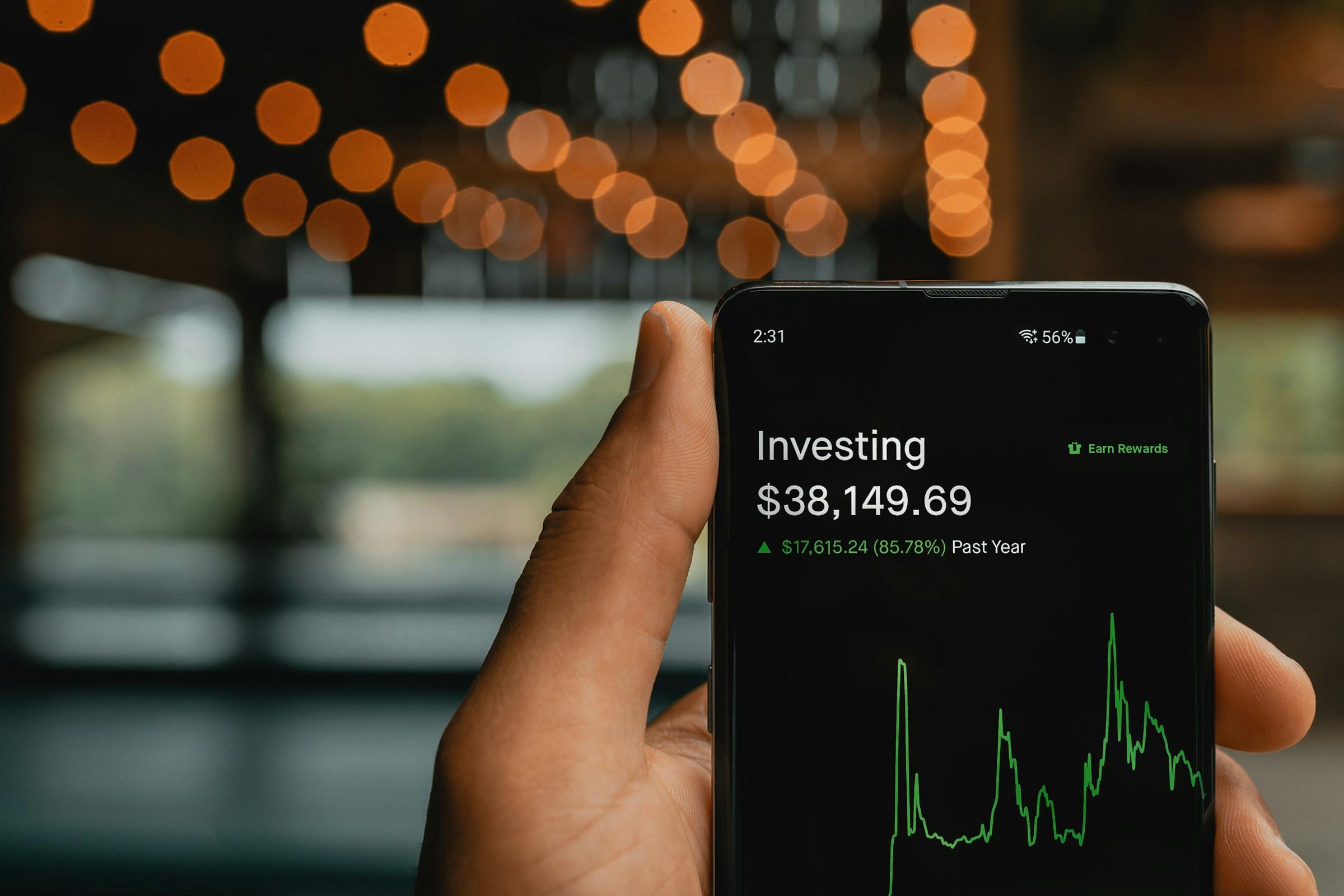
Beyond the month to month discomfort, student loans affect how quickly you can build savings and investments. Many people tell themselves they will only start serious investing after the debt is gone. The problem is that this “later” keeps moving. During your twenties and early thirties, time is one of your biggest assets. Even small amounts invested consistently can grow significantly over decades. If your loan payments consume every spare dollar, your future self loses those early years of compounding. You may reach mid life with a decent income but a thinner investment portfolio than you expected, because so much of your earlier cash flow was used to pay for the past rather than to build the future.
This is why financial planners often suggest a middle path. If your interest rate is not extremely high, you might pay the loan on schedule or slightly faster while still directing a modest monthly amount into savings and investing. The numbers may feel small at first, but the habit matters. Watching your assets rise slowly at the same time that your loan balance falls changes your internal story. You are no longer just “someone trying to get out of debt.” You become “someone who is building net worth.”
The effect of student loans is not only mathematical. It is deeply emotional. Carrying a large balance can make you feel less secure even when your job is stable and your repayment plan is manageable. That sense of insecurity often shapes your spending. You might hoard cash in a low interest account and feel terrified of any sort of investment risk. You might avoid buying essential insurance because you cannot bear adding one more recurring bill. On the other side, you might detach from the numbers entirely, stop checking your loan balance, and spend as if the debt does not exist, simply because you are overwhelmed.
A healthier relationship with your money starts with a few clear reference points. For example, you could choose a target for your emergency fund, such as three to six months of essential expenses. Once you reach that amount, you allow yourself to invest small, regular sums even while the loan continues. You could calculate how many years remain on your repayment plan and mark each completed year as a milestone. When your sense of safety is connected to specific numbers instead of vague worry, your spending decisions become calmer and less reactive.
Student loan debt also influences the bigger choices that eventually shape personal spending. It can nudge you toward certain careers or away from others. Some graduates chase the highest paying roles primarily to clear their debt quickly. Others choose more meaningful but lower paid paths and then feel guilty when the loan payment takes a larger slice of their budget. High paying yet demanding jobs can ease the financial pressure but increase spending on convenience and comfort because there is so little time and energy left. Lower paid but fulfilling roles can support your mental health, but they require stricter discipline in day to day spending.
Debt can even delay life transitions. You might put off moving out on your own, starting a family, or launching a business because you believe you need to settle the loan first. Those delays reshape your spending pattern, sometimes in conflicting ways. Staying with parents might free up cash that could be invested, yet it can also tempt you to increase discretionary spending because your fixed costs are lower. Understanding that these patterns are connected to your loan can help you adjust your plans deliberately instead of drifting along with a vague sense of being stuck.
Given all these effects, it can feel as if the loan controls your life. That is where a simple structure helps. One useful way to think about your money is in four monthly buckets. The first bucket holds your fixed commitments, including rent, utilities, insurance, and the student loan payment. The second bucket is for essential variable expenses like groceries and transport. The third bucket is for your future self, which covers your emergency fund, investments, and any planned savings for big goals. The fourth bucket is lifestyle, which covers everything else.
Look at what percentage of your take home income currently goes into each bucket. If fixed commitments and essentials already consume most of what you earn, you will have to keep lifestyle spending lean until your income grows or your loan balance shrinks. In this situation, try not to eliminate the future self bucket entirely. Even a small automatic transfer builds the habit of paying yourself first. If you have more room after covering basics, you might choose to increase your loan repayment a little so that you shorten your total repayment period, while still allowing for steady saving and investing. The goal is to avoid extremes. You do not need to direct every spare cent to the loan at the expense of your mental health and long term savings. At the same time, you do not want the loan to linger for decades while your lifestyle spending expands in every direction. A balanced plan respects the reality of the debt but still protects your future.
In the end, student loan debt will shape your personal spending for a season of your life, but it does not have to define your whole financial story. It can teach you to be more thoughtful about tradeoffs, more aware of what you truly value, and more disciplined in how you move money toward your goals. When you bring the loan into the centre of your planning, rather than treating it as a shadow that haunts every decision, you regain a sense of control. You know what you are paying, why your budget looks the way it does, and how each month moves you one step closer to the day the debt is gone.
 WhatsApp
 Instagram
 Threads