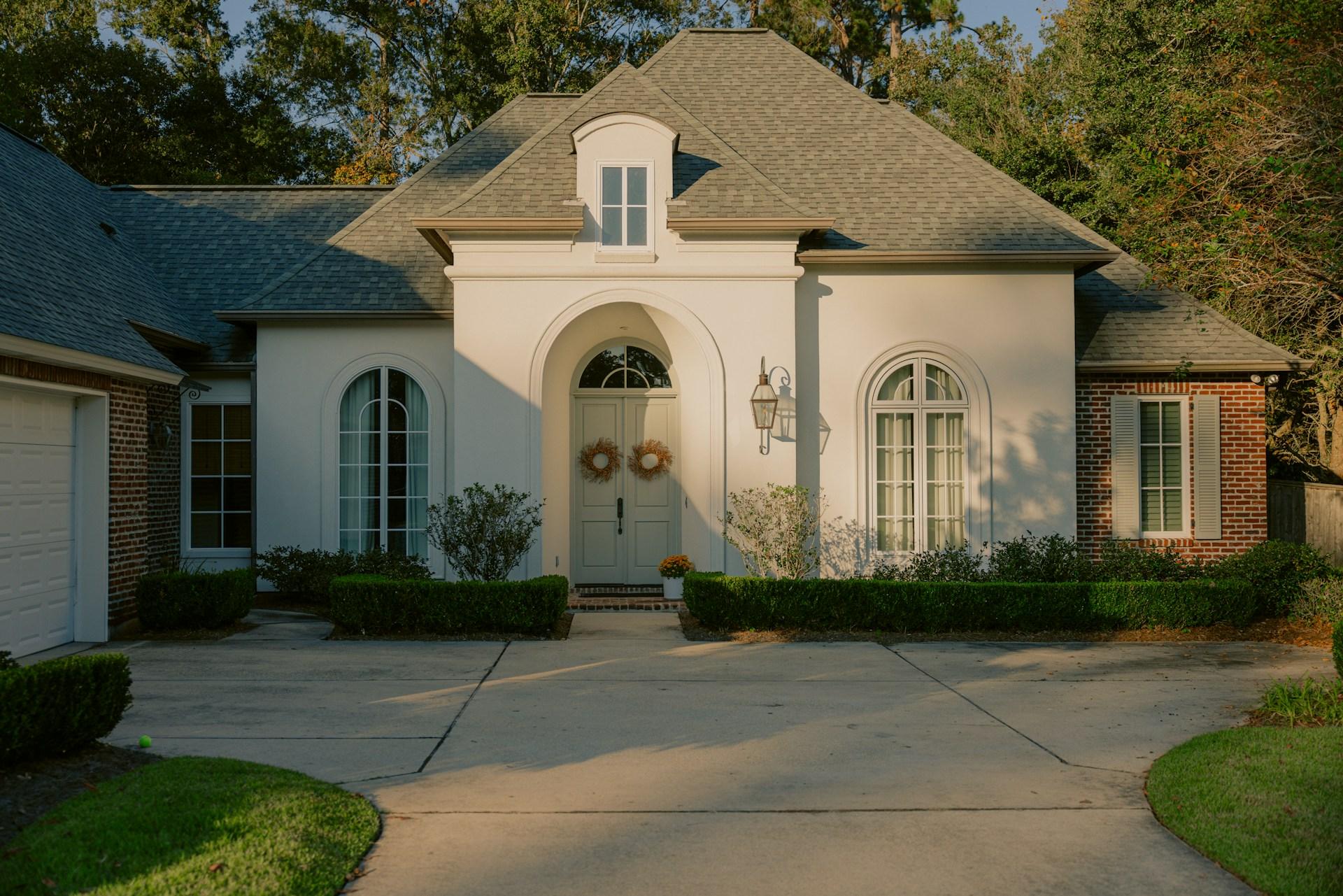
A reverse mortgage is often described as a way for older homeowners to turn part of their home value into usable money without selling the property. That description is accurate, but it can feel too neat, as if the loan simply converts bricks and mortar into cash and nothing else changes. In reality, a reverse mortgage is a retirement financing tool that rearranges the timing of your money. It offers relief today by borrowing against tomorrow’s home equity, and it does so with a structure that requires careful attention to fees, compounding interest, and the life events that eventually bring the loan to an end.
To understand how a reverse mortgage works, it helps to start with the simplest comparison. A traditional mortgage usually begins when you buy a home. You borrow a large amount, then repay it month by month. Over time, your payments reduce the balance, and the portion of the home you truly own, your equity, grows. A reverse mortgage flips that pattern. You already own the home or have substantial equity in it, and instead of you paying the lender each month, the lender advances money to you. The loan balance typically grows over time because interest and certain fees are added to what you owe. You are not eliminating a cost. You are shifting when the cost is paid.
This shift is what makes reverse mortgages appealing to many retirees. In retirement, cash flow matters more than it did during working years. A household can have significant wealth on paper, especially in the form of a paid-off home, while still feeling strained by everyday expenses, healthcare bills, or unexpected needs. A reverse mortgage can create breathing room by turning an illiquid asset into liquid funds. It can feel like unlocking money that has been “stuck” in the house for years. Yet that liquidity comes from a loan, and every loan has conditions.
Most reverse mortgages are designed for older homeowners, and they are usually tied to a primary residence. While the rules vary by country and program, the logic behind the age requirement is straightforward. The lender is advancing funds with repayment pushed into the future. The older the borrower, the shorter the expected loan duration, which often allows a higher amount to be borrowed relative to the home value. This is one reason reverse mortgages are often discussed in the context of retirement planning. They are not primarily meant for short-term house flips or for properties you do not live in.
The amount you can borrow is not arbitrary. It typically depends on your age, the home’s value, prevailing interest rates, and program limits. Your home is the collateral, so the lender assesses its condition and marketability. A well-maintained home in a stable market is easier to lend against than a property with major repair needs or uncertain value. In many cases, reverse mortgage programs also have caps or formulas that determine the maximum borrowing amount, which can be important for homeowners with high-value properties. Even if your home is worth a great deal, you may only be allowed to borrow up to a set limit.
Once you are approved, the reverse mortgage offers different ways to receive the money. Some borrowers choose a lump sum at closing, which can feel straightforward, especially if the goal is to pay off an existing mortgage, cover a large expense, or consolidate debts. Other borrowers prefer a line of credit, which can be drawn from as needed. Some arrangements provide monthly payments, which can help support regular living expenses. The delivery method matters because it affects how quickly the loan balance grows. A lump sum means you begin owing interest on a large amount immediately. A line of credit used gradually often means interest accrues only on what you take out. A monthly payment option sits somewhere in between, with the loan balance typically increasing as funds are paid out over time.
A key feature of most reverse mortgages is that you are generally not required to make monthly mortgage payments while you remain eligible under the loan terms. This is the headline attraction. But it is crucial to understand what “no monthly payments” actually means. It does not mean the loan is not costing you anything. Interest and certain fees are accruing, and those amounts are added to the balance. You are paying, just not in a monthly out-of-pocket way. The cost is carried forward and settled later, usually when the loan becomes due.
While you are not making monthly mortgage payments, you still have responsibilities. Most reverse mortgage agreements require that you live in the home as your primary residence, keep the home in reasonable repair, and stay current on obligations such as property taxes and homeowners insurance. These conditions are not side notes. They are central to how the lender protects the collateral. If you fail to meet them, the loan can become due earlier than you expect. In other words, a reverse mortgage does not remove the ongoing cost of owning a home. It changes how the financing piece works, but it does not erase taxes, insurance, maintenance, and utilities, which can be significant for retirees.
The question of when the loan must be repaid is where reverse mortgages can surprise people who have only heard the marketing version. A reverse mortgage typically becomes due when a triggering event occurs. Common triggers include selling the home, moving out permanently, or the death of the borrower. This is why reverse mortgages are closely tied to the idea of “aging in place.” If you intend to move within a few years, you may face repayment sooner than you hoped, and that can make the upfront costs feel less worthwhile.
Household structure also matters greatly. If a couple is involved, the details of who is legally a borrower and what occupancy rights exist for a surviving spouse can shape the risk. In some arrangements, a spouse who is not listed in a certain way could be vulnerable if the borrowing spouse dies or moves into long-term care. Even when protections exist, they often depend on meeting conditions such as continued occupancy and staying current on taxes and insurance. It is not enough to assume that a spouse will automatically be safe. The exact terms need to be understood, especially if there is an age gap, second marriage considerations, or complex family arrangements.
Repayment is often handled by selling the home. The sale proceeds are used to pay off the loan balance, including principal, accumulated interest, and fees. If the sale proceeds exceed what is owed, the remaining equity belongs to the homeowner or the estate. If the proceeds are not enough to cover the balance, many reverse mortgage structures are designed so that the borrower or heirs are not required to pay the shortfall out of pocket, provided the loan conditions were followed. This feature can reduce the fear that the debt will spill over into other assets, but it does not eliminate the central tradeoff. A reverse mortgage reduces future equity by design, and the longer it remains outstanding, the more that effect can grow.
Costs are a major part of the reverse mortgage story because they can shape whether the loan is an efficient solution or an expensive one. Reverse mortgages often include upfront fees such as origination costs, closing costs, and sometimes insurance premiums or similar risk charges depending on the program. There is also the ongoing cost of interest. Because the borrower usually is not paying interest each month, it is added to the balance, and future interest is calculated on that growing balance. Compounding can be gentle over a short period and powerful over a long one. This is why reverse mortgages tend to be more suitable for people who plan to stay in the home for an extended period and who benefit meaningfully from the cash flow relief.
The way you use the funds matters just as much as the loan structure. If you take a large lump sum but do not truly need it, you may be paying interest on money that sits idle. If you use the funds to cover basic living expenses but do not adjust your broader budget, the relief may be temporary while the loan balance continues to rise. In contrast, if you use a reverse mortgage strategically, for example to pay off an existing mortgage that is straining monthly cash flow, the change can be meaningful. Some households use the reverse mortgage to reduce the need to withdraw from investments during market downturns, which may help preserve a portfolio over time. The goal should be clearly defined, because reverse mortgages are easiest to manage when the borrowed funds are connected to a specific plan rather than vague spending.
A reverse mortgage can also function as a financial buffer. Retirement expenses often arrive unevenly. A large medical bill, home modifications for mobility, family support needs, or a major repair can disrupt a budget that otherwise looks stable. Accessing home equity through a line of credit can provide flexibility. Flexibility has value, especially when it prevents a forced sale of investments or an early withdrawal from retirement accounts. Still, it is important to treat that flexibility with discipline. Easy access to funds can invite overspending if the household is not careful about the long-term consequences.
To decide whether a reverse mortgage fits, it helps to compare it with alternatives, not in theory but in your personal context. Downsizing is the most straightforward alternative because it unlocks equity without creating a compounding loan balance. It can also reduce ongoing home costs if the new property is smaller or in a lower-cost area. The challenge is emotional and practical. Not everyone wants to move, and not every housing market makes downsizing easy. A home equity line of credit can provide flexible borrowing, but it requires monthly payments and may come with variable interest rates. A cash-out refinance can restructure housing debt, sometimes at a lower rate than a reverse mortgage, but again it requires monthly payments and underwriting based on income. Some retirees choose to rely on investment withdrawals instead, accepting market risk and the possibility of withdrawing more during a downturn. Each option has tradeoffs, and the best choice depends on what you are trying to protect.
The biggest planning mistake is treating a reverse mortgage as a purely housing-related decision. It is also a cash flow decision, a risk management decision, and for many families, an inheritance decision. Even if you intend to leave the home to children, the reverse mortgage will affect what is left unless the heirs plan to repay the loan balance by other means. That does not mean a reverse mortgage is wrong. It means the choice should be made deliberately. Some retirees prioritize stability and comfort now, while others prioritize preserving a home for the next generation. There is no universal moral answer, but there is a need for honesty about the tradeoff.
Another area where people misjudge reverse mortgages is the ongoing cost of owning the home. Even if there is no monthly mortgage payment, the home still demands money. Property taxes can rise, insurance can become more expensive, and maintenance is unavoidable. Older homes often require larger repairs at unpredictable times. If the reverse mortgage is being used because cash flow is tight, you need to ensure that you can still afford the home’s ongoing costs, because failing to pay taxes or insurance can trigger loan default. A reverse mortgage can relieve one pressure while making another pressure more consequential.
There is also the reality of life changes. Health can shift quickly. A borrower who expects to stay in the home may later need assisted living or to move in with family. If moving out permanently triggers repayment, the plan needs to account for that possibility. Couples should consider scenarios such as one partner moving into care while the other remains at home, and what the loan terms say about occupancy and timelines. These are uncomfortable conversations, but they are far better to have in advance than during a crisis.
At a practical level, reverse mortgages can be described in one sentence: they allow you to borrow against your home equity and receive the funds without monthly mortgage payments, while interest and fees accumulate until repayment is triggered by a life event such as moving out, selling, or death. But the planning truth is a little richer. A reverse mortgage is a tool for converting housing wealth into retirement flexibility. It can be an income supplement, a safety net, or a way to buy time for other financial strategies. It can also be expensive if used without a clear goal, and it can reduce future options if the household’s circumstances change.
If you are evaluating a reverse mortgage, the most helpful approach is to stress-test it with realistic questions. Consider your timeline. How long do you reasonably expect to remain in the home, not just emotionally, but based on health, family needs, and the home’s suitability as you age? Consider your cash flow stability. Even without a mortgage payment, can you afford taxes, insurance, and maintenance comfortably? Consider household continuity. If one spouse dies, what happens to the other spouse’s right to stay? If one spouse needs long-term care and is no longer living in the home, does that change the loan status? Consider your values around inheritance. If leaving the home is important, do your heirs have a plan to repay the loan balance if they want to keep the property? And finally, consider whether the borrowing method matches your behavior. A line of credit can be safer for some households than a lump sum because it discourages borrowing more than needed, but only if you actually treat it as a reserve.
Reverse mortgages are neither a financial trap nor a miracle. They are a specialized loan that can be genuinely helpful when the household is a good fit and when the terms are clearly understood. The most important thing is not to focus only on the headline benefit of no monthly payments. The real evaluation is about the total cost over time, the conditions you must meet to remain eligible, and the way repayment will intersect with future life events. When those pieces line up, a reverse mortgage can help a homeowner stay in place with more financial comfort. When they do not, the loan can create stress at the exact moment you want retirement to feel simpler.
 WhatsApp
 Instagram
 Threads