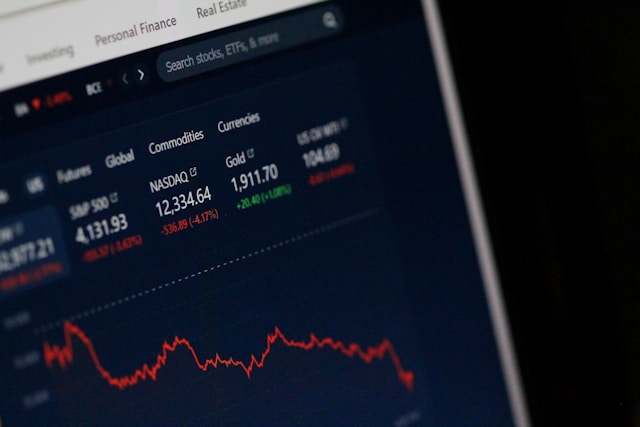
Gen Z is stepping into adulthood at a time when money can feel both more visible and more confusing than ever. Prices move quickly, job paths look less linear than they did for previous generations, and social media makes it seem like everyone else has a secret strategy. In that noise, investing can look like a high-stakes arena reserved for people who already have high incomes or perfect knowledge. But the most important reason Gen Z should start investing early has very little to do with being an expert. It has to do with time. When you begin early, you are not trying to outsmart the market. You are simply giving your money the longest possible runway to grow.
The real power of starting early is compounding, although that word is often used so casually that it loses its meaning. Compounding is not just a math concept. It is what happens when growth builds on itself year after year, and the passage of time becomes an ally instead of an enemy. The first months of investing can feel uneventful, and the first year may not look dramatic, especially if you are contributing small amounts. That is normal. Compounding is not designed to impress you quickly. It is designed to reward patience. Over decades, even modest, consistent investing can create a result that feels out of proportion to the effort, not because you found a shortcut, but because you started before urgency forced you to take bigger risks.
Starting early also changes the emotional temperature of your financial life. When you wait until later, investing can feel like a scramble. You may feel pressure to contribute more than is comfortable, or you may chase aggressive strategies to “catch up.” That sense of catching up is stressful, and stress tends to produce mistakes. Beginning in your twenties, even with small contributions, reduces the pressure on your future self. It gives you space to learn, to refine, and to stay steady. You do not have to be perfect. You just have to be consistent enough for time to do its job.
One of the most overlooked advantages Gen Z has is flexibility. Flexibility is not only about being young. It is about having fewer fixed commitments compared to later life stages. Early investing lets you build an asset base while your timeline is long and your goals are still taking shape. That asset base can quietly support future choices, such as moving to a new city, changing careers, taking time to upskill, or managing an unexpected life event without feeling financially trapped. It does not mean you should treat investments like a savings account you dip into casually. It means you are building resilience while you still have the easiest conditions for doing so.
It also helps to recognize that inflation is already shaping your life whether you pay attention to it or not. Cash feels safe because it does not fluctuate, but over long periods, cash often loses purchasing power. The same amount of money buys less as costs rise. This is not a reason to panic, and it is not an argument for reckless risk. It is simply a reminder that doing nothing is also a decision. Investing is one of the primary ways people try to protect long-term purchasing power and grow beyond it. If you are Gen Z, you have likely already noticed how quickly basic expenses can change. Investing early is one way to keep your long-term financial future from quietly drifting backward while your life gets more expensive.
Beyond the numbers, early investing builds the habit that matters most: consistency. Many people think investing success is about intelligence or being good at predicting what will happen next. In reality, long-term success is much more closely tied to behavior. It comes from contributing regularly, staying diversified, keeping costs reasonable, and not letting emotion hijack your plan. This is especially relevant for Gen Z because your investing environment is unusually loud. You are the first generation to invest under constant social pressure, surrounded by trending stocks, viral wins, and confident opinions from strangers. That environment can push you into two common traps: panic selling when markets fall, and hype buying when something is rising. Beginning early with manageable amounts gives you the chance to learn how you personally react to volatility before the stakes feel high. You discover your patterns and build discipline while your portfolio is still small enough that mistakes are survivable and learning is affordable.
This is why the best early investing strategy is often designed to be boring. That may sound like an insult, but it is the opposite. Boring investing is stable investing. If your plan depends on being excited, constantly watching the market, or making frequent “moves,” it is likely to break the moment life gets busy, work becomes demanding, or the market becomes scary. A plan built for decades should be quiet enough to run in the background of your life. When you start early, you give yourself time to create that kind of system.
Of course, investing works best when it does not compete with panic. Before Gen Z commits heavily, it helps to build a basic foundation. A cash cushion can prevent the most common mistake early investors make, which is being forced to sell investments during a bad market simply because a real-life expense showed up. The goal of a cushion is not to avoid investing. It is to make investing durable. If a sudden car repair, medical bill, or job transition would cause you to liquidate your investments, you are not investing from a position of stability yet. Building that stability first makes the investing habit easier to maintain and less emotionally disruptive. Debt matters in this picture too. Some debt is manageable, and some is aggressively expensive. High-interest debt creates a guaranteed drag on your finances. When you are carrying that kind of cost, investing may feel like taking one step forward and one step back. Paying down expensive debt can be one of the most effective financial moves because it reduces a known burden. Once your foundation is in place, investing can become less of a tug-of-war and more of a steady build.
A common hesitation among Gen Z is the belief that starting small is not worth it. This is one of the biggest misunderstandings in personal finance. Small investing is not pointless. Small investing is practice. It trains you to set up accounts, contribute automatically, hold through downturns, and keep your strategy steady even when the market is noisy. It also trains you emotionally. You learn what it feels like to see your investments fluctuate, and you learn to separate normal market movement from true emergencies. These skills matter more later, when your income rises and your contributions grow. People who start early often make better decisions later because investing is already part of their identity. They are not trying to become an investor overnight at 35 with a sense of urgency and regret.
It also helps to reframe what knowledge is required. Gen Z sometimes delays investing because they feel they need to understand everything before they begin. But you do not need perfect knowledge. You need a few clear principles. You need to know why you are investing and how long you plan to stay invested. Time horizon changes everything. Money intended for retirement can generally tolerate more volatility because you are not trying to spend it next year. Money intended for a near-term goal should usually be kept in safer places where you are not exposed to the risk of needing it during a market downturn. Mixing these timelines is a common mistake, and starting early gives you time to separate them cleanly.
You also need to understand risk in practical terms, not theoretical ones. Many people believe they have a high risk tolerance until they see their balance drop and feel sick about it. A strategy should be chosen not only based on what might produce a high return, but on what you can actually stick with when markets are uncomfortable. A plan that you abandon during stress is not a real plan. It is a temporary idea. Diversification and simplicity often help people stay invested because they reduce the temptation to react emotionally to short-term events.
Fees and friction matter too, especially over long periods. A small fee may look harmless in a single year, but over decades it can quietly erode outcomes. Frequent trading can also create friction, not only through fees but through behavior, because it encourages you to treat investing like entertainment. For Gen Z, this is especially important because social media can blur the line between investing and gambling. A steady approach that minimizes unnecessary activity often produces better long-term results than a clever approach that demands constant attention.
Social comparison is another trap Gen Z has to navigate. Online, investing is often presented as a performance. People post wins, highlight unrealized gains, and share confident predictions. They rarely share their full risk exposure, their losses, or the fact that many “wins” were luck or temporary. If you compare your early journey to someone else’s highlight reel, you will feel behind even when you are doing the right things. Investing is not meant to impress an audience. It is meant to support your future. The success measure is not whether your portfolio looks exciting this quarter. The success measure is whether your plan helps you build options over time.
This matters because Gen Z is balancing investing with real goals that are not optional: rent, travel, moving out, supporting family, education, and eventually buying a home. Starting early does not mean choosing investing over living. It means designing a system that respects both. The healthiest approach is often to keep near-term goals in safer vehicles, while letting long-term goals compound through diversified investing. When those goals are separated, you do not have to make painful trade-offs every time the market moves. You know what money is for what timeline, and your plan becomes calmer.
Ultimately, the reason Gen Z should start investing early is not because you have extra money lying around or because you can predict the future. It is because time turns simple actions into powerful results. Early investing lowers the pressure on your future self, builds resilience against inflation, creates flexibility in your life choices, and strengthens the habits that matter more than any single market prediction. It helps you move from feeling like money is something that happens to you, to feeling like money is something you can shape over time. If you take one idea from this, let it be this: you do not need to start big. You need to start steady. Choose an amount that you can repeat without resentment. Build a foundation that prevents panic. Keep your strategy simple enough to survive busy seasons. Then give it time. The smartest investing plans are rarely loud. They are consistent, patient, and built to last.
 WhatsApp
 Instagram
 Threads







-1.jpg&w=3840&q=75)