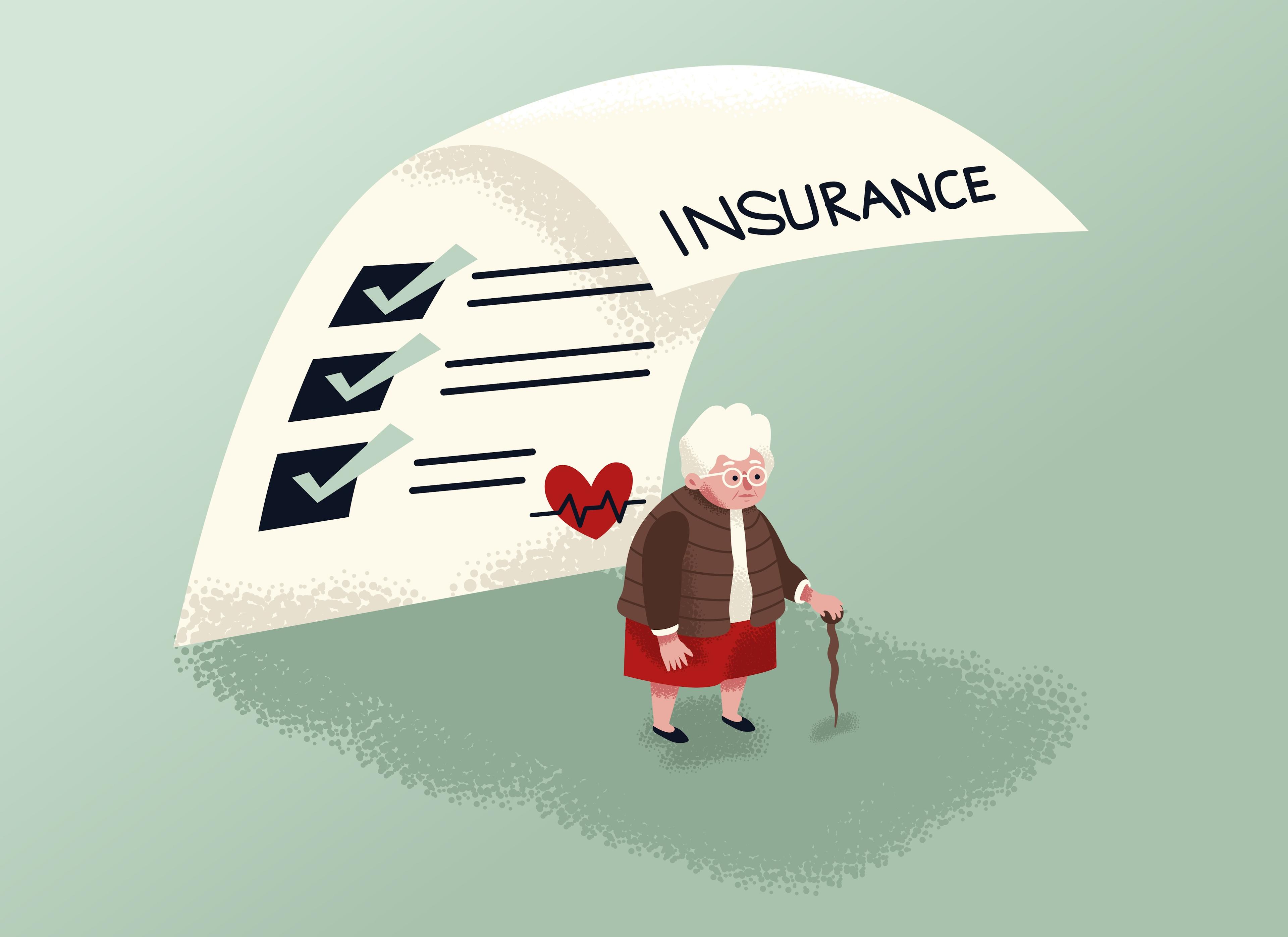
Employers should provide health insurance to employees because it strengthens the organization in ways that go far beyond a simple workplace perk. At its core, health coverage protects people from the financial shock of medical costs, but it also protects the business from the instability that follows when employees feel unsupported, stressed, or forced to make decisions based on fear rather than long-term commitment. When a company invests in employee health, it builds a more reliable workforce, improves performance, and creates an environment where talent is more likely to join, stay, and grow.
One of the clearest reasons health insurance matters is its role in attracting strong candidates. Job seekers rarely judge an offer by salary alone. They consider total compensation, and health coverage is often one of the most decisive components because it addresses real risks in everyday life. Even employees who are young and generally healthy understand that a single accident or unexpected illness can lead to debt, delayed life plans, and long-term financial strain. When an employer offers coverage, the offer feels more stable and more credible, which can help the company compete for talent without relying solely on higher base pay.
Health insurance is also a powerful retention tool. Turnover is expensive, and it costs more than most employers realize. When employees leave, the business loses productivity, institutional knowledge, and team momentum. Managers spend time recruiting and training rather than building strategy and improving results. Meanwhile, morale can suffer among remaining employees when they see frequent departures and wonder whether they should look elsewhere too. A well-designed health plan reduces the pressure employees feel to change jobs simply to protect their families or secure better coverage. It becomes an anchor that encourages employees to build a future with the organization rather than treating the role as temporary.
Beyond hiring and retention, health coverage supports daily performance by reducing both absenteeism and the less visible problem of presenteeism. When employees are sick but still come to work because they cannot afford a doctor visit or worry about getting treatment, productivity suffers. They may appear present, but their focus, speed, and decision-making decline. Over time, untreated issues can worsen into more serious conditions, leading to longer absences and higher disruption. Insurance encourages employees to seek care earlier, manage chronic conditions consistently, and recover properly, which helps them return to work healthier and more effective.
Mental health has become an equally important part of the workplace health equation. Stress, anxiety, and burnout do not stay neatly outside office hours. They affect communication, problem-solving, energy, and collaboration. If insurance includes access to counseling and mental health support, employees have a better chance of addressing issues before they grow into crises that require extended leave or result in resignation. For employers, this translates into a more stable team and fewer sudden productivity drops. For employees, it creates a sense that the company understands health as a whole, not only as physical symptoms.
Providing health insurance also strengthens trust between employers and employees. A benefits package communicates values more clearly than slogans or mission statements. When employees see that the company is willing to invest in their well-being, it signals respect and long-term intention. That sense of reciprocity makes employees more willing to take ownership, contribute ideas, and stay committed during demanding periods. Trust is not an abstract concept in business. It is a practical force that affects how teams collaborate, how conflicts are handled, and how motivated employees feel when results require extra effort.
Even from a purely financial perspective, the cost of offering insurance needs to be compared with the cost of not offering it. When employees lack adequate coverage, the problems do not disappear. They show up as more sick days, higher stress, more frequent turnover, and delayed care that can eventually lead to emergencies. Those outcomes create disruption that is costly in time, customer satisfaction, and operational continuity. A healthy workforce is typically a more predictable workforce, and predictability is valuable because it supports stable scheduling, reliable delivery, and consistent performance.
Health insurance can also be an efficient way to deliver meaningful compensation. In many cases, group plans provide broader access or better value than what individuals can find on their own. This allows an employer’s contribution to go further, giving employees protection that would otherwise require a much larger out-of-pocket expense. When coverage is strong, it can also ease wage pressure by improving total compensation without forcing employers to constantly increase salaries as the only way to remain competitive. It becomes a strategic investment that supports workforce stability while maintaining a sustainable compensation structure.
Another benefit that often gets overlooked is how health insurance can promote fairness across an organization. Without employer coverage, employees must manage healthcare needs based on personal resources, family support, or financial luck. Over time, that creates unequal outcomes, where some employees can afford preventive care and consistent treatment while others delay care due to cost. This gap can influence attendance, energy levels, and even long-term career progression. Offering coverage helps reduce these disparities, creating a more level foundation where performance is less shaped by hidden life disadvantages.
For employers who want a strong reputation, health insurance also plays a role in brand perception. Candidates talk to each other, employees share experiences, and word travels quickly. A company that offers real support is seen as more mature, stable, and trustworthy. This reputation can improve recruitment, strengthen employee referrals, and enhance credibility with customers and partners. It signals that the business is planning for longevity rather than operating in a short-term mindset where employees are treated as replaceable.
Small employers may worry that they cannot afford to offer coverage, but health insurance does not have to follow a single rigid model. Many organizations choose contribution structures and plan designs that fit their budget while still offering meaningful protection. What matters most is not copying the benefits of a large corporation, but building a plan that employees can actually use. A health benefit that is confusing or difficult to access can create frustration instead of loyalty. Clear communication and benefits education also matter, because when employees understand how to use their coverage properly, they are more likely to use preventive care and make better plan decisions, which supports healthier outcomes and can help manage long-term costs.
Ultimately, employers should provide health insurance because it strengthens the workforce and the business at the same time. It attracts talent, reduces turnover, supports healthier and more productive employees, and builds trust that improves engagement and loyalty. It also protects employees from financial hardship that can derail their lives and distract them from their work. Health coverage is not only an expense on a spreadsheet. It is a foundation that helps employees thrive and helps the organization operate with stability, resilience, and long-term competitiveness.
 WhatsApp
 Instagram
 Threads