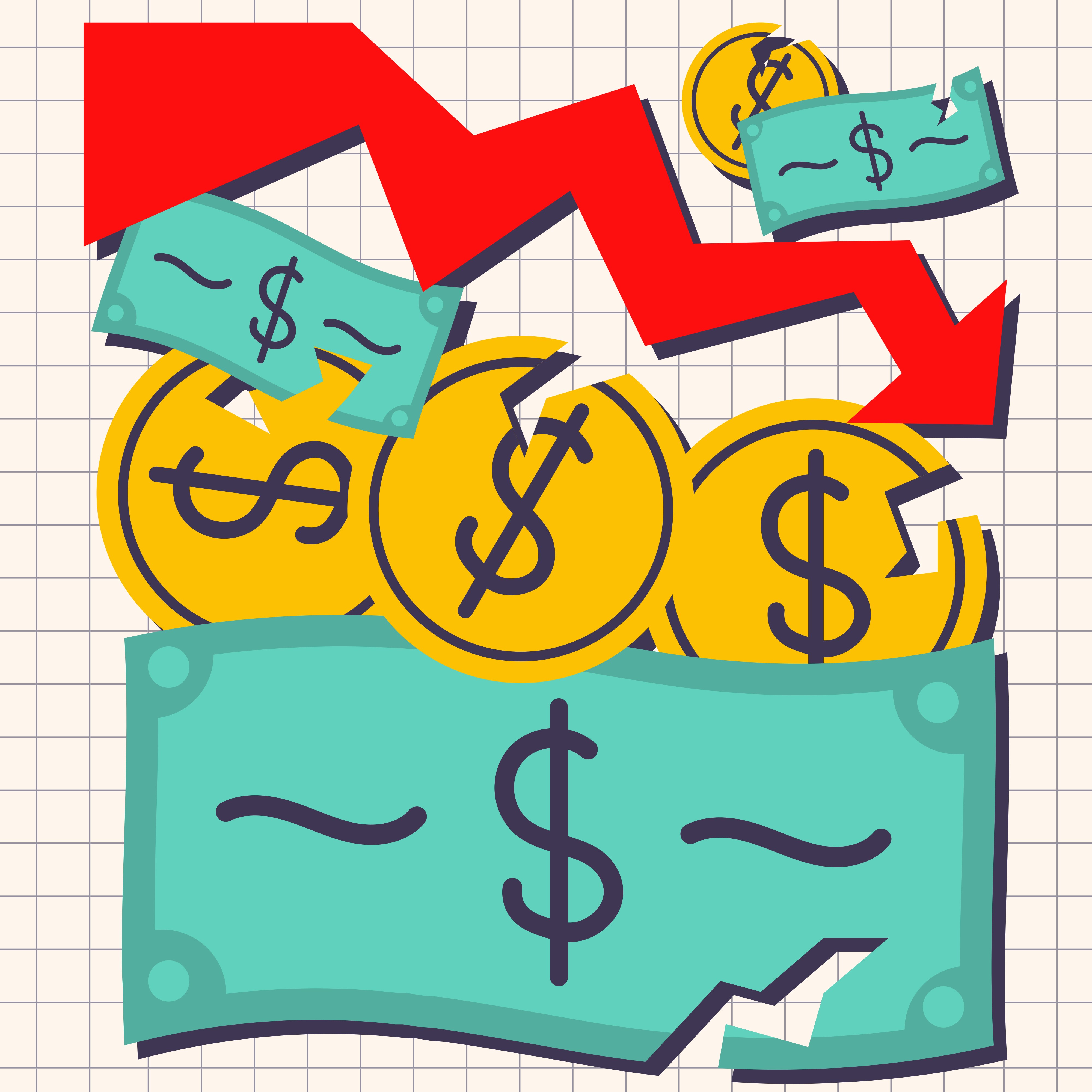
Compound interest matters so much for young investors because it turns time into an asset. When you are in your twenties or early thirties, you may not have a large salary or a big lump sum to invest, but you do have something older investors cannot easily replace. You have years. Those years give your money more chances to grow, and that is what makes compounding so powerful. It is not about getting rich quickly. It is about making long-term goals sturdier and giving your financial plan more ways to succeed even when life gets unpredictable.
At its core, compound interest is simply growth that builds on itself. In the early stages, your returns are earned on the original amount you put in. As time passes, the returns you earn also start earning returns. That creates a snowball effect, not because anything magical happens, but because the base keeps getting larger. The longer the money stays invested, the more noticeable this effect becomes. Many young investors underestimate this because the early gains can look small in dollar terms. A five percent return on a small portfolio does not feel life-changing. Yet those early years matter most because they are the foundation years. The returns may be modest at first, but they are building a base that has decades to expand.
This is why starting early often beats investing more later. People commonly assume they will invest seriously once they earn more. The problem with that thinking is that it treats time as something you can replace with larger contributions in the future. In reality, time is the one variable you cannot buy back. An investor who starts earlier can often end up ahead of someone who starts later, even if the late starter contributes more each month. The early investor’s money has simply had more years to multiply. In the long run, those extra years can matter more than the size of your first paycheck.
Compound interest also changes what good investing behavior looks like. It rewards consistency more than intensity. Young investors do not need to make perfect market calls or chase the latest trend to benefit from compounding. What they need is a repeatable habit. A modest amount invested regularly can be more effective than sporadic large deposits because compounding works best when it has continuous fuel. Regular investing also helps you avoid the trap of trying to time the market. Instead of making one big decision that you might regret later, you spread your investing across many months and many market conditions.
The biggest threat to compounding is not market volatility. It is interruption. Compounding only works if your money stays invested and keeps accumulating over time. When people panic during downturns and sell, or when they constantly switch strategies based on headlines, they create breaks in the compounding process. The same problem happens when fees quietly chip away at returns year after year. Fees compound too, just in the wrong direction. A small annual fee difference may seem insignificant when you are young, but over decades it can reduce your final balance by a surprising amount. That is why long-term investing is not just about picking investments, it is also about protecting your returns from unnecessary leakage.
Inflation adds another reason compounding matters. Prices rise over time, which means that money sitting idle slowly loses purchasing power. Investing gives your money a chance to grow faster than inflation, and compounding amplifies that advantage over long periods. This is also why it is important for young adults to understand the difference between saving and investing. Savings are essential for short-term stability and emergencies, but investing is what helps you build long-term purchasing power. Compound growth is what makes that long-term effort meaningful, because it allows your gains to build on one another rather than starting over each year.
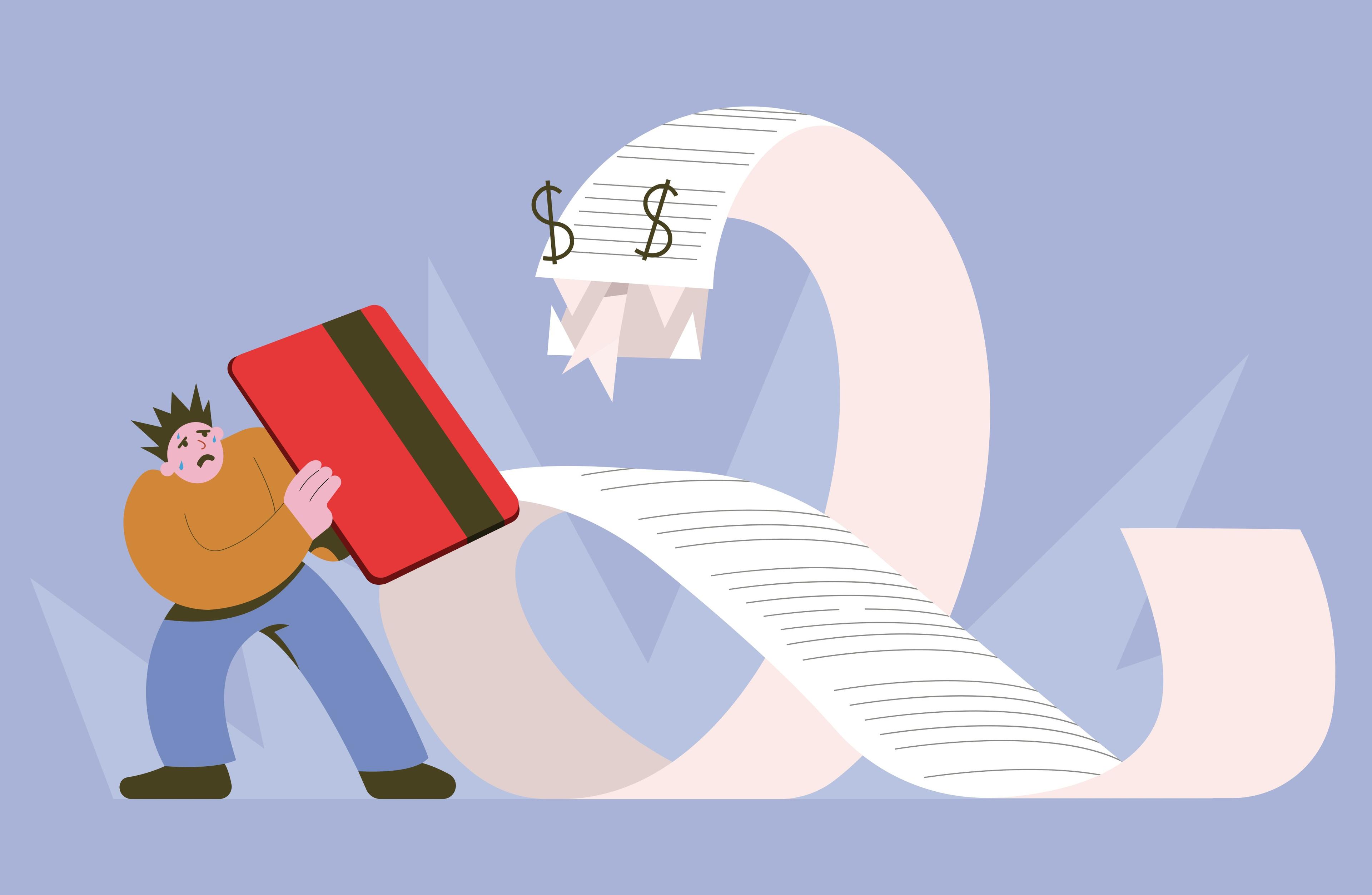
There is also a more serious lesson hidden inside the idea of compounding. It can work against you as easily as it can work for you. High-interest debt is the clearest example. Credit card balances can grow rapidly because the interest rates are high and the interest compounds. A young person who carries debt for years may feel like they are paying constantly without making progress, because so much of the payment is absorbed by interest rather than reducing the principal. In a similar way, missed investing years have a compounding cost. If you delay investing for too long, you are not only missing out on returns, you are missing out on the years those returns could have continued compounding.
For young investors, compounding is not just a math concept. It is a way to make financial planning more realistic. Instead of focusing only on how much you can invest right now, you can focus on building a base early and letting time do more of the heavy lifting later. This mindset creates flexibility. A strong early foundation can give you breathing room during future life events such as job changes, family responsibilities, or periods when you cannot contribute as much. It reduces the pressure to always be at peak earning and peak saving mode because you have already set a process in motion.
Perhaps the most overlooked benefit of compound interest is that it encourages a calm, sustainable approach to money. When you invest regularly and allow compounding to work, you do not need to make constant decisions. You are not forced to react to every news cycle or market movement. That kind of structure matters, especially for young adults balancing career growth, rising living costs, and changing responsibilities. A plan built on compounding becomes less about daily effort and more about long-term consistency.
Ultimately, compound interest matters so much for young investors because it rewards what they have the most of: time. It turns small, ordinary steps into something meaningful when repeated over many years. It makes long-term wealth less dependent on luck and more dependent on staying invested, keeping costs low, and avoiding the kinds of interruptions that break the compounding chain. When you understand that, investing stops feeling like a complicated game. It becomes a simple commitment to letting time work in your favor.
 WhatsApp
 Instagram
 Threads







-1.jpg&w=3840&q=75)