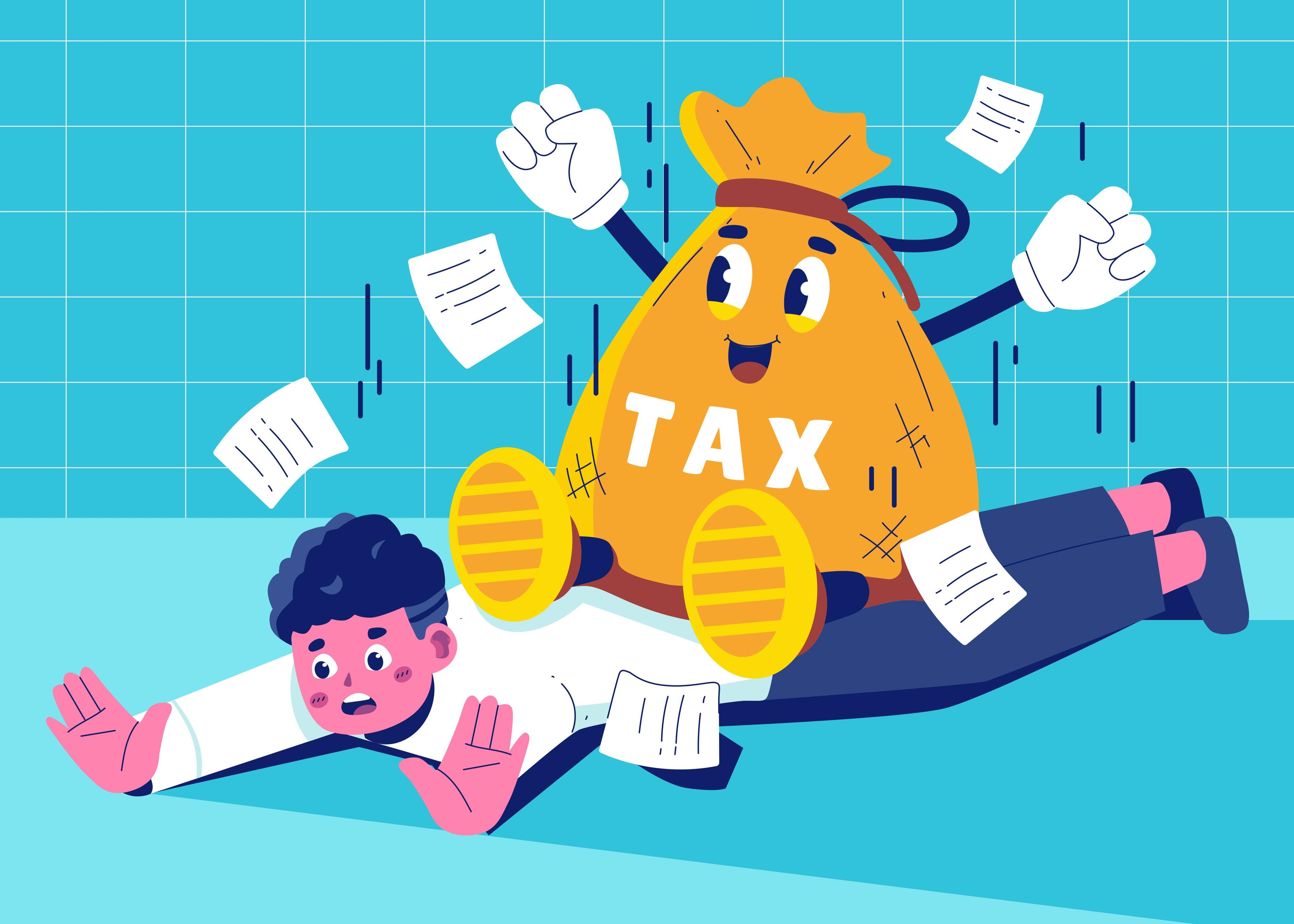
Out-of-pocket expenses matter in financial planning because they are the costs that reach your bank account first. They are not theoretical, and they are not something you can postpone until you feel ready. When a bill has to be paid upfront, or when you have to cover a deductible before insurance helps, the impact is immediate. That immediacy is what makes these expenses so important. Many people build plans that look excellent on paper, with tidy budgets and consistent investing, only to watch the plan wobble the moment life produces a surprise payment. The issue is rarely a lack of motivation. It is more often that the plan was built around averages while real life arrives in spikes.
Financial planning depends on steady cash flow, and out-of-pocket expenses are one of the main reasons cash flow stops behaving. Even if a cost is affordable across a year, it may not be affordable this week. A medical visit, a dental procedure, a car repair, or an unexpected school-related payment can land at the worst possible moment, such as right after rent or during a month filled with social obligations. The timing forces you into tradeoffs. People often respond by carrying a credit card balance, delaying other bills and paying fees, pausing investing “temporarily,” or dipping into savings that were meant to protect longer-term goals. In many cases, the out-of-pocket expense itself is not the most damaging part. The ripple effects are. A single surprise bill can trigger a chain reaction that makes the rest of the month more expensive and the next month harder to stabilize.
This is also why it is risky to assume insurance automatically removes financial stress. Insurance is not a magic shield. It is a cost-sharing system with rules, and those rules shape how much you pay yourself before any benefits kick in. Deductibles, copays, coinsurance, exclusions, and claim processes all determine the portion that becomes your problem first. If you choose a plan with a high deductible to lower monthly premiums, you are making a trade. You are essentially agreeing to self-fund the first chunk of a bad moment. That can be a smart decision when your savings can absorb it without drama, but it becomes a trap when the savings are not actually there. The same principle applies beyond healthcare. Auto insurance deductibles, home insurance coverage gaps, warranties with strict conditions, and travel insurance fine print can all create situations where you are “covered” but still paying a large amount out of pocket before the system helps.
The deeper problem is that out-of-pocket costs do not just reduce your money. They interrupt momentum, and momentum is one of the most valuable forces in personal finance. A financial plan works best when you can follow it consistently, month after month, with as few disruptions as possible. Once you start stopping and starting, it becomes harder to recover than most people expect. You pause investing, then struggle to restart. You postpone preventative care, then face a more expensive problem later. You delay replacing something essential, then it fails at the worst time. Stress rises, sleep drops, and decision-making becomes more impulsive. Over time, the plan turns into a set of intentions rather than a system that reliably moves you forward.
Most people assume the biggest threats come from dramatic emergencies, but the quieter danger is often the steady stream of smaller out-of-pocket hits. These are not the once-a-decade disasters. They are the $60, $120, $250, and $400 expenses that show up across the year and make you feel like you can never get ahead. The problem with these smaller costs is that they are easy to dismiss. Each one seems manageable, and each one feels like an exception. But together, they form a predictable pattern of “mini shocks” that repeatedly strain your monthly budget. You might not know the exact day your laptop will need repairs, but you can assume that tech costs will appear over time. You might not know when you will need a clinic visit, but healthcare rarely stays at zero forever. You might not know when a family obligation will demand money, but you can assume it will happen. Planning becomes more realistic when you stop treating these categories as random and start treating them as part of the normal rhythm of life.
A useful way to make sense of out-of-pocket expenses is to recognize that expenses come in different shapes. Some costs are regular and predictable, like rent, utilities, and subscriptions. Other costs are lumpy, meaning you can predict the category but not the timing, such as annual fees, travel changes, car maintenance, and occasional healthcare needs. Then there are truly catastrophic costs that can seriously disrupt your finances without protection, such as major hospitalization, a significant accident, or a crisis that triggers lost income. This distinction matters because each type needs a different strategy. If you treat lumpy expenses like catastrophes, you end up feeling anxious about normal life. If you treat catastrophes like lumpy expenses, you may underprepare and rely too much on luck.
This is where out-of-pocket expenses become a practical tool rather than just a nuisance. If you take them seriously, you design your plan to make surprise costs annoying instead of dangerous. The first step is visibility. When people underestimate their out-of-pocket spending, it is often because they remember only the biggest bill and forget the smaller ones that quietly added up. Tracking is not about obsessing. It is about understanding your baseline so you can plan based on your real behavior and real costs.
The next step is building a buffer that matches the way these costs actually arrive. Many people keep all cash in one place, then hope the checking account can handle everything. That approach works until it does not. A separate cushion for lumpy, out-of-pocket costs can keep your daily spending stable and protect your ability to follow through on goals. This cushion is not the same as retirement savings, and it is not exactly the same as a deep emergency fund intended for major crises. It is a practical layer of protection that helps you handle normal disruptions without borrowing or derailing your plan.
Once you have that cushion, insurance choices also become clearer. Instead of picking a deductible because it lowers premiums, you choose a deductible that your system can actually handle. A higher deductible is not automatically bad, but it requires liquidity. If you cannot comfortably cover the deductible without stress, then the cheaper premium is a false bargain because it purchases volatility. When deductibles and buffers align, you gain flexibility and peace of mind. Your plan becomes less reactive and more stable.
Technology and automation can help, but they do not solve timing risk on their own. Auto-investing is powerful, yet it can be undermined if out-of-pocket expenses repeatedly force you to pause contributions or pull cash from other priorities. In that sense, managing out-of-pocket costs is not separate from investing. It supports investing by keeping you consistent. It also reduces the chance that you turn ordinary life costs into long-term debt. Many people fall into “lifestyle debt” not because they are splurging, but because they keep financing necessary expenses through credit cards or installment plans since they never built the buffer to absorb normal shocks. If out-of-pocket expenses repeatedly become balances you carry, that is a signal your plan is underbuilt for the life you are living.
In the end, out-of-pocket expenses matter in financial planning because they reveal whether your plan is realistic. They stress-test your cash flow, your insurance decisions, your savings structure, and your ability to stay consistent. A strong plan is not the one with the prettiest projection. It is the one that survives a cracked screen, a clinic visit, a car repair, and a sudden obligation without forcing you into expensive decisions. Planning for out-of-pocket expenses is not glamorous, but it is the kind of boring discipline that makes everything else possible. When you treat predictable “surprises” as part of the system, your financial plan stops collapsing every time life behaves like life.
 WhatsApp
 Instagram
 Threads