Using a card to pay for coffee or groceries feels like a small, personal decision, but when millions of people do the same thing every day, card use becomes an economic force. It changes how quickly money moves, how businesses price their goods, how banks extend credit, and how governments measure activity and collect revenue. The impact is not just about convenience at the checkout counter. It is about how an entire system responds when payments become faster, more traceable, and more tightly connected to credit.
The first way card use shapes the economy is by changing the timing of spending. Cash creates natural friction. You need to have it on hand, you notice it leaving your wallet, and you often think twice before handing it over. Cards reduce that friction. A tap takes seconds, and the pain of payment feels smaller because the money does not visibly disappear in the moment. This does not mean card users are careless by default, but it does mean spending can happen earlier and more frequently. When enough people shift from cash to cards, that smoother payment experience can lift consumption in the short run, especially in sectors where small, frequent transactions dominate daily life.
Timing matters because the economy is sensitive not only to how much people spend, but also to when they spend. A purchase made today rather than next week supports today’s sales figures, today’s staffing needs, and today’s restocking orders. Retailers, logistics firms, and suppliers all respond to demand signals. When card payments make those signals show up quickly, businesses can react faster. That can make the economy feel more responsive, but it can also make spending patterns more volatile. If confidence drops or credit conditions tighten, card spending can slow rapidly, and the same real-time visibility that helped businesses scale up can force them to scale down.
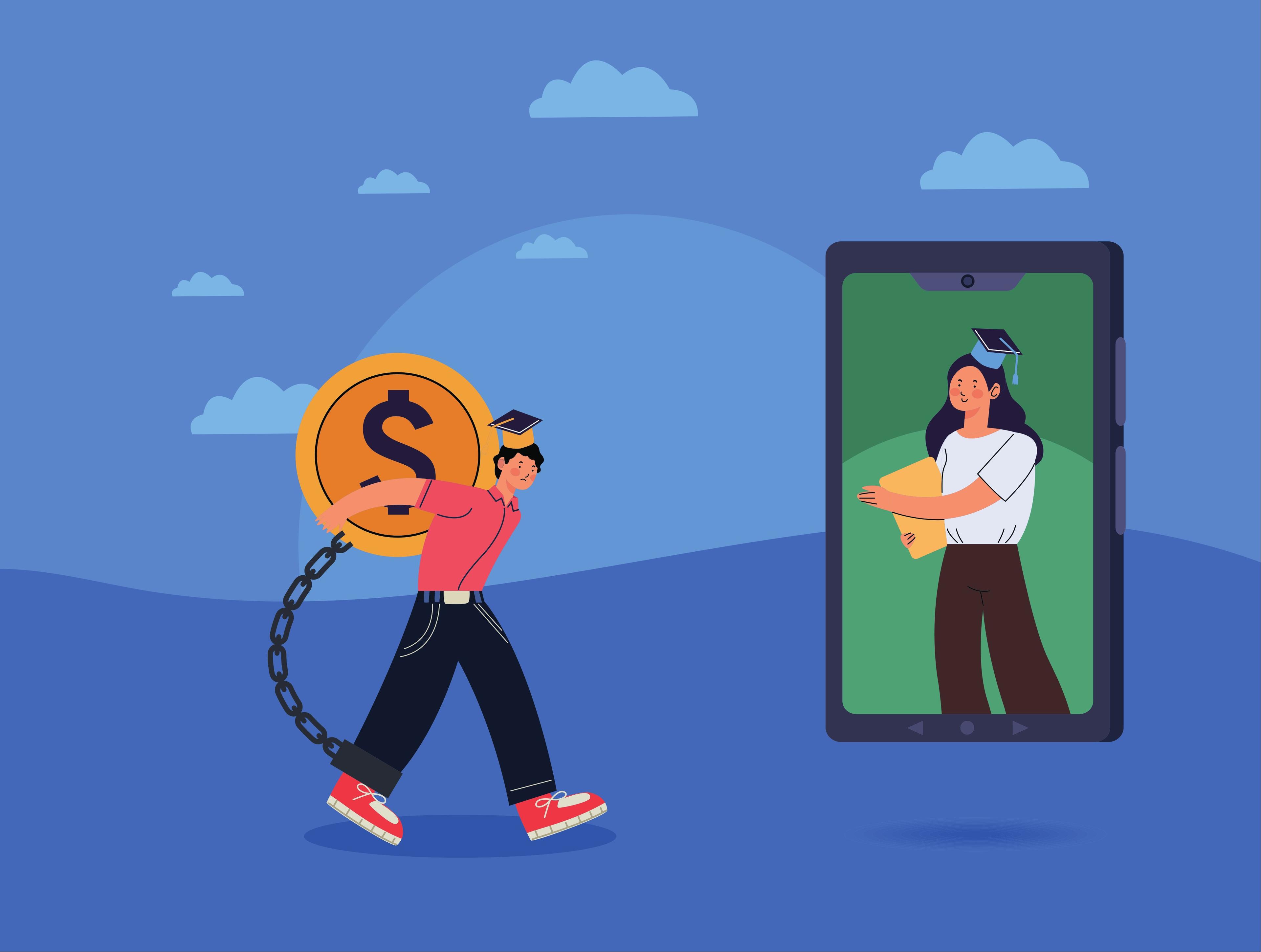
Credit cards add a second layer to the timing effect because they do not just speed up payments, they pull future purchasing power into the present. Used responsibly, that can help households manage uneven cash flow. A surprise car repair or a medical bill does not always align with payday, and a card can bridge that gap. But on an economy-wide level, credit cards also enlarge the role of borrowing in everyday consumption. When credit is widely available and consumers feel optimistic, spending can stay strong even if incomes are not rising at the same pace. When interest rates rise or lenders become cautious, that support can weaken, and households with revolving balances may cut back more sharply because repayments and interest take priority.
This is where card use begins to influence economic cycles. In an expansion, easy credit and frequent card spending can reinforce growth. In a slowdown, higher borrowing costs and tighter limits can reinforce caution. The same mechanism that makes a card feel helpful on a personal level can amplify booms and busts when viewed across an entire country. That does not make cards a villain. It simply means credit is powerful, and powerful tools change outcomes depending on how they are used and how the broader environment shifts.
The second major economic impact of card use sits with businesses, and it often shows up in the quiet background of pricing. Card payments are not free for merchants. Accepting cards typically comes with processing fees and other charges that vary by provider and card type. Businesses can absorb those costs, but many operate on thin margins, especially in food, retail, and personal services. Over time, payment costs tend to get baked into pricing decisions. Even if a merchant never adds an explicit surcharge, the economics of acceptance can still shape the final price you see on the shelf.
That is why card-heavy economies can develop a subtle cost layer. Consumers enjoy convenience and sometimes rewards, but merchants pay to accept those transactions, and those expenses often flow through to the broader market. In competitive industries, businesses might not be able to pass all costs on, which can compress profits. In less competitive industries, prices can rise more easily, spreading the cost across a wider base of customers, including those who pay with cash. The end result is that card payment systems can create redistribution effects: people who maximize rewards and pay their balances in full may benefit more, while others may shoulder costs indirectly through pricing or directly through interest.
This is also why rewards are never truly “free” in the way they appear on marketing posters. Rewards are funded by a mix of merchant fees, interest paid by cardholders who revolve balances, and the strategic pricing decisions of banks competing for customers. The economy-wide effect is that payment systems can change who subsidizes whom. If you are a disciplined card user, you can use rewards as a small rebate on spending you would do anyway. If you are not, rewards can become a distraction that encourages spending patterns that cost more than the benefits you earn. And from the economy’s perspective, a rewards culture can increase transaction volume, strengthen the power of established payment networks, and encourage more spending to flow through credit channels rather than through simpler debit or cash rails.
Another business-facing impact of card use is cash flow timing. For many small businesses, the difference between immediate payment and delayed settlement is not a technical detail, it is survival. Rent and wages do not wait for settlement cycles. When money arrives a day or two later, a business may rely on short-term financing, maintain larger buffers, or negotiate different terms with suppliers. Card adoption can therefore shape working capital dynamics across entire sectors, particularly among microbusinesses and independent retailers who already operate with limited flexibility.
As new payment rails develop, including instant account-to-account transfers in some markets, merchants may find alternatives that reduce fees or speed up settlement. When those alternatives scale, they can shift bargaining power and push card providers to adjust pricing, benefits, and merchant terms. This is one reason payment innovation is not just about shiny new apps. It can influence the everyday economics of running a business, which then influences hiring, investment, and the ability of smaller players to compete.
The third impact of card use is visibility, and this is where payments become closely tied to governance and public finance. Cash transactions are harder to track. Card transactions leave records. When a larger share of spending runs through digital channels, economic activity becomes more legible. Businesses can keep cleaner books, banks can assess credit risk with more data, and governments can reduce leakage in tax collection. That shift can shrink parts of the informal economy that rely on purely cash-based activity.
This does not mean a digital economy automatically becomes fair or inclusive. There are real concerns around access, privacy, fees, and the risk of excluding people who are unbanked or less digitally connected. But in many countries, the move toward card and digital payments has been tied to efforts to improve compliance and bring more activity into the formal system. When revenue collection becomes more efficient, governments may have more room to fund public services, invest in infrastructure, or design targeted support. In that sense, the simple decision to pay digitally can have downstream effects on fiscal capacity and on how policy is designed and enforced.
Visibility also affects how the economy is measured. When payments move through trackable channels, economists and policymakers can read demand more quickly. This can help central banks and ministries respond faster to slowdowns or overheating. It can also make the economy feel more sensitive because shifts show up in data sooner. A card-first society is not only paying differently, it is reporting differently, and that changes how institutions interpret what is happening on the ground.
The fourth impact of card use is the way it reshapes credit access through data. Cards produce transaction histories that tell a story about spending patterns, stability, and capacity. For people with limited formal credit histories, these records can become a bridge into the financial system. That can be a genuine advantage when it helps responsible borrowers access fair credit, build resilience, or finance productive needs such as education or small business equipment.
At the same time, data can intensify competition among lenders. When financial institutions can model behavior more precisely, they can market more aggressively, raise limits faster, and segment consumers into profitability categories. During good times, that can expand spending and keep the economy humming. During stressful times, it can lead to sharp tightening. Limits can be cut, offers can vanish, and households that leaned too heavily on revolving credit can suddenly feel trapped. In other words, card data can improve risk management, but it can also make credit conditions change more quickly, which then flows into spending and broader economic momentum. When you combine these channels, you can see why card use is not a neutral habit. It influences consumption timing, business pricing, cash flow resilience, tax visibility, and credit expansion. Those forces feed into inflation dynamics, growth patterns, and even inequality. They also feed back into your daily life in ways that are easy to miss.
You see the feedback loop in the small moments. A café introduces a minimum spend for card use because fees matter. A retailer quietly raises prices rather than adding a surcharge because it is easier to manage customer reactions that way. A bank reduces rewards because the economics of funding those benefits changed. A government encourages digital payments because it improves traceability and reduces leakage. None of these events happens because of one person’s card tap, but every tap contributes to the environment that makes those choices rational for businesses and institutions.
You also feel the feedback loop through interest rates and financial stress. When borrowing costs rise, people who carry balances pay more, and that reduces their future spending power. As more households divert income toward interest, consumption can cool, and businesses may adjust hiring or expansion plans. The economy then slows, lenders tighten, and the cycle reinforces itself. This is why personal card behavior, while small in isolation, becomes meaningful when the same patterns repeat across millions of households.
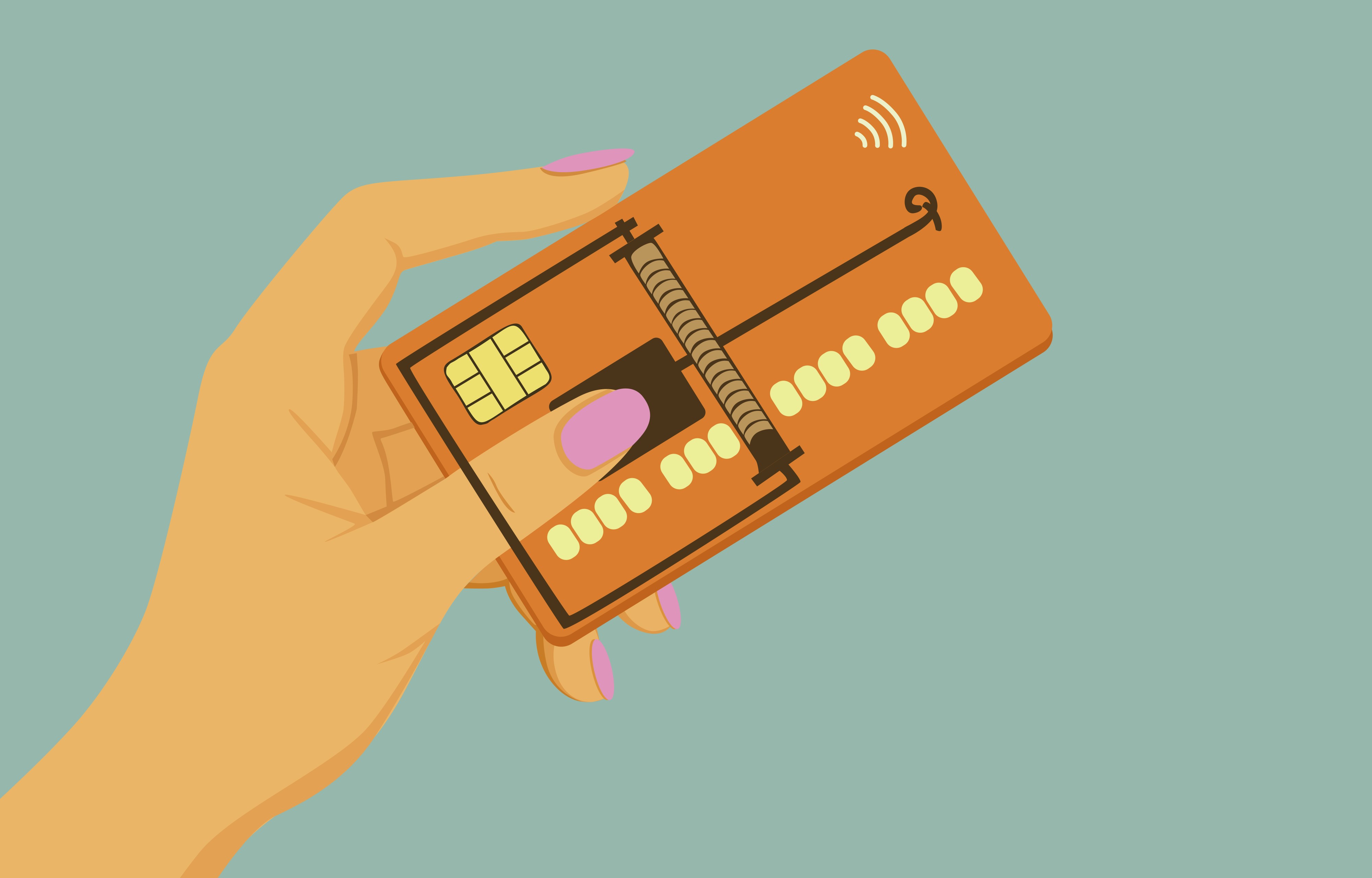
The practical takeaway is not that you should stop using cards. It is that you should decide what role you want your card to play. If your card is a convenience tool, it works best when you treat it like a digital wallet and pay it off fully, on time, every cycle. That approach gives you the benefits of record-keeping, fraud protection, and smoother payments without turning your household into a fragile credit engine. If your card is a short-term flexibility tool, it works best when you have a plan for repayment that does not depend on optimism. Flexibility should be paired with structure, not hope. If your card is a rewards tool, it works best when rewards are a bonus on spending that already matches your priorities, rather than a reason to spend more.
In the end, card use affects the economy because payments are not just a method, they are an infrastructure. Infrastructure shapes behavior, and behavior shapes outcomes. The more an economy relies on cards, the more it relies on networks, cybersecurity, system uptime, and the business models that fund payment rails. That reliance can improve efficiency and reduce friction, but it also creates dependencies and tradeoffs that show up in prices, policy, and access. The most grounded way to think about it is simple: every card transaction is a tiny signal. It tells businesses what is selling, tells banks how people are behaving, and tells policymakers what activity looks like in real time. When enough signals move in the same direction, the economy shifts. Your job is not to control that shift, but to understand it well enough to protect your own financial stability inside it. When you use cards intentionally, you benefit from the system without becoming its most vulnerable participant.
 WhatsApp
 Instagram
 Threads
.jpg&w=3840&q=75)