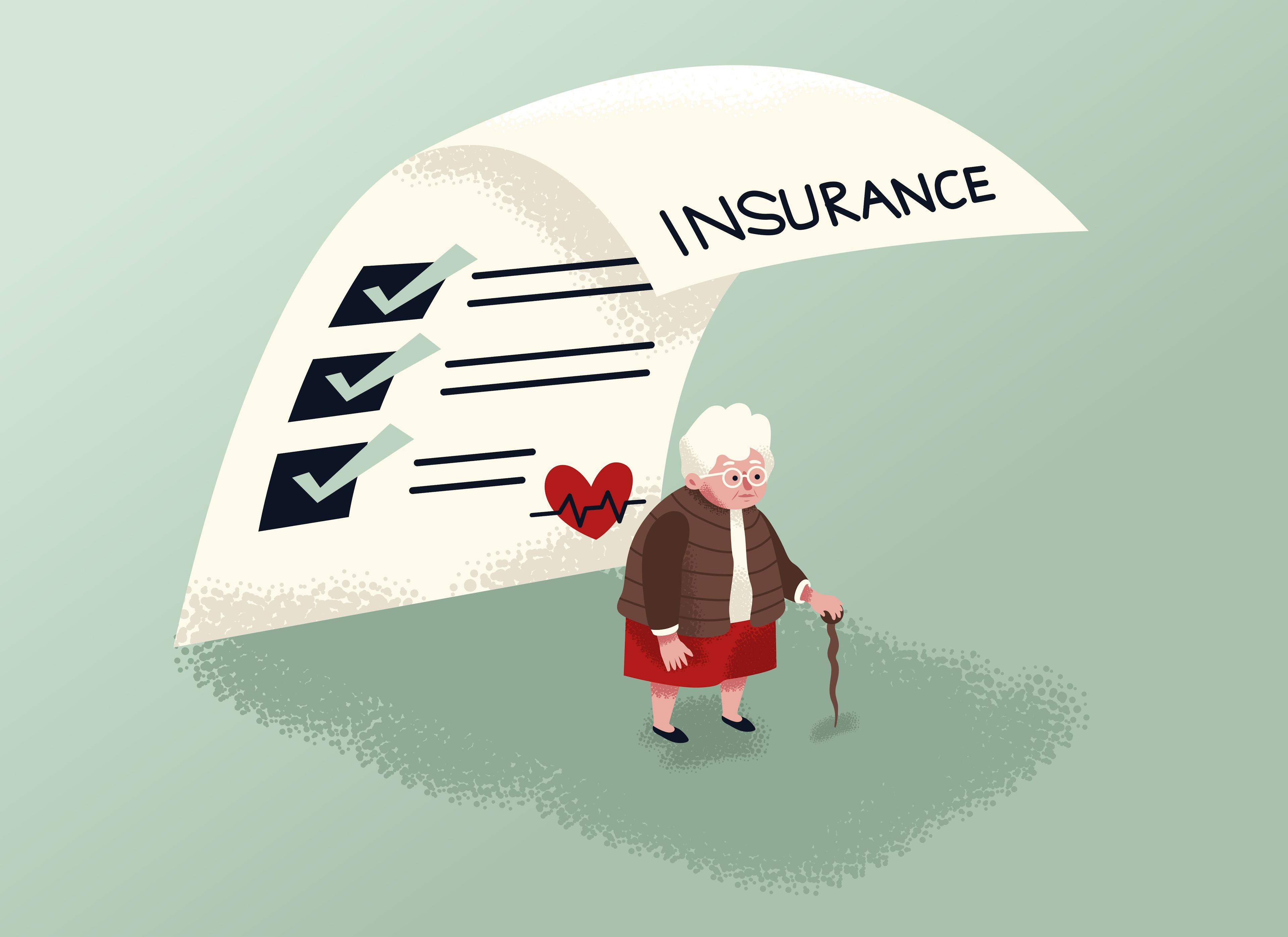
In the UK, the phrase “health insurance” can be slightly misleading if you are coming from a country where insurance is designed to pay for almost every interaction with the healthcare system. For most people in Britain, “health insurance” usually refers to private medical insurance, often shortened to PMI. It is not primarily meant to replace the NHS. Instead, it is meant to sit alongside it, offering an alternative route for certain kinds of care, especially when speed, appointment choice, and access to private hospitals matter. Understanding what this kind of insurance typically covers, and what it usually excludes, is the difference between buying a policy that genuinely supports your priorities and paying for something that looks reassuring on paper but disappoints when you need it most.
The simplest way to understand UK private medical insurance is to see it as cover that pays for eligible private diagnosis and treatment, usually for conditions considered “acute.” In everyday terms, acute means something that can be investigated, treated, and brought to a stable conclusion. That design focus shapes almost everything about typical coverage. It explains why many policies are strong when you need a scan, a specialist consultation, or a planned procedure, and why they are often limited when a condition becomes long-term, recurring, or part of everyday management. In other words, PMI in the UK is often more about accessing a faster and smoother care pathway for treatable problems than it is about funding lifelong medical needs.
Most policies begin with the hospital piece because that is where costs can rise quickly. Inpatient cover, which generally means you are admitted to hospital and stay at least one night, is commonly a core benefit. Day-patient or day-case cover is also usually included, meaning you undergo a planned procedure that requires a hospital bed and facilities but you return home the same day. For many buyers, this is the backbone of the product. If something progresses from symptoms to a diagnosis and a procedure is needed, this part of the policy is the section that can absorb the expensive hospital bill and allow you to choose a private hospital from the insurer’s approved network. For people who value certainty around larger healthcare costs and want options for planned surgery, inpatient and day-patient treatment is often the heart of what “health insurance” covers in the UK.
Where the picture becomes more nuanced is outpatient care. Outpatient is the large category that includes consultations with specialists, diagnostic tests, and follow-up appointments that do not involve an overnight stay. This is the phase where many real-life healthcare journeys spend most of their time, especially in the early stages. Think about how common it is to start with a GP visit, then a referral, then a specialist assessment, then blood tests or imaging, then a review of results, and only then a treatment plan. In the UK market, outpatient cover is frequently tiered. Some plans include it with a limit, some make it optional, and some restrict it more heavily in their lower-cost versions. That means two policies can both describe themselves as health insurance, yet feel dramatically different when you actually try to use them. If outpatient benefits are capped or narrow, you may still face meaningful out-of-pocket costs for diagnosis even if the policy would pay for surgery later.
Diagnostic tests are usually a central part of the value proposition, but they are not always unlimited. Many insurers will cover tests that are ordered by an eligible specialist and carried out within an approved hospital or clinic network. The conditions attached to this are important. Insurers tend to care about the pathway. They may require referrals from your GP, they may require you to choose consultants from a list, and they often require pre-authorization before tests or treatment proceed. In practice, this means that PMI often pays well when you follow the insurer’s process, and pays poorly, or not at all, when you go off route. People sometimes learn this the hard way when they book privately first, then expect the insurer to reimburse them afterward. UK private medical insurance is usually designed to be used as a guided pathway rather than as a simple reimbursement account.
Cancer care is often included within comprehensive PMI, but it is best understood as a set of connected benefits rather than a single checkbox. A cancer journey may involve outpatient consultations, diagnostic testing, inpatient treatment, day-case surgery, chemotherapy, radiotherapy, and ongoing monitoring. Policies can differ in how wide and generous their cancer pathway is, particularly around outpatient diagnostics, access to drugs, and follow-up care. Many consumers focus on whether cancer is “covered,” but the better question is how the policy supports the full sequence of care, and whether the limits that apply to outpatient treatment affect the experience. For buyers whose main fear is the cost and disruption of a serious diagnosis, reading the cancer section carefully is not optional. It is the only way to know what the insurer is actually promising.
Mental health cover exists in the UK PMI market, but it is often defined by limits. Some policies include a set number of outpatient therapy sessions or apply a monetary cap. Others include inpatient psychiatric treatment under strict criteria. Many will still exclude chronic or long-term mental health conditions, and pre-existing mental health issues can be handled in the same way as physical pre-existing conditions, depending on the underwriting approach. If mental health support is a key reason you are considering insurance, it helps to focus less on broad marketing statements and more on the practical questions: what type of care is included, how many sessions, what is the annual limit, do you need a referral, and what counts as eligible treatment. Mental health benefits can be meaningful, but they are rarely unlimited.
Therapies such as physiotherapy, occupational therapy, and sometimes speech therapy are also commonly discussed. Many policies offer some level of cover, particularly when the therapy is part of recovery from an eligible acute condition. Yet here too, limits can be the deciding factor. Some plans cover only a set number of sessions, some require specialist referral, and some require that the treatment takes place in a facility within the insurer’s network. If you already know you rely on recurring physiotherapy, you should pay special attention to how the insurer defines chronic issues and whether repeated therapy for the same underlying problem becomes ineligible over time. This is one of the most common areas where expectations drift away from how policies are structured.
After understanding what is commonly covered, the more financially important part of the conversation is often what is not covered. The largest exclusions, and the ones that shape the real value of PMI, are pre-existing conditions and chronic conditions. In broad terms, insurers usually do not want to pay for medical issues you already had before the policy began, and they usually do not want to pay indefinitely for long-term conditions that require ongoing management rather than a clear course of treatment leading to resolution. This is why PMI can be excellent for a new knee injury that needs an MRI and possibly surgery, but poor for established diabetes, asthma, or other conditions that are managed over years. It is also why people sometimes feel that the product “does not work,” when in reality it is working as designed, focusing on acute treatment rather than long-term care.
The way insurers handle medical history depends on how the policy is underwritten. Some policies are medically underwritten, meaning you disclose your history upfront and the insurer confirms which conditions are excluded. Others use a moratorium structure, which typically excludes conditions you have had symptoms or treatment for within a defined look-back period, and may later cover them if you remain symptom-free for a defined time. The details differ across providers, but the principle is stable: PMI is usually not designed as a way to buy coverage for something you already know you need treated immediately. It is designed to protect against future, unexpected acute problems and to give you options if they arise.
Another frequent misunderstanding is GP care. Many people equate private healthcare with private GP visits, but traditional PMI is not primarily a primary care product. It generally focuses on specialist-led pathways. Some policies include digital GP services as a feature, and some employers provide plans that make access to private GPs easier, but most classic PMI policies do not behave like a subscription for routine doctor visits. For budgeting purposes, it is safer to assume you will still use your NHS GP for first contact and referral, unless your policy explicitly includes private GP benefits and you understand how to access them.
Emergency care is also not the main purpose of UK health insurance. If you have symptoms that require immediate attention, the NHS emergency route is still the standard pathway. Private hospitals in the UK typically do not operate like full emergency departments in the way large NHS hospitals do. Many PMI policies are designed around planned care and referral routes rather than emergency presentation. That means PMI can be highly useful for elective or semi-urgent issues that are not life-threatening, but it is not a substitute for emergency healthcare infrastructure.
Pregnancy and childbirth are often excluded from standard PMI policies, as are many routine and preventative services. Cosmetic procedures are typically excluded unless there is a clear medical necessity. Some policies also exclude fertility treatment, and many will place limits around certain types of rehabilitation or long-term nursing care. Dental and optical are also frequently not included in standard PMI, or they may be offered through separate add-ons or entirely separate products, such as health cash plans that reimburse routine expenses up to a fixed cap. If your main concern is the cost of dental care or glasses, PMI may be the wrong tool, and you may get better value from a product specifically designed for routine reimbursement.
This is where the NHS context matters. Many services are free at the point of use in the UK, which changes the role that insurance plays. The pressure points that make private cover attractive are often not catastrophic bills, but waiting times, convenience, and access to private facilities. That can be a rational reason to buy insurance, but it is a different logic than buying insurance to avoid medical bankruptcy. If you are used to thinking of insurance as a way to prevent extreme financial shock, you may need to adjust your expectations. In the UK, PMI often protects your time and your ability to act quickly, and it can protect you from significant private hospital bills if you choose to go private, but it does not usually eliminate all medical costs or cover every kind of health need.
Because of this, the practical question becomes how to match a policy to your real goals. If your primary aim is faster diagnosis, outpatient cover becomes critical. You want to know whether specialist consultations and diagnostics are included, and whether there is an annual cap that might leave you paying out of pocket after a certain point. If your main aim is access to surgery and private inpatient care when needed, a plan that focuses on inpatient and day-patient treatment can still be valuable, particularly if you are comfortable using the NHS for initial investigation. Neither approach is automatically better. They simply serve different priorities, and the right choice depends on what you are trying to solve for.
Excess is another important detail because it changes how a policy behaves in real life. An excess is the amount you pay toward a claim. Higher excess typically lowers premiums, but it also means you may only claim when costs become large enough to justify it. This can be a smart way to keep premiums manageable if you mainly want protection against bigger events, but it can also lead to frustration if you expected the policy to cover frequent smaller outpatient episodes. A policy with a high excess can still be good value if it aligns with your behavior, but it should be a conscious choice rather than an accidental one.
Provider networks are equally practical. Most insurers have a list of approved hospitals and consultants, and the policy may cover less, or nothing, if you choose care outside that network. That affects not just cost, but also convenience, because an excellent policy on paper may be less useful if the nearest covered private hospital is inconveniently located, or if the network does not include the specialists you would want access to. For buyers with employer-provided cover, this is still worth checking, because corporate plans can be generous yet still operate within defined networks.
If you want a clear conclusion, it is this: in the UK, health insurance usually covers private inpatient and day-patient treatment, and it often covers at least some outpatient consultations and diagnostics, depending on the level of the plan. It is commonly structured around acute conditions, meaning problems that can be treated and resolved. It often excludes pre-existing and chronic conditions, and it usually does not operate as a blanket product for routine GP care, emergency care, maternity, dental, or optical unless those are explicitly included as add-ons. Once you accept that structure, you can evaluate policies with far less confusion. The goal is not to find a policy that covers everything, because most do not. The goal is to find a policy that covers the moments where you value speed, choice, and a private pathway, and to ensure the exclusions do not undermine the reason you are buying it in the first place.
When readers ask what health insurance usually covers in the UK, they are often really asking whether it will provide reassurance when something goes wrong. It can, but only when your expectations match the product. A well-chosen PMI policy can create a smoother lane for diagnosis and treatment, reduce delays for elective procedures, and provide access to private facilities when you want them. The best outcome is not merely having insurance, but having the right kind of insurance, one that you understand before you need it, so that when health becomes urgent, your decisions are calm, informed, and financially confident.
 WhatsApp
 Instagram
 Threads
.jpg&w=3840&q=75)



.jpg&w=3840&q=75)