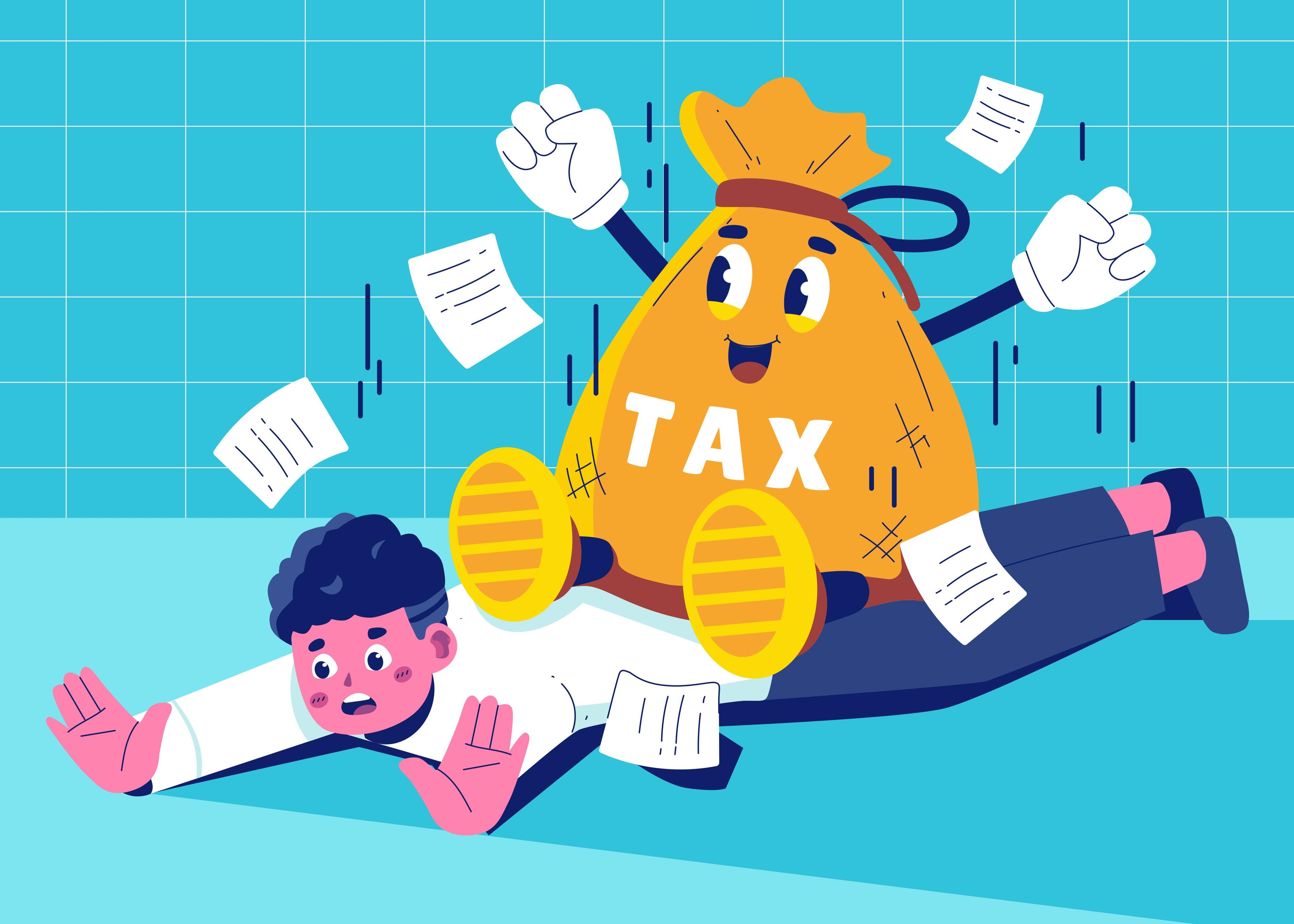
Out-of-pocket expenses are the costs you pay yourself rather than having the full amount covered or reimbursed by an insurer, employer, or another party. They show up whenever there is a gap between what a plan or policy promises and what you must actually pay at the point of use. Many people think of the term mainly in health care, but it applies to everyday money in a much broader way. In any situation where the headline price does not include the full cost, or where reimbursement happens later, the extra amount that comes directly from your wallet is an out-of-pocket expense.
In health care, out-of-pocket expenses are especially important because they can appear even when you are insured. Premiums keep coverage active, but they do not automatically eliminate what you pay when you visit a doctor or receive treatment. Depending on how a plan is structured, you may still pay a copayment for a clinic visit, a deductible before coverage becomes more generous, or a percentage of costs through coinsurance. You may also pay for services that fall outside coverage rules, such as excluded treatments, costs above a coverage limit, or charges from providers that are not within your plan’s network. Even when these payments are predictable, they can still strain cash flow because they occur at moments when you are already dealing with the stress of a health concern.
Outside of health care, out-of-pocket expenses often take the form of smaller charges that are easy to overlook but add up quickly. Travel is a common example. A trip may be planned around airfare and accommodation, yet the real cost rises through baggage fees, transportation, meals, tips, attraction tickets, and roaming charges. Housing creates the same pattern. A renter may budget for monthly rent but still face deposits, moving costs, utility setup charges, and the first-month expenses of furnishing a space. Homeowners, meanwhile, deal with repairs, maintenance, and irregular bills that cannot be neatly scheduled. In each case, the core payment is obvious, but the extra costs appear around it, quietly pulling money away from savings or other goals.
The reason out-of-pocket expenses disrupt budgets is that they tend to be irregular in timing and inconsistent in size. A fixed monthly bill is easier to plan for because it repeats on the same date in the same amount. Out-of-pocket expenses do not behave that way. Some are small but frequent, like convenience fees, delivery charges, or parking payments. Others are large but occasional, such as a car repair, a dental procedure, or replacing a broken laptop. Financial stress often comes not only from how much an expense costs, but also from how unexpectedly it arrives and how quickly you must pay it.
One practical way to understand out-of-pocket expenses is to separate them into baseline costs and shock costs. Baseline out-of-pocket expenses are the extras that occur in a normal month, even when nothing dramatic happens. These might include clinic visits, medication that is not fully covered, commuting top-ups, small household purchases, school activity fees, and routine service charges. Shock out-of-pocket expenses, on the other hand, are the spikes that disrupt a month’s plan, such as major repairs, urgent medical tests, unexpected travel, or a large administrative fee. Baseline costs call for a realistic monthly allocation, while shock costs require a buffer that can absorb surprises without forcing you into credit card debt or pulling money away from long-term goals.
Planning for out-of-pocket expenses begins with recognizing that they are not random. The most useful approach is to look backward before you plan forward. By reviewing recent spending, you can identify patterns in recurring extras and locate the spike events that cause the most disruption. When you can see these expenses clearly, you can stop treating them as anomalies and start funding them deliberately. That funding does not need to be perfect, but it does need to be honest. Underestimating baseline out-of-pocket spending leads to repeated budget failures, while ignoring shock costs increases the likelihood that one unpleasant surprise will derail your financial stability.
Insurance and benefits can reduce out-of-pocket exposure, but they do so in tradeoffs. Lower premiums may come with higher deductibles or greater cost sharing at the point of care. A plan that seems inexpensive month to month may become expensive in a year when you need more services. Even when expenses are claimable, reimbursement delays can turn them into temporary out-of-pocket burdens, requiring enough liquidity to pay first and wait for repayment later. This is why emergency savings are not only for dramatic crises. They also protect you from timing gaps and the ordinary unpredictability of real-life costs.
Ultimately, out-of-pocket expenses matter because they shape whether a financial plan holds up under pressure. They are often the reason people skip savings contributions, delay debt payments, or feel as though their budget should work but never quite does. When you treat these expenses as a normal part of managing your life, rather than as personal failures, you can plan with more calm and accuracy. The goal is not to eliminate out-of-pocket costs completely, but to make them predictable enough that they stop stealing momentum from your bigger priorities. When they are named, tracked, and funded, they become manageable, and your long-term goals become easier to protect.
 WhatsApp
 Instagram
 Threads