The US stock market can look like a blur of flashing numbers and sudden price swings, but beneath the noise is a well-organized system built to help buyers and sellers agree on prices and trade ownership in companies. At its core, a share of stock represents a small slice of ownership in a business. People buy shares because they believe the business will grow, earn profits, or return value to shareholders over time. People sell shares because they want cash, because they think the stock is fully priced, or because they need to rebalance their portfolios. The market exists to connect these differing views and turn them into a constantly updated price.
To understand how this works in practice, it helps to separate two ideas that often get blended together. The first is how shares come into existence for public trading, and the second is how those shares are traded from day to day. When a company first sells shares to the public to raise money, that activity belongs to what is often called the primary market. The company is receiving funds in exchange for issuing shares. Once those shares exist, most everyday investing happens in the secondary market, where investors trade shares with other investors. If you buy a well-known stock on a random weekday, you are almost always buying it from another market participant, not sending money directly to the company. The stock market most people talk about is largely this secondary marketplace, a massive ongoing negotiation about what ownership is worth at any given moment.
That negotiation takes place across a network of trading venues rather than in a single room. Popular imagination still holds onto images of a physical exchange floor, but modern US trading is primarily electronic. The best-known exchanges, such as NYSE and Nasdaq, are regulated venues that publish prices and match buy and sell orders. At the same time, trades can also occur in other regulated systems connected to broker-dealers. This does not mean the market is chaotic. It means the market is competitive. Multiple venues vie to attract orders, and the system is designed so that pricing information is widely shared and buyers and sellers can generally access competitive prices.
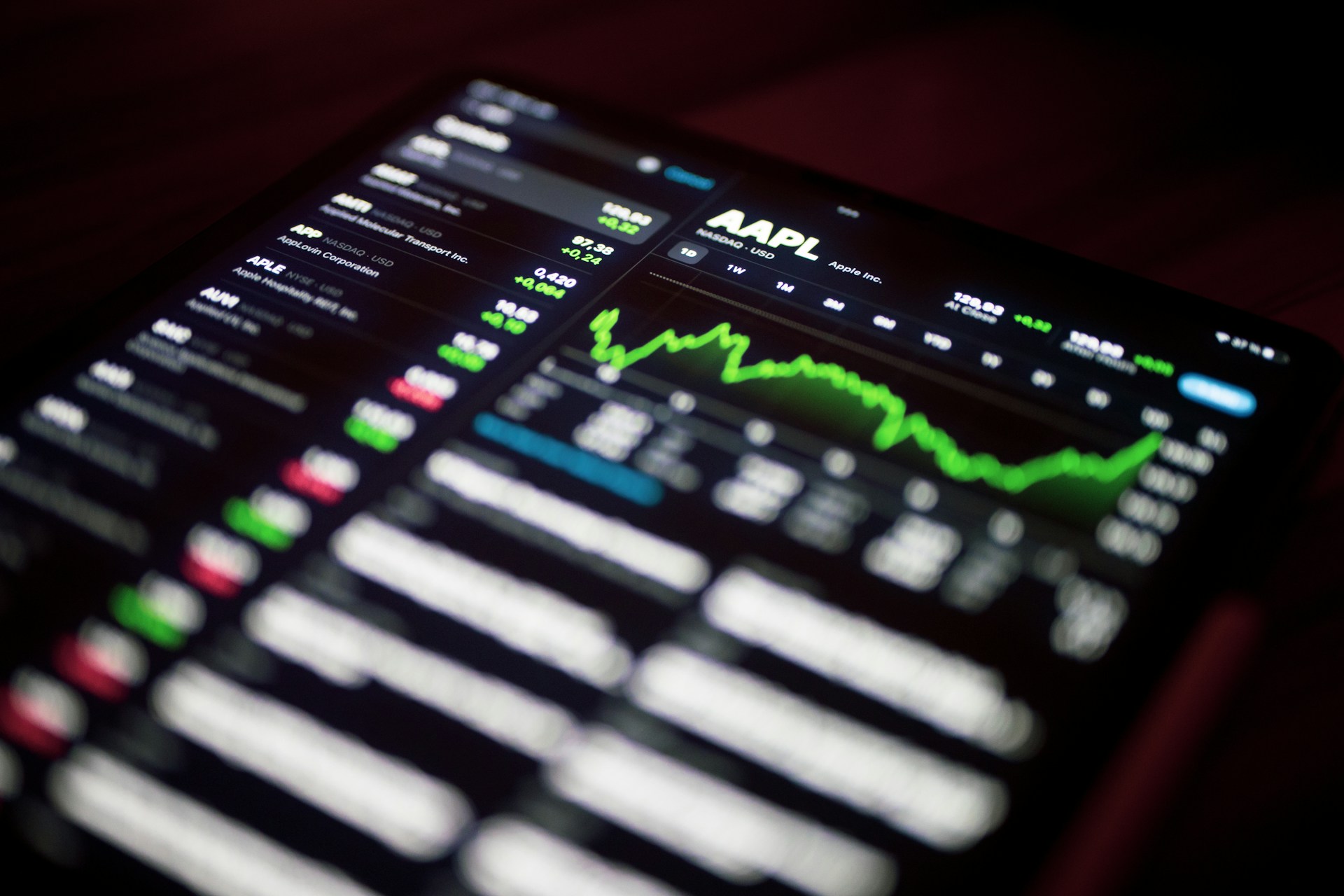
For most individual investors, the main gateway to all of this is the broker. A brokerage platform is not the market itself. It is a service that receives your instructions and routes them into the broader trading system. When you tap “buy” or “sell,” your broker takes that order, checks it for basic validity, and sends it to a place where it can be executed. Execution is the moment the order becomes a trade at a specific price for a specific quantity of shares. The price you see on a chart is not just a number chosen by a company or a website. It is the result of actual trades, plus the best current bids and offers posted by market participants.
This is where order types matter, because the kind of order you place determines how much control you have over the price you receive. A market order tells the system you want to trade immediately at the best available price. That can be convenient, but it can also expose you to surprises when markets are moving quickly or when liquidity is thin. A limit order tells the system you are willing to buy only up to a certain price, or sell only down to a certain price. It may not fill right away, or at all, but it gives you a clearer boundary. Many long-term investors prefer limit orders not because they are trying to outsmart the market, but because they are trying to avoid the most avoidable trading errors.
Behind the scenes, liquidity is supported by participants whose job is to continuously quote prices. These firms, often called market makers, stand ready to buy and sell. They help ensure that the market does not freeze when a normal investor wants to transact. They are not guaranteeing that prices will be stable, but they are helping ensure that trading can keep happening. In exchange, they typically earn money from the difference between the price they are willing to buy at and the price they are willing to sell at, a gap known as the bid-ask spread. When markets are calm and many participants are active, spreads tend to be smaller. When uncertainty spikes, spreads can widen, partly because the risk of sudden price jumps increases and liquidity providers protect themselves.
Time is another important layer, because the market’s behavior can change depending on when you trade. The US stock market has standard regular trading hours, and many brokers also allow extended hours trading. In extended sessions, fewer participants may be active, and trading volume is often lower. That can make prices move more sharply on relatively small orders. It can also make the last traded price feel less reliable as a summary of consensus. For long-term investors, this matters less for the broad plan and more for the mechanics of executing trades calmly. If you are trading outside the busiest window, patience and price control become more important.
Once a trade happens, the process is not instantly complete, even though it may look complete in your brokerage app. There is a behind-the-scenes phase known as clearing and settlement. Clearing is the system confirming what was traded, who owes what, and how obligations are managed. Settlement is the actual completion of the exchange, where the buyer’s cash and the seller’s shares are delivered according to market rules. This infrastructure reduces the risk that one side of the trade fails to deliver what it promised. Most investors rarely think about it until something feels delayed, like when sale proceeds are not immediately available to withdraw. Understanding that there is a structured process after execution makes the system feel less mysterious and can reduce unnecessary worry.
Regulation is another reason the US market generally functions with order and predictability. The market is not a free-for-all. Exchanges and brokers operate under a regulatory framework intended to discourage manipulation, require transparency, and protect investors from the most damaging forms of misconduct. Regulation cannot eliminate risk, because risk is part of investing, but it helps set rules for fairness and disclosure. When you see a public company release earnings, publish filings, or announce major events, that culture of disclosure is part of why public markets can function at scale.
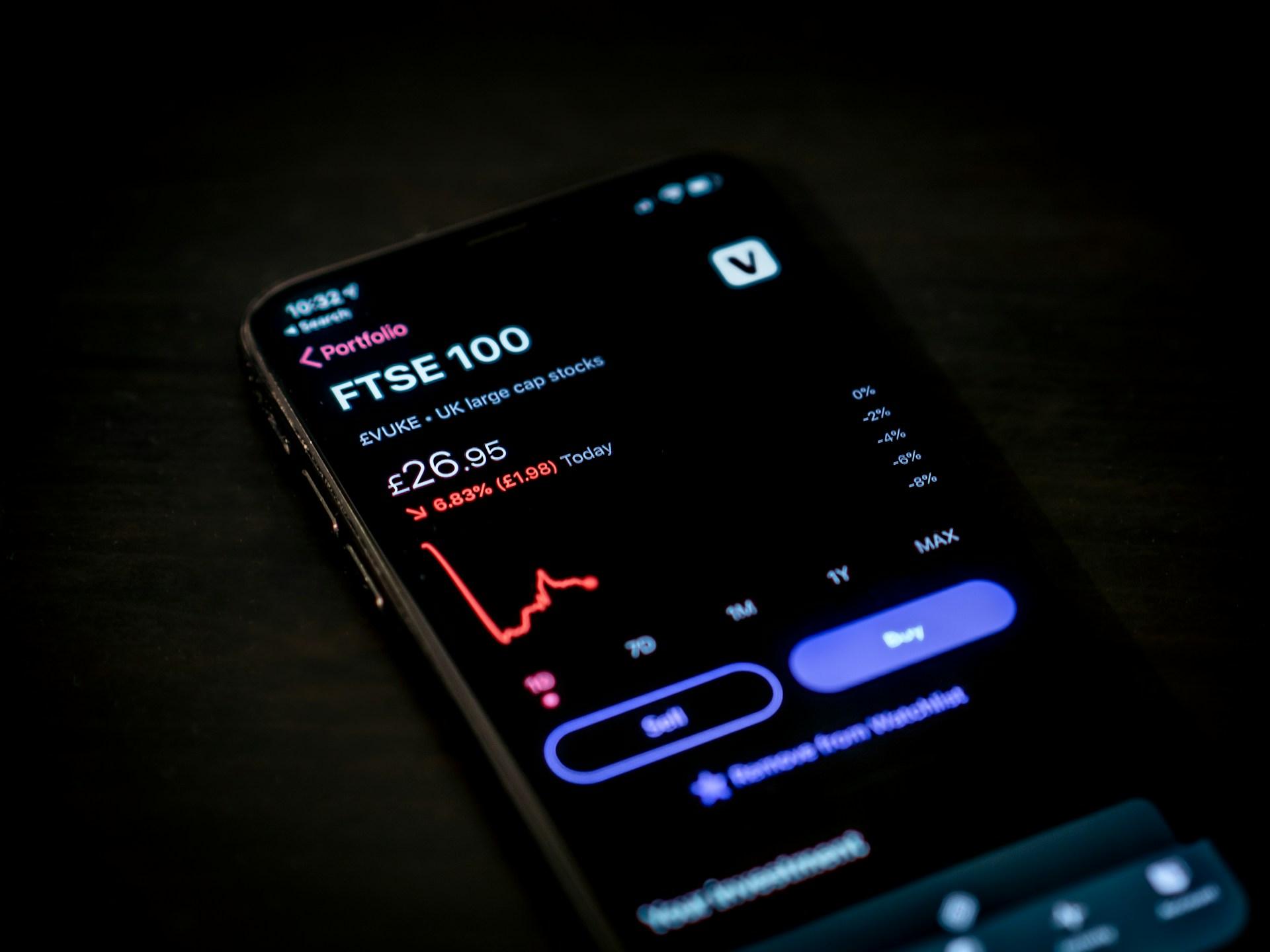
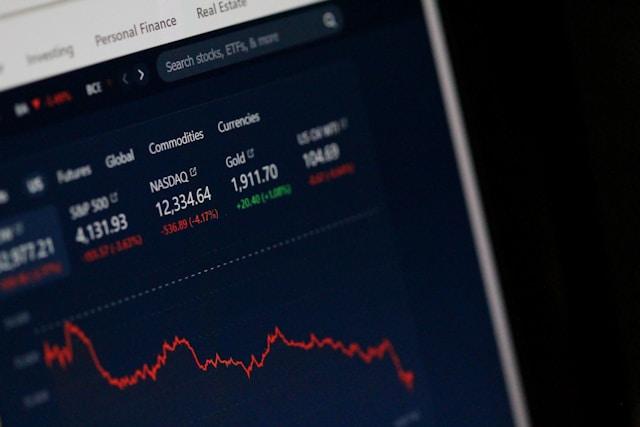
Even with strong infrastructure, markets can still move sharply, sometimes in ways that feel disconnected from a single company’s story. This is because stock prices are influenced not only by news about the company, but also by investor psychology, economic conditions, and the structure of modern investing. Interest rate expectations, inflation data, employment numbers, and central bank signals can push the whole market up or down because they affect how investors value future profits. In addition, large flows from funds can move prices even when nothing dramatic has changed at the company level. When investors add money to broad index funds, those funds buy many stocks in the index. When investors withdraw, those funds sell. This can create a sensation that everything is moving together.
It also helps to remember that when people say “the market is up,” they usually mean an index, not every stock. Indices such as the S&P 500 or the Nasdaq Composite are measurement tools. They track how a basket of stocks is performing. You cannot buy an index directly, but you can invest in funds designed to track it. For many individuals, that is the most practical way to access the US stock market, because a diversified fund reduces the risk of any single company severely damaging your long-term results. The market is full of stories, but long-term investing tends to reward boring consistency more than dramatic predictions.
Beyond daily price changes, shareholders can also benefit through dividends and other corporate actions. Dividends are cash payments a company makes to shareholders, typically out of profits. Stock splits change the number of shares you own while keeping the overall value roughly the same at the moment of the split, though perceptions and accessibility can change. Share buybacks reduce the number of shares in the market, which can increase earnings per share and sometimes support the stock price, depending on valuation and timing. These elements shape long-term returns, reminding investors that performance is more than what happens on a chart over a single week.
For investors outside the United States, there are additional practical realities that shape outcomes. Because US stocks are priced in US dollars, your final return in your home currency is influenced by exchange rates. A strong US dollar can boost returns for a foreign investor, while a weaker dollar can reduce them. Taxes can also affect the net outcome, especially for dividends, where withholding may apply depending on where you live and the type of investment vehicle you use. These considerations do not change how the US stock market works, but they change how investing in it feels in real life, because the results you experience are always after currency and tax friction.
Once these moving parts are understood, the market becomes less intimidating. You can interpret everyday situations more calmly. A sudden move during a thin trading period might be less meaningful than it looks. A volatile close can reflect a surge in institutional activity rather than a new truth about the economy. A trade that executes quickly is not evidence that the system is reckless, but evidence that the system is efficient at matching buyers and sellers. At the same time, understanding the mechanics can encourage healthy caution. It can remind you that the easiest mistakes are often not about picking the wrong stock, but about using the wrong order type, trading when liquidity is poor, or reacting to noise as if it were certainty.
In the end, the US stock market works because it is a continuously updated agreement engine. It connects investors who want to buy and sell ownership in companies, uses brokers and trading venues to match orders, relies on liquidity providers to keep trading possible, and uses post-trade infrastructure to ensure that cash and shares actually change hands. It is shaped by regulation, influenced by economic conditions, and powered by competition and technology. For a long-term investor, the most valuable takeaway is not a fascination with speed or complexity, but the ability to stay steady. The market will always move, sometimes gently and sometimes violently. Your plan matters most when the market tests your patience, and understanding the system makes it easier to stick with a sensible strategy when the headlines start shouting.
 WhatsApp
 Instagram
 Threads