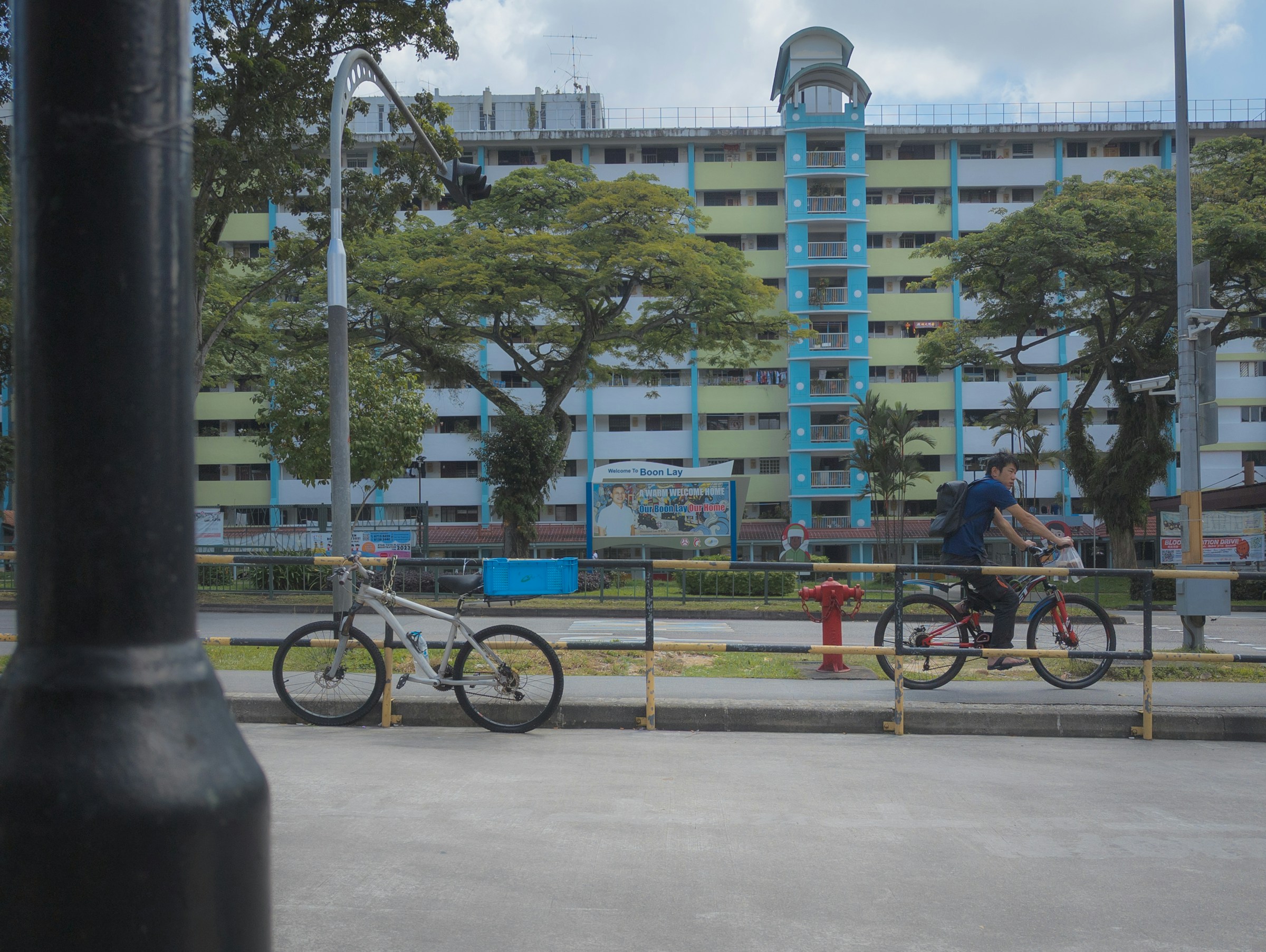
Many home owners in Singapore assume they are already protected because their HDB loan requires fire insurance or their bank insists on a basic fire policy. That sense of security often lasts only until something actually happens. A burst pipe ruins your built in carpentry, a kitchen fire damages your customised cabinets, or a break in leaves your electronics and jewellery missing. At that point many people discover that compulsory fire insurance and a bank arranged policy usually focus on reinstating the original structure, not on repairing your renovations or replacing your belongings. Understanding what to look for when choosing a home insurance plan in Singapore is really about understanding what exactly you want to protect, how much that protection should reasonably be worth, and under what conditions the insurer will pay.
The first step is to clarify your own situation before you even look at brochures or comparison sites. A young couple in a new BTO with simple built in wardrobes has a very different risk profile from a family in a heavily renovated resale flat, and both are different from a landlord who has furnished a condominium for tenants. If you own an HDB flat with an outstanding HDB loan, the HDB fire insurance that you are required to buy covers reinstating internal structures and fixtures that HDB originally provided. It does not usually cover upgraded flooring, custom carpentry, fancy lighting or other features you added after you collected your keys. If you have spent tens of thousands of dollars on renovations, it makes little sense to leave that investment uninsured.
For private apartments and landed homes, you need to check what your bank or your management corporation has already arranged. Many condominiums are covered under a master fire policy that insures the building structure up to a certain value. This is important for catastrophic events but it is not designed to protect your personal renovations or contents. Some home insurance products on the market therefore allow you to add a layer of building or renovation cover on top of what already exists, so that the combined protection is closer to what it would cost to rebuild or repair your portion of the property. Tenants sit in yet another category. They do not own the building, so they do not need to think about structural rebuilding, but they do own the furniture, electronics and personal items they bring into the unit. They can also be held liable if they accidentally damage their landlord’s fixtures. Many insurers now offer tenant focused home insurance plans that concentrate on contents and liability instead of the building itself.
Once you are clear about which category you fall into, you can look more closely at the components of coverage. Most home insurance policies in Singapore break protection into three broad buckets: building, renovations and contents. The building component typically refers to the structural parts of the home such as walls, floors, ceilings and certain built in fixtures. It is important to remember that the replacement cost of a building is not the same as the market value of the property, because the market price includes the cost of land and developer profit. That is why the sums insured for building cover are often lower than the price you paid for the property. Renovation cover is meant to protect the improvements you made after taking possession. This includes things like carpentry, built in wardrobes, upgraded tiles, custom kitchen cabinets and feature lighting. Some policies let you choose a specific renovation sum insured, while others bundle renovations together with the building portion under a combined label.
Contents cover usually refers to the movable items in your home, such as sofas, beds, dining sets, electronics, clothing and small appliances. Policies will generally state an overall limit for contents as well as sub limits for specific categories such as jewellery, watches, collectibles or works of art. These sub limits are worth reading carefully because they cap the maximum amount you can claim for those items, regardless of the overall sum insured. When you compare plans, pay attention to how much flexibility you have to customise these three buckets. A small flat with simple fittings may be adequately covered by a plan that offers modest building and renovation limits and a focus on contents. A larger unit with extensive built in carpentry might warrant higher sums for renovations and building. It is often useful to sit down and roughly list your big ticket items and renovation costs rather than picking figures at random, because that prevents you from paying for unnecessary cover or underinsuring what actually matters.
Coverage is not just about what parts of your home are insured but also about which events trigger a payout. Traditional home insurance policies work on a named perils basis, which means the policy document lists the specific events that are covered. These typically include fire, lightning, explosion, burst or leaking pipes, floods from certain causes, vehicle impact, theft involving forcible entry, riots and some natural disasters. If an event is not listed, it is usually not covered. In contrast, some products on the market are marketed as all risks policies. In practice all risks does not mean every imaginable scenario. It usually means that accidental loss or damage is covered unless it is specifically excluded in the policy wording. While that can be broader than a strict named perils approach, the exclusions section still matters a great deal.
For a homeowner selecting a plan in Singapore, what matters is not so much the label as the details. You want to know whether common incidents such as water damage from burst pipes, leaks from upstairs units, or accidental breakage of glass and fixtures are included. You also need to understand how theft is defined. Some policies will only cover theft if there are clear signs of forced entry such as broken locks or pried open windows. Others may have different conditions or stricter security requirements. Everyday risks in modern homes are changing as well. The increasing use of personal mobility devices, high capacity power banks and multiple charging points has led some insurers to call out battery related fires explicitly in their marketing and policy wordings. It is worth checking whether such incidents are clearly addressed, especially if your household uses many devices.
Many people think of home insurance only in terms of repairing their own walls or replacing their own sofa, but a good plan also addresses the impact of an incident on your living arrangements and your responsibility to others. Personal liability cover is one of the most underappreciated aspects of a home policy. It typically protects you if you are held legally liable for accidental bodily injury to other people or damage to their property, up to a stated limit. This can apply if a fire starting in your unit spreads to a neighbour’s home, or if a visitor suffers an accident inside your property and decides to sue. Compulsory HDB fire insurance does not usually cover this kind of liability. Home insurance can also pay for alternative accommodation if your home becomes uninhabitable because of an insured event. That might mean covering the cost of a hotel or a rental unit for a limited period. For landlords, some plans extend this into loss of rent cover, which helps to offset rental income you lose when tenants must move out after a significant incident or if they default on rent in certain circumstances. These benefits are usually capped by monthly and overall limits, so it is sensible to check whether they are realistic relative to current market rents and your mortgage obligations.
Another concept that is useful to understand when choosing a plan is how sums insured, first loss structures and deductibles work. The sum insured is the maximum amount the insurer will pay for a particular section of the policy. Underinsuring means that the payout might not be enough to rebuild, repair or replace what was damaged, leaving you to cover the shortfall. Overinsuring, on the other hand, often does not lead to higher payouts, because most policies will only reimburse you up to the actual cost of loss or replacement even if you declared a higher sum. You would simply pay more premium without gaining real benefit. Many home insurance plans in Singapore use a first loss basis for contents and sometimes renovations. Under this structure, you do not need to insure the full replacement value of every item in your home. Instead you choose a reasonable maximum amount you might expect to lose in a single incident. If a major covered event occurs, you can claim up to that first loss amount without the insurer applying an underinsurance penalty. This approach makes it easier for households to pick simple round figures instead of carrying out a detailed inventory.
Deductibles, also called excesses, are the amounts you agree to pay out of pocket for each claim before the insurer pays the rest. Generally, the higher the deductible, the lower the premium. When assessing a plan, you should check whether the same excess applies across all types of claims or whether water damage, theft, broken glass or specific high risk items have different deductibles. Understanding these details helps you decide whether you prefer to save on premiums and absorb small losses yourself, or pay more for a plan that responds even to relatively minor incidents. It is also worth checking whether the policy automatically adjusts sums insured over time or leaves them fixed. Renovation and construction costs tend to rise, which means that an amount that seemed adequate five or ten years ago may not be enough today.
No policy is completely open ended. Every contract will list exclusions and conditions. Common exclusions include losses due to wear and tear, gradual deterioration, poor workmanship, inherent defects, war and nuclear risks. High value portable items such as jewellery, luxury watches and fine art are often covered only up to modest sub limits unless you declare them specifically and pay additional premiums. Policy conditions can also affect whether a claim is paid. For example, insurers may require that doors and windows are properly secured when no one is home for theft cover to apply. They may insist that any renovations follow HDB or building regulations. If these conditions are breached, even unintentionally, the insurer may have grounds to reduce or deny a claim. It is also important to look at how the policy treats unoccupied periods. Some plans restrict coverage if the property is left empty for more than a certain number of days unless the insurer is informed in advance.
Choosing a home insurance plan is not only about reading benefits but also about the institution that stands behind the policy. In Singapore, general insurers and intermediaries are regulated, which means they must meet capital and conduct requirements and their representatives are supposed to be properly trained. Industry bodies also publish codes of practice that member companies commit to follow, covering disclosure, sales practices and claims handling. This does not remove your responsibility to read and understand what you are buying, but it does support a basic level of consumer protection. When you engage an adviser, a broker or an online platform, it is reasonable to ask how they are remunerated, what insurers they work with, and how they will assist if you need to make a claim or have a dispute.
Finally, home insurance should be seen in context rather than in isolation. Most households already carry some form of compulsory cover linked to their mortgage, such as HDB fire insurance or a bank arranged fire policy, and many also have mortgage reducing insurance or the Home Protection Scheme to protect their ability to keep the home if something happens to their main income earner. Those policies mainly protect the lender and the continuation of the loan. The role of home insurance is to protect your lifestyle, your renovations, your belongings and your liability to others. You do not need to spend an excessive portion of your income on property cover, especially if you already have sizable emergency savings, but you do want enough protection so that a serious incident does not wipe out years of savings or plunge you into debt.
A practical way to approach the decision is to sit down with a realistic estimate of your renovation costs and the replacement value of major furnishings and electronics, then compare that with your current cash reserves. If you could comfortably absorb several tens of thousands of dollars in unexpected repair and replacement costs, you might choose a plan with higher deductibles and focus on catastrophic events. If such a loss would derail other financial goals, stronger home insurance with sensible limits and a modest excess becomes an affordable way to transfer that risk. When you compare plans, do not only look at the annual premium. Look at what basic fire cover you already have, what the policy defines as building, renovations and contents, what events are covered, which exclusions apply, how liability and alternative accommodation are handled, and how easy the claims process is likely to be. If you take the time to match the plan to your real situation, your home insurance in Singapore becomes a quiet but important part of your financial safety net instead of just another box to tick for the bank.
 WhatsApp
 Instagram
 Threads





-13.jpg&w=3840&q=75)