Investing in index funds is often described as one of the simplest ways to build long-term wealth, but simplicity does not mean you can skip having a plan. Index funds work best when they are used with clear goals, steady habits, and the patience to let markets move up and down without panicking. For many investors, the real advantage of index funds is not that they promise quick wins, but that they reduce the number of decisions that tend to lead to costly mistakes. Instead of trying to guess which company will outperform next, index funds allow you to own a broad slice of the market and rely on long-term growth rather than constant prediction.
A sensible way to begin is by understanding your timeline. The amount of time you can stay invested is one of the most important factors in deciding how to use index funds. If your goal is far away, such as retirement in twenty years, short-term market drops are unpleasant but usually manageable as long as you do not sell in fear. However, if your goal is nearer, such as saving for a house deposit in two or three years, market volatility becomes a bigger risk because you may need the money at a specific time. This is why index funds are not automatically “safe” in every situation. They can be a strong tool for long-term growth, but they can also fall sharply in bad years. The key is matching the investment to the purpose and giving it the right amount of time to do its job.
Before investing, it is also important to protect your financial stability through emergency savings. Index investing depends heavily on your ability to stay invested during downturns. If you invest money that might be needed for unexpected expenses, you may feel pressured to sell at the worst possible time. A separate emergency fund acts as a buffer that helps you avoid liquidating investments when life becomes unpredictable. This separation between emergency cash and long-term investments makes it easier to remain calm when markets drop, because you know you are not depending on your portfolio for immediate needs.
Choosing the right investment account and platform is another key step. Many beginners focus on picking the “best” fund first, but a good platform can shape your habits more than the fund itself. The costs involved can include platform fees, transaction fees, currency conversion spreads, and the expense ratio of the fund. Some costs are obvious, while others are hidden in the fine print. Over time, these fees can quietly reduce your returns. Beyond costs, convenience matters too. Index investing works best when you can invest regularly, ideally in a way that fits naturally into your monthly routine. A platform that makes it easy to contribute consistently can be more valuable than one that encourages frequent trading or constant checking.
Once you are ready to select an index fund, it helps to understand what it actually holds. Index funds are designed to track a specific index, which could represent a broad stock market, a region, a segment like large companies or small companies, or even a bond market. Broad equity index funds are often used for long-term growth because they give exposure to many companies at once, reducing the risk of relying on a single stock. Bond index funds, on the other hand, are usually used to reduce volatility and provide more stability, though they can still decline under certain interest rate conditions. The important point is that diversification comes from owning different types of exposure, not from collecting many funds that overlap heavily.
Fees deserve extra attention because they compound in the wrong direction. Index funds are popular partly because they are generally low-cost, but even small differences in expense ratios can add up over many years. Paying high fees for basic market exposure creates a headwind that is hard to overcome. A low-cost index fund does not guarantee higher performance, but it removes an avoidable drag on your long-term results. In addition to fees, tracking quality matters. Two funds that track the same index can still deliver slightly different outcomes based on how efficiently they replicate the index and manage costs.
Building a portfolio does not require complexity. For many investors, a simple allocation is the easiest to maintain because it reduces the temptation to overmanage. A broad equity index fund can serve as a strong foundation for long-term goals, while adding a bond index fund can help reduce swings and provide balance. What matters most is choosing a mix that you can hold during stressful market periods without abandoning it. A portfolio that looks good on paper but causes you to panic in real life is not a good portfolio for you.
Consistency is what makes index investing powerful. Instead of trying to time the market, many investors benefit from putting in a fixed amount regularly, such as monthly. This approach reduces the stress of deciding whether the market is “too high” or “too low.” Over time, investing consistently means you buy across different market conditions. Some purchases happen at higher prices, others at lower prices, and the overall habit tends to smooth out decision-making errors. If your income varies, consistency can still be created by setting a minimum amount you invest during tighter months and a clear rule for investing extra during better months.
It also helps to decide in advance how you will respond when markets fall. Downturns are normal, and at some point most investors will experience a decline that feels worse than expected. Planning for that moment is part of investing responsibly. If you already know you will keep contributing or avoid selling during declines, you reduce the chance of making emotional decisions. Rebalancing, which means returning your portfolio to its original target allocation after market movements, can also be part of this discipline. The goal is not to rebalance constantly, but to have a simple rule that prevents your portfolio from drifting into something you did not intend to hold.
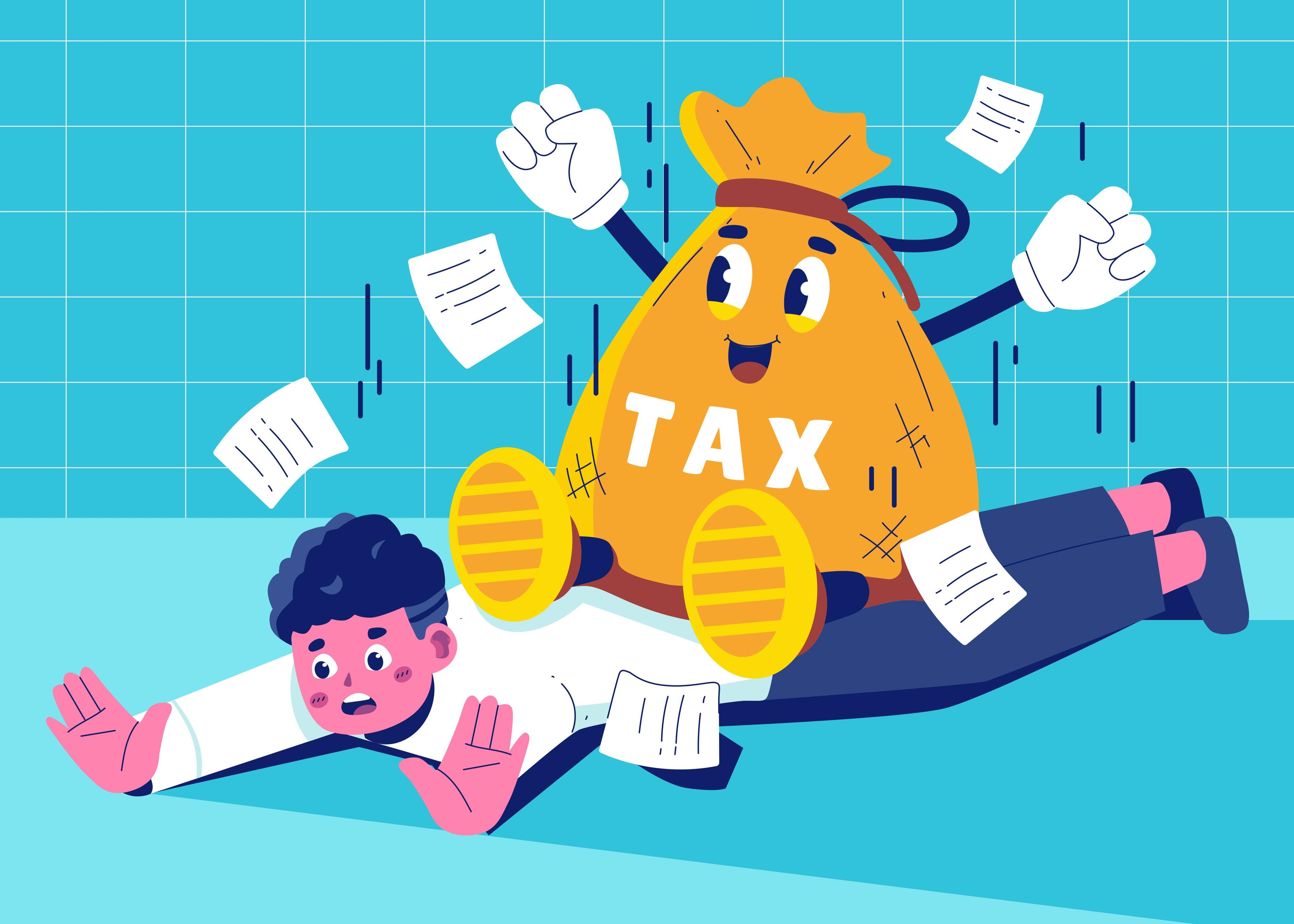
Finally, investors should remember that taxes and fund structure can affect net returns. Dividend taxes, withholding taxes, and cross-border tax issues can become relevant depending on where you live and what fund structure you choose. This does not mean you must master every detail, but it does mean you should understand the basics before building large positions, especially if you have cross-border financial ties.
In the end, index investing succeeds because it is intentionally boring. It is designed to remove unnecessary complexity and help you focus on what matters: a clear timeline, a stable cash cushion, low fees, broad diversification, and consistent contributions over time. When you treat index funds as a long-term habit rather than a short-term bet, you give yourself the best chance of reaching your financial goals with less stress and fewer mistakes. This is general information for educational purposes and not personal financial advice, and anyone with complex tax or residency considerations may benefit from speaking with a licensed professional in their jurisdiction.
 WhatsApp
 Instagram
 Threads