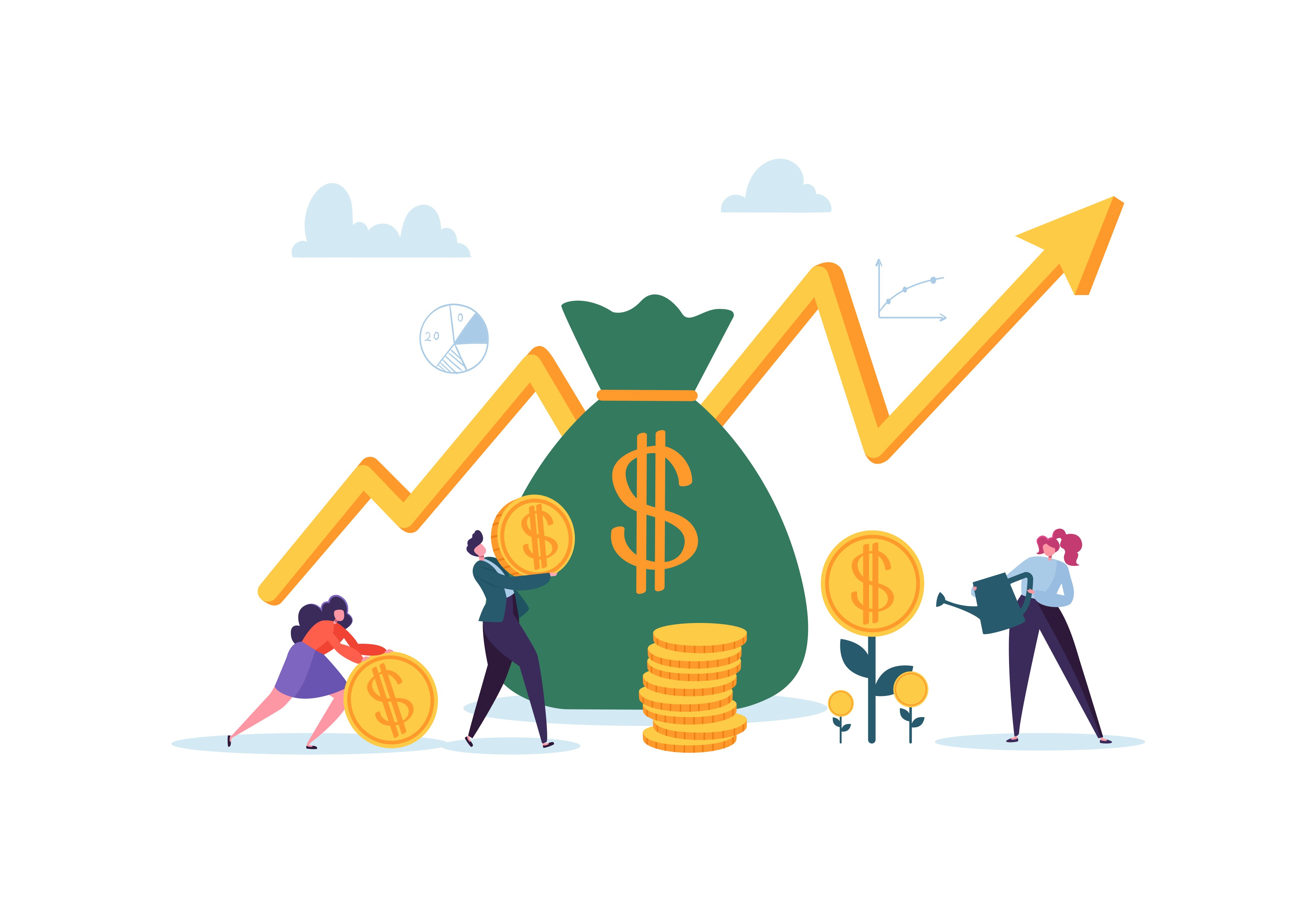
Gen Z often hears that investing early is the key to building wealth, yet that advice can feel out of touch when your income is small and your expenses are already stretching every paycheck. When rent, transportation, food, and basic bills take up most of what you earn, the idea of putting money into investments may seem like something you can only do after you reach a higher salary. In reality, the ability to invest does not begin with a big income. It begins with a workable system that lets you start small, stay consistent, and grow over time without turning your finances into a constant source of stress.
The first step to investing with limited income is understanding that sustainability matters more than intensity. Many people assume investing requires large deposits, complicated strategies, or perfect timing. For someone on a tight budget, those assumptions are not just wrong, they are discouraging. A small income does not prevent you from investing, but it does mean you must focus on habits that are realistic during both good and difficult months. The goal is not to invest a large amount immediately. The goal is to begin in a way that you can maintain, because consistency is what allows compounding to work in your favor.
Before putting money into the market, it helps to build a basic cash buffer that protects you from being forced to sell investments during an emergency. When you invest without any cushion, even a minor surprise can push you into a financial corner. A sudden medical bill, a phone repair, or an unexpected transportation cost can force you to withdraw what you invested at the worst possible time, often when markets are down. That experience can make investing feel like a mistake, when the real problem was simply that you were investing money you could not afford to lock away. A small emergency fund, even if it starts with only a few hundred dollars, acts as a stabilizer. It does not need to be perfect or fully built before you begin investing, but it should be steadily growing so that your investing habit becomes harder to break.
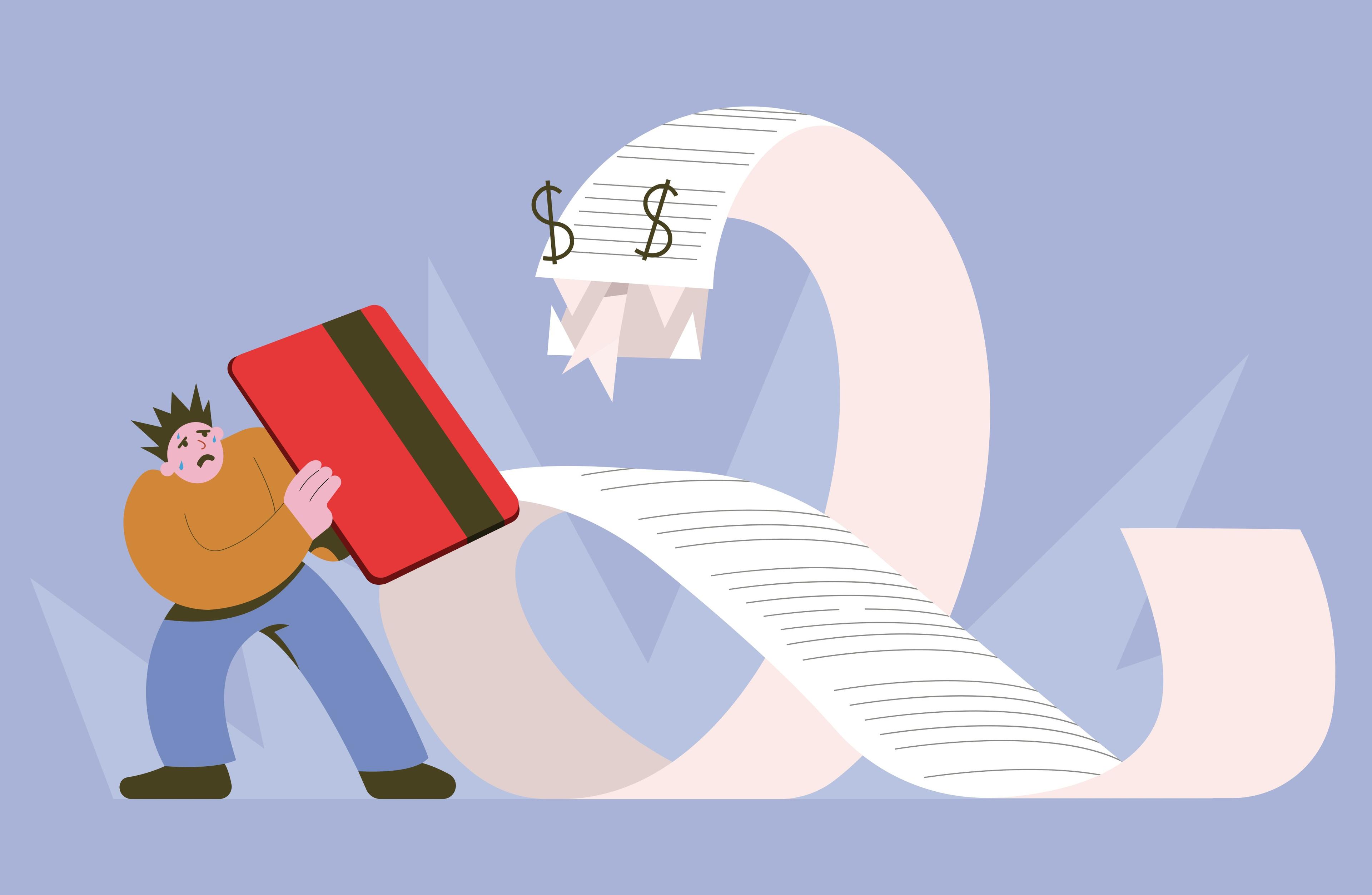
Debt is another factor that affects how smoothly a Gen Z investor can get started. Carrying high-interest credit card debt is especially draining because it competes with your investment returns. When interest charges are steep, the financial progress you hope to gain through investing can be cancelled out by the cost of borrowing. This does not always mean you must eliminate every debt before investing, but it does mean you should avoid letting expensive debt grow unchecked. A practical approach is to reduce high-interest balances while still contributing a small, steady amount toward investments. That way, you build the investing habit while also improving your overall financial position.
Once your finances have a bit more stability, it becomes important to know what your money is actually meant to do. Investing works best when the timeline is clear. If you might need your savings within a year for a move, a course fee, a laptop, or a security deposit, the market may not be the right place for that money because short-term investing can be unpredictable. Market ups and downs are normal, and they are far less intimidating when your timeline is long. For long-term goals, such as retirement or building long-term wealth, you can afford to ride out volatility and allow your investments the time they need to grow. For shorter goals, you may need safer options and more flexibility. Understanding this difference helps you avoid using the wrong tool for the wrong job.
From there, Gen Z investors benefit most from simple strategies that reduce fees and avoid unnecessary complexity. Modern finance culture is filled with noise, and social media often glamorizes risky moves or quick wins. Yet most people with limited income cannot afford to treat investing as a series of bets. A single bad decision can set you back, not just financially, but emotionally. That is why diversification and low-cost investing are often the smartest starting points. Broad-market index funds and diversified ETFs can provide exposure to many companies at once, which spreads risk and reduces the pressure to “pick winners.” Instead of trying to outsmart the market with individual stock picks, you can focus on owning a small piece of the overall economy and letting time do the heavy lifting.
Automation plays a major role in making investing possible on a small income. If you wait until the end of the month to invest whatever is left, you will often find that nothing is left, because spending naturally expands to fit what is available. The more effective approach is to set up automatic contributions that happen as soon as you get paid. Even if the amount feels small, it creates a routine that does not rely on motivation or perfect discipline. Investing becomes something you do by default, not something you debate every payday. Over time, those small deposits create momentum, and momentum is what keeps you going long enough to see results.
For Gen Z employees who have access to an employer retirement plan, taking advantage of any matching contribution can be one of the most powerful moves available. A match is essentially free money added to your savings, and it can significantly improve your long-term outcome even if your own contributions are modest. Many young workers avoid retirement plans because the options seem confusing or the topic feels distant. However, the early years matter greatly, because time is the most valuable resource in investing. Even if you do not fully understand every fund option at the beginning, choosing a low-cost, diversified option and contributing enough to get the full match can be a strong starting decision.
If you do not have access to an employer plan, a brokerage account or robo-advisor can still make investing accessible. The key is to choose platforms that encourage long-term behavior rather than frequent trading. Some investing apps are designed to keep you constantly checking prices and making impulsive moves, which can turn investing into a stressful habit instead of a wealth-building one. The best tools for beginners are often the ones that feel almost boring, because they support consistency instead of constant action.
A common temptation for Gen Z investors is to confuse entertainment with strategy. Trend-driven investing, meme stocks, or high-risk speculation can feel exciting, and sometimes it even looks like the easiest way to catch up financially. The problem is that these approaches can create an unstable foundation. When you have limited income, your financial plan needs to be resilient. If you want to experiment with higher-risk investments, it is safer to keep that as a small, clearly defined portion of your money, separate from your core long-term investments. That way, you protect your long-term future while still satisfying curiosity. What matters most is that the majority of your investing stays tied to a plan that does not depend on hype.
Another often overlooked part of investing with a small income is investing in your earning power. Early in your career, the size of your contributions may be limited simply because your income is limited. Improving your skills, certifications, or career opportunities can increase your income in ways that have a lasting effect. When your income grows, investing becomes easier and your contributions can rise without creating financial strain. This does not mean you should delay investing until you earn more, but it does mean you should treat career growth and investing as partners. A small automatic contribution builds the habit, while career development strengthens your ability to invest more later.
As your income rises, the challenge shifts from starting to staying intentional. Lifestyle creep is a real threat, especially when you experience your first meaningful pay increases. It is easy to let spending expand until you feel just as broke as before, only with nicer habits. One way to prevent this is to increase your investing contributions when your income increases, even if it is just a portion of each raise. Doing so ensures that your financial growth translates into long-term progress rather than short-term consumption. It also helps to pay attention to fees, because fees are one of the quiet ways small investors lose momentum. When contributions are small, high fees can take a significant bite out of returns. Low-cost funds and simple investment products often serve beginners best because they allow more of your money to stay invested and compound over time. A small difference in costs may not look dramatic in the short term, but over many years it can influence outcomes more than people expect.
Finally, investing requires emotional patience, not just financial knowledge. Markets rise and fall, and your account balance will not always move in a straight line. If you check your portfolio constantly, every dip can feel personal, as if you are failing. In truth, volatility is normal, and the long-term investor learns to treat it as part of the process. A stable system, diversified investments, and a clear timeline all reduce the emotional pressure, because they remind you that short-term movement is not the same thing as long-term direction.
Gen Z can start investing with a small income by building a foundation that makes consistency possible. A small emergency buffer prevents panic decisions. A plan for managing high-interest debt improves financial stability. A clear timeline helps you choose the right tools. Low-cost diversified investments provide a simple path forward. Automation turns investing into a habit rather than a monthly struggle. Career growth increases your ability to contribute more over time. When these pieces work together, investing stops being something that only wealthy people do and becomes something you can begin now, even if the first steps feel small. Over time, those small steps can turn into real progress, not through luck or hype, but through a system that keeps working even when life gets busy and money feels tight.
 WhatsApp
 Instagram
 Threads







-1.jpg&w=3840&q=75)