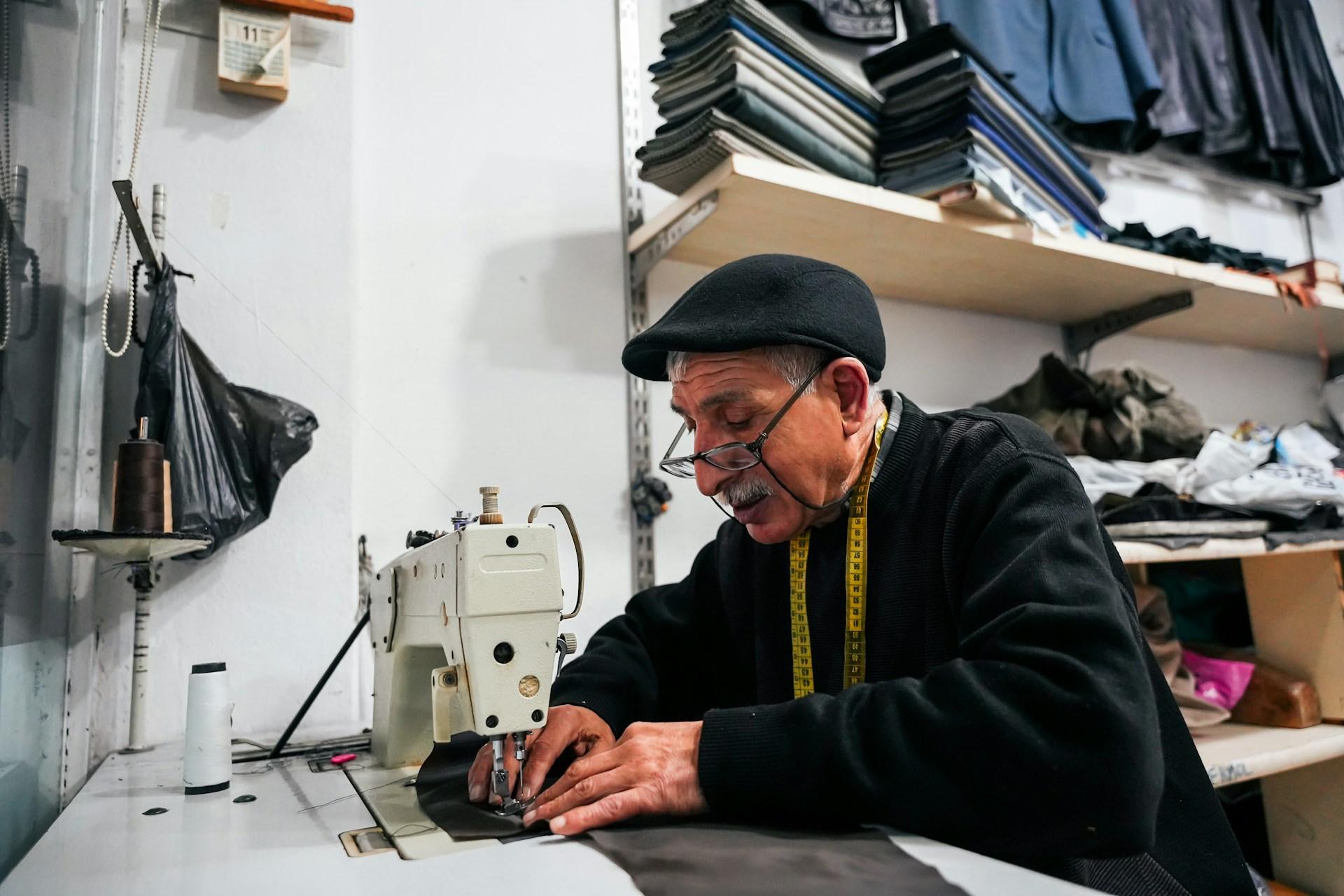
Companies can support older employees to work effectively by building an environment where experience is valued, work is designed sustainably, and learning is treated as a normal part of the job rather than a test of relevance. The aim is not to “manage” age, but to remove the obstacles that make work harder with time, such as unclear priorities, exhausting workflows, and tools introduced without proper training. When organizations approach support in this way, they not only help older employees perform well, they also improve the workplace for everyone.
One of the most important ways to support older employees is to improve clarity across roles and expectations. Many workplaces reward speed, constant availability, and the ability to juggle multiple tasks at once. This kind of intensity may seem like productivity, but it often hides weak systems. Older employees may be less willing to accept unnecessary chaos, not because they lack ability, but because they understand the long-term costs of working in a disorganized environment. When companies define responsibilities clearly, communicate priorities consistently, and set realistic timelines, employees can focus on meaningful output instead of wasting energy navigating confusion.
Flexibility is another critical form of support, but it works best when it is structured rather than handled quietly through private negotiations. Older employees may benefit from predictable schedules, manageable workloads, and a reduced need for constant context switching. Flexible work arrangements should be framed as part of standard operational planning, not as special privileges. When organizations design roles with options for different working rhythms, employees can stay effective without feeling like they are asking for exceptions.
Ergonomics and work design also play a major role in supporting effectiveness. Physical comfort matters, but so does cognitive strain. Better lighting, quieter workspaces, and proper equipment reduce daily fatigue. Just as importantly, meeting culture can be improved by shortening meetings, creating clearer agendas, and limiting last-minute changes. These adjustments reduce the mental load of work and help employees maintain consistent performance. Older employees may feel the impact of poor design more strongly because recovery from strain takes longer, making it even more essential to build a work environment that does not drain people unnecessarily.
Technology support is frequently overlooked, and this is where many companies unintentionally create barriers. The issue is rarely that older employees cannot handle technology. The more common problem is that new tools are introduced without thoughtful training or ongoing support. Employees who enjoy experimenting may adapt quickly, while cautious learners may fall behind and become unfairly labeled as resistant. Companies can prevent this by offering ongoing learning opportunities, creating safe channels for questions, and setting up practical support systems like short training sessions, peer mentoring, and informal “tool clinics.” When learning is normalized, employees gain confidence and performance improves regardless of age.
To support older employees effectively, companies also need to rethink how they recognize value. Many performance systems focus on visible output, fast execution, and constant innovation, while ignoring contributions like risk awareness, customer continuity, judgment, and stability. Older employees often excel in preventing mistakes, spotting patterns, and strengthening processes, but these strengths may not be captured in traditional metrics. Organizations should build performance standards that reward quality, reliability, and long-term impact, rather than only speed and volume.
Bias also needs to be addressed directly, especially the subtle kind that is framed as kindness. Older employees may be excluded from major projects because leaders assume they are nearing retirement or will not want new challenges. Even when this is not meant to be harmful, it removes choice and reduces engagement. A supportive workplace does not decide what older employees “should” want. Instead, it provides opportunities and allows individuals to choose based on their goals and capacity.
Health-related support should also be practical rather than symbolic. Wellness campaigns can be helpful, but older employees may need policies that make preventive care and medical appointments easier to manage without stigma. The most effective organizations treat health needs as normal operational considerations, the same way they plan for travel or deadlines. When managers normalize these conversations, employees are less likely to hide issues until they become serious, and the workplace becomes more sustainable.
Finally, companies can support older employees through thoughtful transition options rather than forcing an all-or-nothing approach to work. Some employees may prefer to reduce hours or shift into advisory roles over time. Phased retirement, part-time arrangements, project-based work, or mentorship-focused roles can keep valuable expertise in the organization while respecting changing needs. However, these arrangements only work when expectations are clearly defined, including scope, boundaries, and communication responsibilities. Without structure, flexible roles can become emotionally draining and unfair.
Supporting older employees is ultimately about designing work that is clear, humane, and built for long-term contribution. When organizations prioritize clarity, flexibility, learning, fair recognition, and respectful leadership, older employees can continue to perform at a high level and feel valued for what they bring. At the same time, these improvements strengthen the entire workplace, creating a culture where people can build sustainable careers instead of burning out early.
 WhatsApp
 Instagram
 Threads