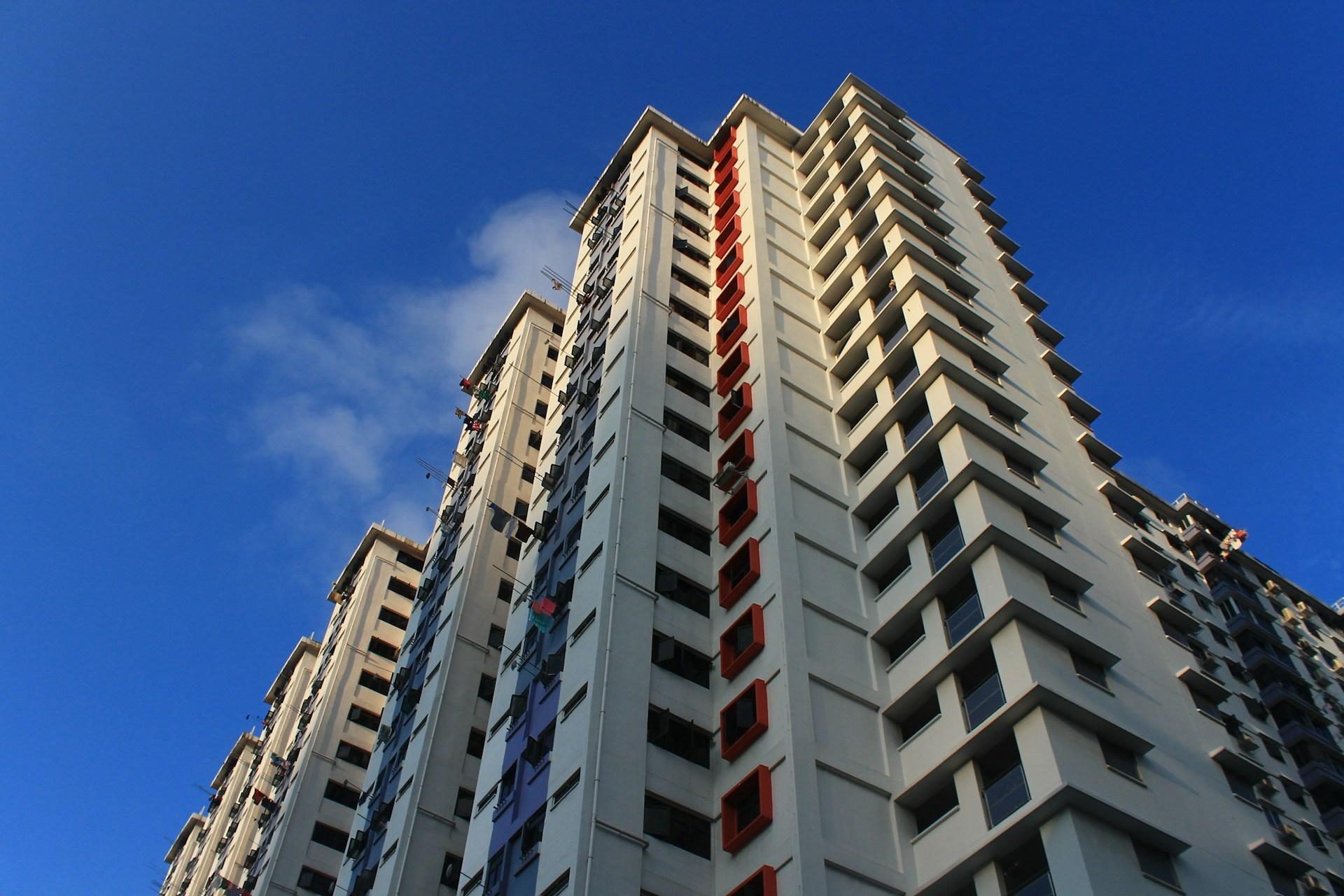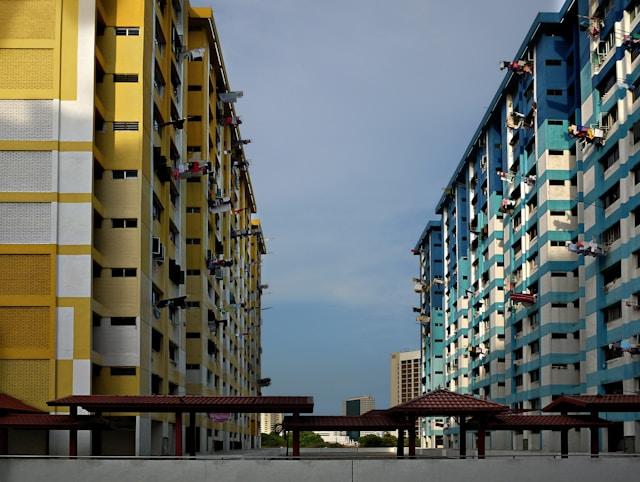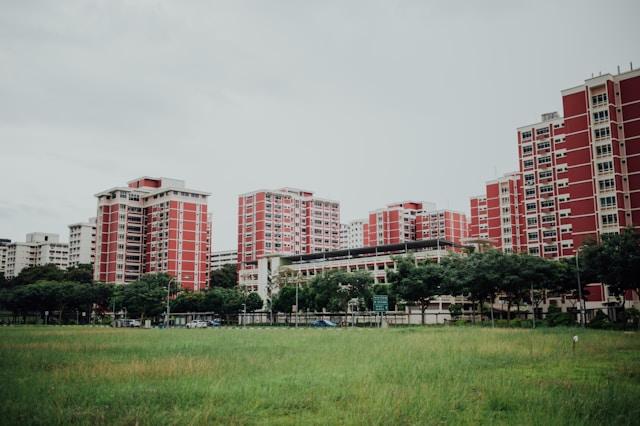
In a city that is famous for high homeownership, it can seem puzzling that so many people still choose to rent. Yet in Singapore, renting is rarely just a last resort. For many households, it is a deliberate decision shaped by policy rules, cash flow realities, and the simple fact that life changes faster than housing timelines. Buying a home here is not only a personal milestone. It is also a regulated financial commitment with meaningful upfront costs and restrictions that make “getting it wrong” expensive. Renting, by comparison, is a way to secure a home and a location without taking on long-term risk before you are ready.
The first reason many people rent is the heavy cash commitment required at the start of ownership. A purchase price is only the headline number. Buyers also have to contend with stamp duties, legal fees, and the practical costs that arrive immediately after collecting keys, from basic furnishings to renovation work. Even if monthly mortgage payments look manageable on paper, the upfront hurdle can be large enough to delay a purchase by years. Renting can be a sensible bridge during that period, especially for people who are building their savings and do not want to drain their emergency fund just to meet the initial requirements. In that sense, renting is not “wasting money” so much as protecting liquidity, which is often the difference between feeling stable and feeling one unexpected bill away from panic.
Borrowing rules reinforce this dynamic. Singapore’s lending framework is designed to keep households from overextending, which is good for systemic stability but can make the path to ownership slower for individuals. Loan limits and debt servicing rules mean that approval is not solely about what you earn, but also about how much of your income is already committed to other obligations. If a person has student loans, car financing, credit card balances, or family support responsibilities, they may find that what they can borrow is lower than what they assumed. Renting then becomes the practical option while they reduce other debts, strengthen cash flow, and build the buffers that make long-term housing commitments safer.
Flexibility is another powerful reason. Ownership is easiest when your life is stable, your job is predictable, and your family plans are clear. Many people do not have that certainty in their twenties and thirties, especially in a labour market where switching roles is one of the fastest ways to grow income. Renting allows you to move closer to a new workplace, shorten a punishing commute, or test a neighbourhood before committing. In Singapore, location is not a minor preference. It can shape your daily stress, your childcare logistics, and the amount of time you reclaim for sleep and family. For people with demanding schedules, the value of being near work, transport, or caregiving responsibilities can outweigh the prestige of owning, at least for a season.
The cost of changing your mind also matters. Buying a home is not like subscribing to a service you can cancel. Transaction costs and policy measures are designed to discourage short-term speculation, which means exiting too quickly can be expensive. Even without getting into technicalities, the point is simple. If you buy and then need to sell soon after due to a job relocation, a divorce, a new child, or a shift in caregiving needs, you may face fees, taxes, and timing pressures that renters largely avoid. Renting keeps your downside more limited. Your commitment is typically bounded by the lease term, and the decision to move, while inconvenient, is not tied to the same financial penalties.
Housing policy also explains why renting remains common among certain groups. Singapore’s rules differentiate between first-time buyers and those who already own property, and they often impose additional costs depending on your profile. For households that already own a home, upgrading or purchasing an additional property can involve significant additional taxes. For foreigners, the extra tax burden is often so large that buying rarely makes sense unless there is a long-term plan to stay and a strong reason to own. In those cases, renting is not a sign of indecision. It is the rational response to a policy landscape that deliberately makes some forms of buying far more expensive than others.
Timelines play a quieter but equally influential role. Many people want to buy through pathways that involve waiting, such as building-to-order flats or other routes that depend on supply schedules. Even if waiting times improve over the years, the gap between “we want a home now” and “the home will be ready later” is still a lived reality. Couples get married, families grow, job locations change, and parents fall ill. Renting fills that gap. It is often the solution that allows people to get on with their lives while their longer-term housing plan catches up. Without that rental option, households would be forced into rushed decisions that could leave them overstretched or stuck.
Eligibility rules can also push people toward renting during specific stages of life. Singles, for example, may find that the public housing route they want is only available at certain ages or under certain conditions. Some may be able to buy, but not in the location or property type that matches their lifestyle and work needs. Others simply prefer to wait rather than buy an option that feels like a compromise. In these situations, renting becomes the route to independence, privacy, and mobility while they plan their next move.
Interest rate uncertainty adds another layer. A mortgage is a long-term promise, and the comfort of that promise depends on how stable your income is relative to your monthly payments. When rates move, the cost of servicing a loan can change, and households may worry about whether today’s affordability will still hold in a different environment. Renting is not immune to market forces, but it can feel less stressful because the commitment is shorter and the budget impact is easier to reassess at renewal. For people whose income is variable, such as commission-based roles, freelancers, or business owners, that flexibility can be worth paying for.
There is also a psychological component that is easy to underestimate. Buying is often treated as a life marker, which creates pressure to time the market perfectly and fear the regret of buying “too high.” When prices rise quickly, first-time buyers can feel squeezed and anxious. When prices soften, they may hesitate and wait for a clearer signal. Renting can be a way to step out of that emotional tug-of-war, focus on saving and stability, and make a purchase decision from a calmer place. In a high-stakes market, peace of mind is not a soft benefit. It is a real part of financial well-being.
Finally, renting can simply be a lifestyle choice. Some people enjoy living in different neighbourhoods over the years. Others value condo facilities, proximity to the city, or the convenience of a managed environment, even if ownership is financially possible. Some rent because they plan to live overseas again, or because they do not want the responsibility of maintenance, renovation cycles, and the administrative burden of property ownership. Ownership can build wealth over time, but it also turns you into someone who must think about repairs, insurance, market timing, and long-term planning whether you enjoy those topics or not. Renting allows people to outsource some of that complexity and keep their attention on career, family, or other goals.
The debate is often framed as renting versus buying, as if one must be smarter. A better framing is whether renting or buying is safer for the life you are living right now. If your timeline is uncertain, if you need mobility, or if you are still building the financial foundation that makes a mortgage comfortable, renting can be a disciplined choice. If your life is stable, your location needs are clear, and you can afford ownership without thinning your buffers to the bone, buying can be a strong long-term anchor. In Singapore, where policy is designed to promote stability and discourage speculation, renting serves an important role. It gives households time and flexibility to align their housing decision with real life, rather than forcing them to commit before they are ready.
 WhatsApp
 Instagram
 Threads