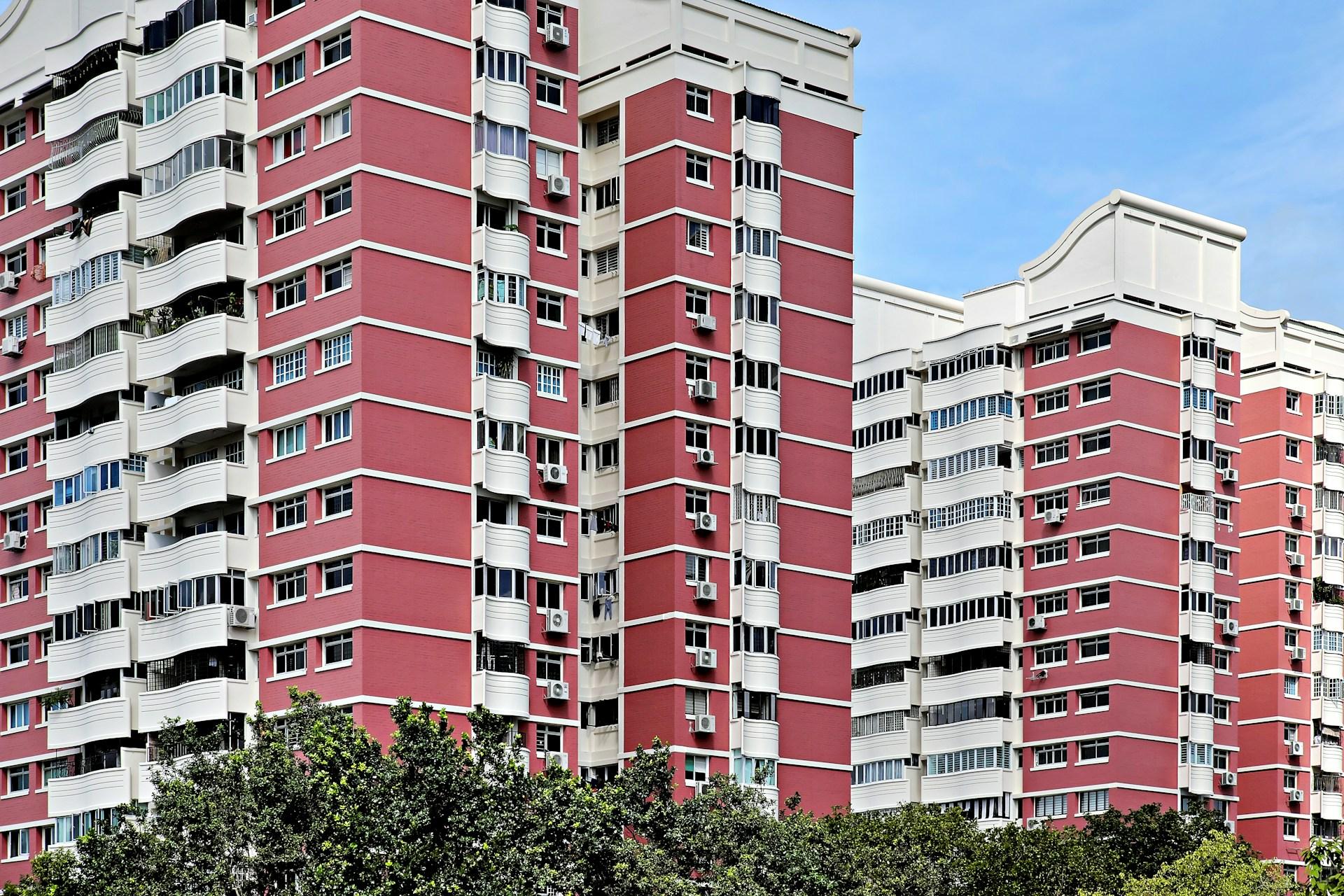
Buying an HDB flat in Singapore is often described as a milestone, but it is also a decision that sits at the intersection of policy, personal timing, and long-term cash flow. The unit you like is only one part of the picture. The bigger question is whether you can buy it under the current rules, finance it safely without overstretching, and live with the restrictions that come with subsidised public housing. Many first-time buyers focus on the listing price and the photos, then feel blindsided later by financing limits, grant conditions, remaining lease issues, or the minimum occupation period. A calmer purchase tends to happen when you treat the process less like shopping and more like signing a long contract with both your future self and the housing system.
The first factor to take seriously is eligibility, because it quietly determines the range of flats you can even consider. Household type, citizenship, marital status, previous housing history, and the timing of your purchase all affect what you are allowed to buy, whether you qualify as a first-timer, and whether you can access certain grants or loan options. If you start visiting units without anchoring yourself to what you qualify for, you risk investing weeks into a shortlist that does not match your actual purchase pathway. In today’s process, the HDB Flat Eligibility assessment is meant to surface these constraints early, so that buyers do not fall in love with a flat and only later discover that their financing or grant expectations do not hold up. It is not just paperwork. It is the set of guardrails that keeps you from planning your life around a home you cannot realistically secure.
Once eligibility is clear, affordability becomes the next major checkpoint, and here it helps to shift your mindset. For HDB flats, affordability is not simply about whether you can accumulate the downpayment. It is about whether your monthly repayment fits within loan rules and still feels comfortable when life gets messy. The mortgage servicing ratio sets a hard boundary on how much of your gross income can go toward the loan repayment for an HDB flat. This rule exists to prevent buyers from being pushed into mortgages that look manageable on a spreadsheet but collapse under rate changes, job transitions, or family costs. A flat may look “within budget” because you have savings, but it can still be out of reach if the projected repayment breaches the servicing cap. The sensible way to shop is to define a monthly repayment you can sustain with buffer, then work backwards into a price range that still allows flexibility.
This naturally leads to the decision between an HDB loan and a bank loan, which is often treated as an interest rate comparison but is more accurately a risk and structure choice. An HDB loan tends to come with clearer rules and a stable interest framework, which some households value for predictability. A bank loan can be cheaper at the start, but the long-term outcome depends on repricing risk, how long you can lock in a fixed package, and whether you have the cash flow to absorb a higher instalment later. Buyers who are already near their affordability boundary should be especially cautious about choosing a loan structure that works only under optimistic rate assumptions. The best loan is the one that still leaves breathing room after you include conservatism for future costs, not the one that produces the lowest repayment in the first twelve months.
Grants are another factor that can change the numbers dramatically, but they deserve careful handling because they are conditional support, not a guaranteed discount. First-timer households buying a resale flat may qualify for multiple grants depending on income, family profile, and proximity factors. The danger is planning your purchase around the maximum advertised support without confirming what applies to your specific case. Grants often have income ceilings and other eligibility requirements that narrow the final amount. If your plan works only if you receive the highest possible grant, you are building your budget on the most fragile assumption in the process. A more reliable approach is to treat grants as confirmed only when your assessment outcome reflects them clearly, then shop within a range that still works even if your grant is less generous than expected.
Among experienced buyers, one of the most important but underestimated considerations is the remaining lease, because lease is no longer just about resale value far in the future. It can affect financing today, including how much CPF you are allowed to use and how much loan you can take. When the remaining lease cannot cover the youngest buyer to a specified age threshold, CPF usage can be pro-rated, and financing limits can tighten. In practical terms, an older flat can require more cash upfront even if the price looks attractive. This is why buyers who love mature estates need to treat lease as a first filter, not an afterthought. Two flats priced similarly can have completely different affordability realities when one allows full CPF usage and the other forces a heavier cash component. If you want to avoid unpleasant surprises, check the remaining lease early, understand how it affects CPF usage, and ensure your cash reserves are prepared for that scenario.
Policy conditions attached to different types of flats also matter more now than many buyers realise. Minimum occupation period rules shape your flexibility, especially if your life plan may change in the next five to ten years. The MOP is often discussed as “how soon you can sell,” but the deeper implication is that it locks in your housing arrangement for a defined period. If you anticipate job relocation, caregiving responsibilities, changes in household size, or shifts in school needs, a longer MOP can make a well-priced flat feel restrictive later. This does not mean you should avoid flats with stricter conditions. It means you should consciously decide whether you are comfortable committing to the time horizon and limitations that come with that choice. A flat should fit your life timeline, not just your current preferences.
Another policy reality that can decide a transaction, especially in the resale market, is the Ethnic Integration Policy and the SPR quota. Buyers sometimes assume that if a seller accepts their offer, the deal is essentially done. But resale eligibility also depends on quota conditions for the block and neighbourhood at the point of application. In tight estates, quota headroom can be limited, and the outcome can change over time. This introduces a layer of uncertainty that buyers should plan around. If a particular unit is attractive but sits in a location with quota constraints, it is wise to have a backup shortlist and a clear sense of your next move if the transaction cannot proceed. This is not pessimism. It is practical planning in a system that balances social objectives alongside market transactions.
Loan tenure constraints are another quiet factor that can reshape affordability, particularly for older buyers or for flats with shorter remaining leases. Buyers often calculate affordability based on stretching the tenure to lower the monthly repayment, but tenure may be capped based on age and other rules. When tenure shortens, the same loan amount produces a higher monthly instalment, which can push you over the servicing boundary or reduce the loan you can take. This is one reason why affordability should be evaluated using realistic tenure assumptions rather than best-case ones. A purchase that relies on an extended tenure you may not qualify for is a plan that can collapse late in the process.
Location is often framed as a lifestyle choice, and it is, but it is also where costs and constraints cluster. Mature estates can come with older flats, which may involve lease limitations and higher renovation needs. Well-connected locations may carry higher demand and tighter resale competition. Even within the same town, a difference of a few blocks can change school access, commuting patterns, and resale demand later. The key is to define what location means for your household. Is it time saved each day, proximity to parents for childcare support, or access to a specific school network. When you are honest about why location matters, you can avoid paying for prestige you do not actually use, and you can focus on the features that improve day-to-day life.
Then there is the condition of the flat itself, which affects both cost and stress. Renovation is not a cosmetic line item. It is often the place where budgets blow up because older units can hide electrical, plumbing, waterproofing, or structural issues that only become obvious after hacking begins. A flat that looks cheaper on paper can become more expensive than a newer alternative once you include renovation and the time costs of managing works. A realistic renovation buffer, aligned with the age and condition of the unit, is not optional if you want financial stability after moving in. It is also worth thinking about your renovation timeline against your cash flow. If you buy a flat and immediately commit to a major renovation while also starting mortgage repayments, your monthly strain can spike at exactly the wrong time.
The post-purchase rules and conditions of ownership also deserve attention before you buy, especially if your plan includes flexibility such as renting out rooms or adjusting occupancy. Some households assume they can rent out part of the unit to offset repayments, but room rental conditions and administrative requirements still apply. Others assume they can move out temporarily while keeping the flat, or restructure who stays in the unit as family circumstances change. The point is not that these options are impossible. The point is that they are rule-bound, and your financial plan should not depend on the most generous interpretation of what you might be allowed to do later. A good housing plan is one where the mortgage remains manageable even if rental income takes longer to materialise or if market rent weakens.
Ultimately, the clearest way to evaluate an HDB purchase is to test it across three forms of fit: policy fit, cash flow fit, and life fit. Policy fit asks whether you qualify cleanly, whether quotas allow the transaction, whether grants are confirmed rather than assumed, and whether lease conditions align with CPF usage and financing. Cash flow fit asks whether repayments sit comfortably within servicing limits and within your own personal buffer after considering rate risk, renovation costs, and the reality that expenses often rise over time. Life fit asks whether the flat supports your likely household changes, caregiving needs, work patterns, and mobility plans during the years when you are locked into occupation requirements.
When buyers feel trapped by their flat later, it is rarely because they chose the wrong tiles or the wrong facing. It is usually because they underestimated one of these larger constraints. Buying an HDB flat can still be a very sound and stabilising choice when you treat it as both a home and a structured commitment. If you begin with eligibility and financing guardrails, respect the power of lease and policy conditions, and choose a location and unit that match your real life rather than an idealised version of it, you put yourself in the best position to enjoy the home without feeling like the system, or the mortgage, is quietly running your life.
 WhatsApp
 Instagram
 Threads