Retiring at 58 often triggers mixed reactions. Some people immediately think it is too early, that you are stepping out of the race before the final lap. Others quietly feel a tug of envy and wonder what it might be like to have a few more good years to yourself while your body is still willing and your curiosity is still awake. Beneath those surface reactions is a deeper question about what we believe work and retirement are supposed to look like, and whether the traditional script still makes sense for a generation that has lived through burnout culture, constant connectivity, and shifting ideas of success.
For a long time, retirement was framed as a finish line at the far end of your working life. You were meant to stay in your job as long as possible, reach the official age set by policy or company norms, and then step away into a quieter chapter. That vision assumed a few things. It assumed that you would still be healthy enough in your sixties or seventies to enjoy travel, hobbies, and family time. It assumed that your identity was firmly rooted in being a worker first and everything else second. It also assumed that the only responsible financial move was to work for as many paid years as your body and company could tolerate.
Retiring at 58 challenges those assumptions. It reshapes the timeline and creates a new bridge between full time work and older age. Instead of seeing life as a long stretch of employment followed by a relatively short period of rest, an earlier retirement creates space for a second adulthood. In this chapter, you are old enough to know yourself better, but young enough to still experiment. You have more control over your time, and in many cases, you still have the energy to use that time in ways that feel meaningful rather than simply restful.
Health is a big part of why this timing can be beneficial. Many people spend their peak earning years sitting at desks, staring at screens, and juggling stress. Even with all the wellness talks and fitness trackers in the world, the reality is that modern work often demands more from the mind and body than it gives back. By the time you hit your sixties, you may be carrying the invisible weight of decades of chronic stress, sleep deprivation, and rushed meals. Retiring at 58 does not guarantee perfect health, but it does increase the chance that you still have the physical capacity to do the things you always pictured for your later life.
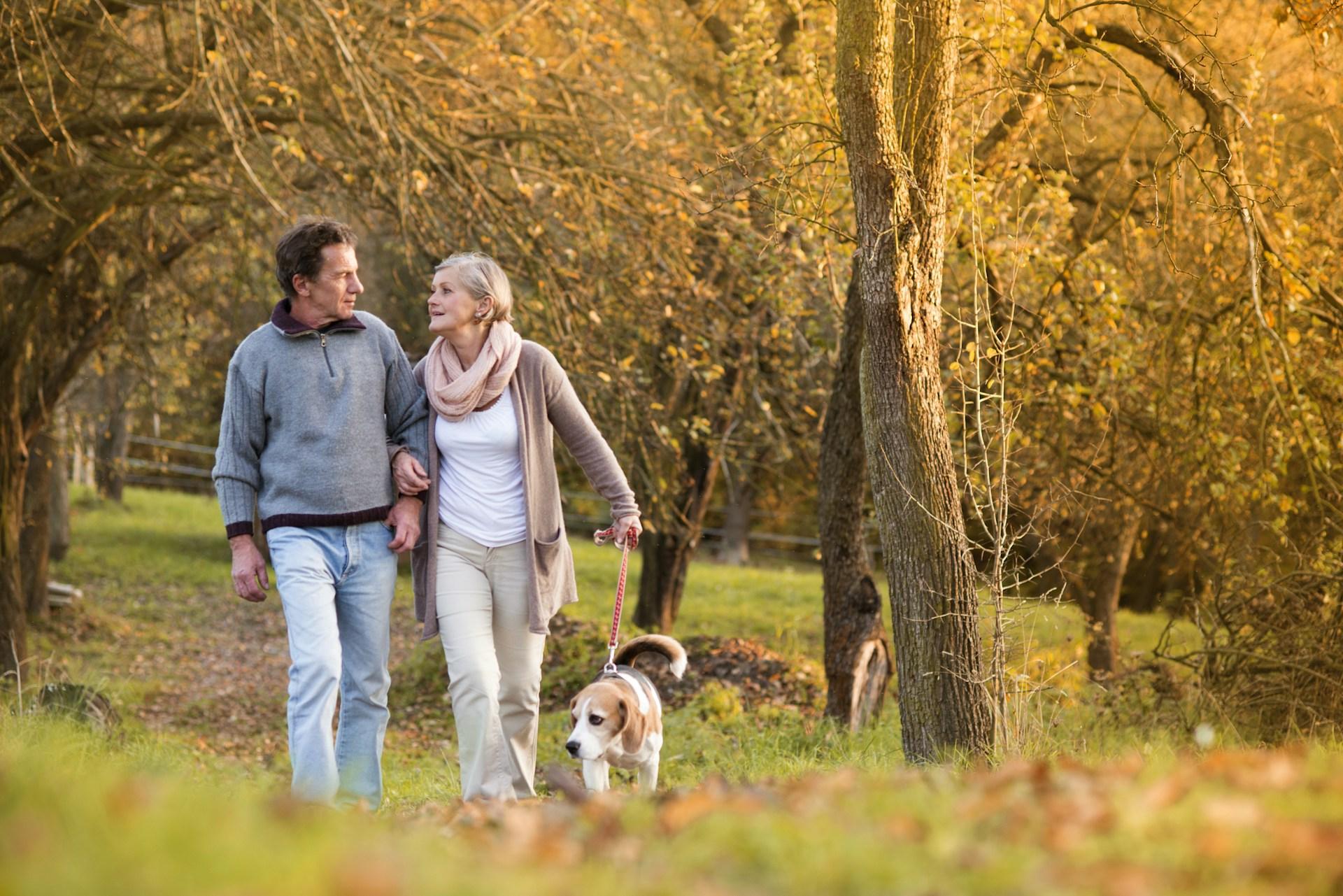
You might be able to walk through a new city for hours without needing to sit down every twenty minutes. You might still feel confident learning a new sport, from cycling to kayaking or even dancing. You might have the stamina to join a community garden, volunteer at a shelter, or take care of grandchildren without feeling completely drained. In short, earlier retirement shifts more of your healthier years into a time when your days are no longer owned by a company. That combination of time and relative vitality is where many of the benefits live.
Relationships also look different when you are not constantly negotiating with work for a few scraps of attention. Throughout our careers, many of us unintentionally place the people we care about in second place. We miss school events because of meetings, we cut calls with parents short because of deadlines, and we rush through dinners because we still have emails to answer at night. By 58, your children might be older, your parents might be aging, and your friendships might have become thinner from years of postponing quality time. Retiring earlier allows you to gently flip that order.
Instead of trying to squeeze your loved ones in around work, you can let relationships reclaim the center of your life. You can show up for weekday breakfasts with your partner without checking the time every ten minutes. You can help a sibling through a difficult period with more than just hurried messages on your phone. You can be the grandparent who is actually present, not just sending gifts from a distance. It is often in these small, unglamorous moments that people feel the deepest sense of connection and meaning. Retiring at 58 does not magically fix every relationship, but it gives you the one resource that relationships need most, which is undivided time.
Another quiet benefit of retiring earlier lies in how it reshapes your sense of self. For many people, work is not just something they do. It is who they are. Job titles become shorthand for identity. Promotions and performance reviews become signals of worth. Leaving that world is not always easy, especially when society still tends to admire people who work longer and appear constantly in demand. Choosing to retire at 58 can feel like stepping out of a story that everyone else is still committed to reading.
Yet that step can also be a powerful act of self definition. It is a way of saying that you are more than your role on an organisational chart. It invites you to explore other parts of your identity that might have been in the background for years. Perhaps you used to love painting, writing, or playing music, but those hobbies never stood a chance against late nights at the office. Maybe you always wanted to mentor younger people outside your industry, volunteer with animals, or learn more about local history. Without the constant pull of work, you have the chance to rediscover or reinvent yourself in ways that are not tied to productivity metrics.
Of course, it would be unrealistic to talk about retiring at 58 without addressing money. Financial security is one of the biggest reasons people hesitate to leave work, even when they feel emotionally and physically ready. Many grew up with strong messages about staying in a stable job. Some watched their parents struggle and internalised the belief that leaving a well paying role early is irresponsible. Others simply worry that their savings will not stretch far enough if they stop working before the official retirement age.
These concerns are valid, and not everyone has the freedom to act on the desire to retire early. The ability to step back from full time work at 58 often depends on factors like previous income, savings habits, debts, family responsibilities, healthcare access, and housing costs. It is important to be honest about that. At the same time, the modern idea of retirement is evolving. Instead of seeing it as a clean break where you go from full time work to zero income, some people choose a blended path. They retire from demanding or stressful roles but continue with lighter, more flexible work.
This might mean consulting a few days a month, tutoring, taking on freelance projects, or working part time in a field they enjoy. That smaller stream of income can help top up savings, delay the need to draw down on certain accounts, or simply cover day to day expenses. It can also provide structure and social contact without dragging them back into the exhausting patterns of their previous career. In this way, retiring at 58 does not always mean disappearing from the world of work. It can mean redefining what work looks like and how much power it holds over your life.
The digital world adds another layer to this transition. Once, leaving a job meant slowly fading out of professional networks. Now, many retirees stay active online, sharing their expertise, joining interest based communities, or even starting small online businesses. Some use platforms to teach skills they gathered over decades, from cooking to coding. Others create content around travel, crafts, or personal growth. The point is not to chase followers or fame, but to stay intellectually engaged and connected. At the same time, retiring earlier also gives people permission to unplug from the relentless cycle of work related notifications and performance updates. They can delete certain apps, mute endless group chats about targets, and choose a calmer digital rhythm.
There is an emotional adjustment curve that comes with all these changes. Many new retirees discover that the first months feel surprisingly disorienting. Without meetings and deadlines, time can feel strangely wide and undefined. People who have spent years being needed by colleagues and clients can feel invisible at first. Friends of the same age may still be deep in their own careers, with limited bandwidth to meet up during the week. Loneliness and uncertainty are realistic parts of the early retirement experience, and retiring at 58 simply means you are meeting them a little sooner.
However, for many, this discomfort gradually softens into something quieter and more grounded. Routines begin to form. Morning walks, regular exercise, language classes, art groups, or volunteering slots act as anchors. New friendships can build around shared interests rather than shared employers. Old colleagues may remain in your life, but the dynamics change. You meet for lunch not to talk about office politics, but to catch up as humans, not job titles. As the weeks and months pass, the question at the center of your days slowly shifts from "What does my company need from me?" to "What matters to me now?"
This shift might be the deepest benefit of all. Retiring at 58 gives you a longer stretch of life in which your goals are not primarily defined by external expectations. It offers time to explore forms of contribution that feel more aligned with your values, whether that looks like caring for family members, supporting a cause, creating art, learning new skills, or simply living with more presence in your own daily life. It invites you to value rest not as something you earn only after exhausting yourself, but as a normal, necessary part of being human.
Choosing to retire at 58 will never be a one size fits all answer. For some, it will not be financially or personally workable. For others, it may feel too early because they genuinely love their work and draw energy and community from it. But for many people who feel worn down by years of pressure and increasingly question whether the traditional timeline still fits them, it can be a thoughtful, intentional option. It is not an escape from responsibility as much as a rebalancing of priorities.
In the end, the question is less about whether 58 is the perfect age and more about how you want to use the healthiest, clearest, most awake years you still have. Retiring at that age can be beneficial because it hands you back a portion of your life while you still have the strength and curiosity to shape it. It gives you more mornings that begin without an alarm, more afternoons that are not owned by meetings, and more nights where your mind can settle without racing through tomorrow’s tasks. It opens a door to a second adulthood where your time feels more like it belongs to you, and where the next chapter is not an afterthought but a life stage worth planning for in its own right.
 WhatsApp
 Instagram
 Threads