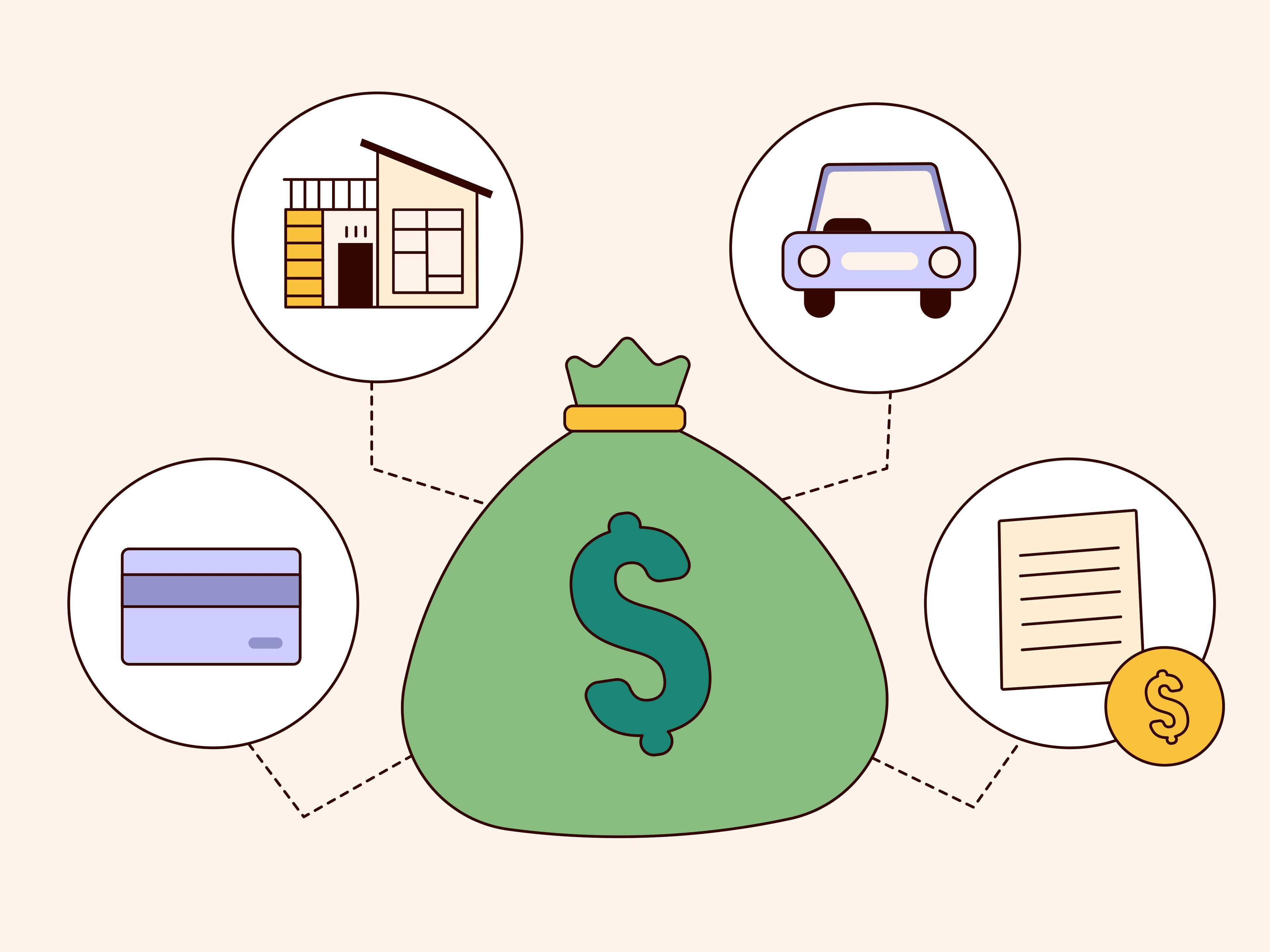
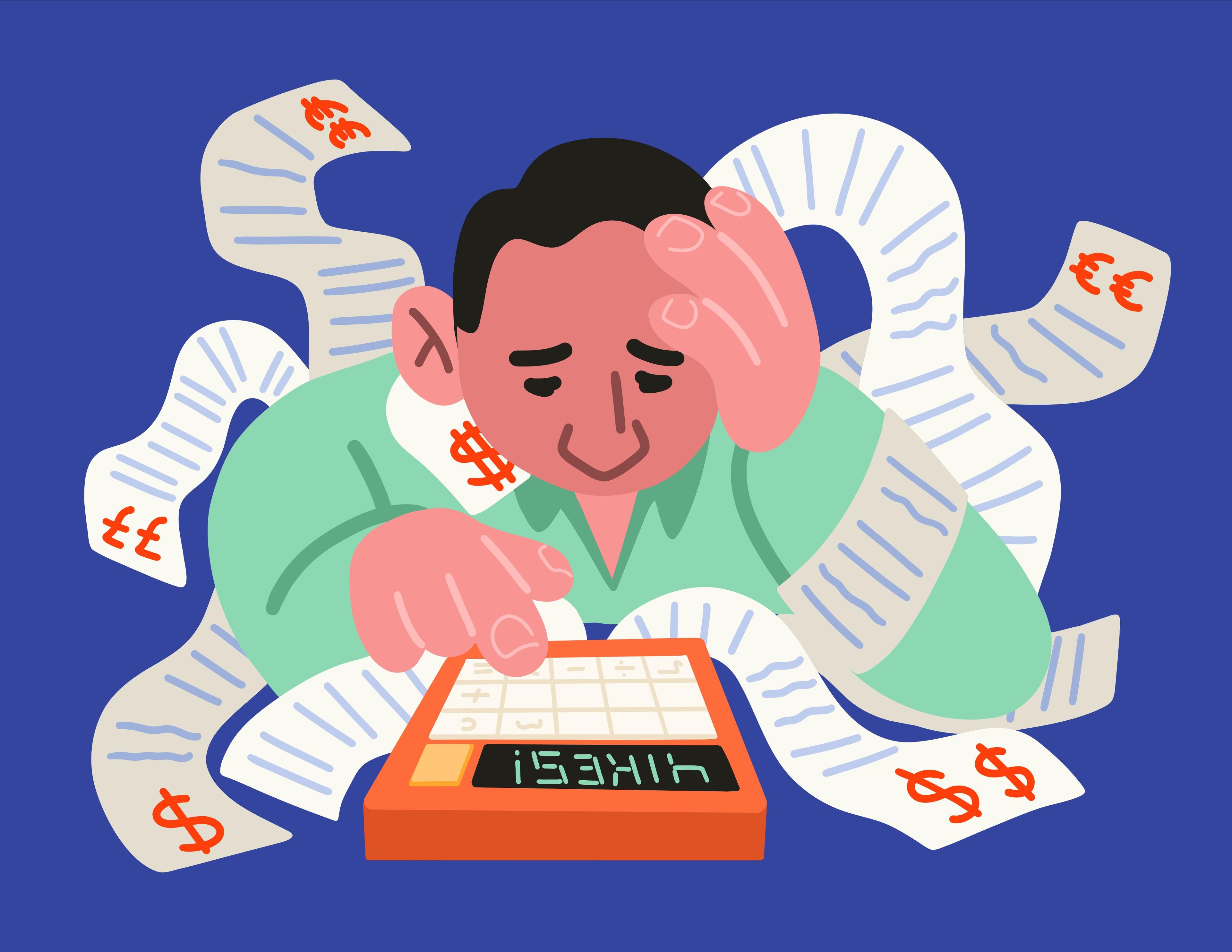
Gen Z is facing higher bankruptcy risk because the financial ground under young adults has shifted in a way that makes small problems grow quickly. This is not simply a story about careless spending or poor discipline. It is a story about how expensive life has become, how easily debt is now offered, and how little breathing room many young people have when something goes wrong. When the cost of staying afloat rises faster than stable income, bankruptcy becomes more likely, not because someone “failed,” but because the system stops being repairable.
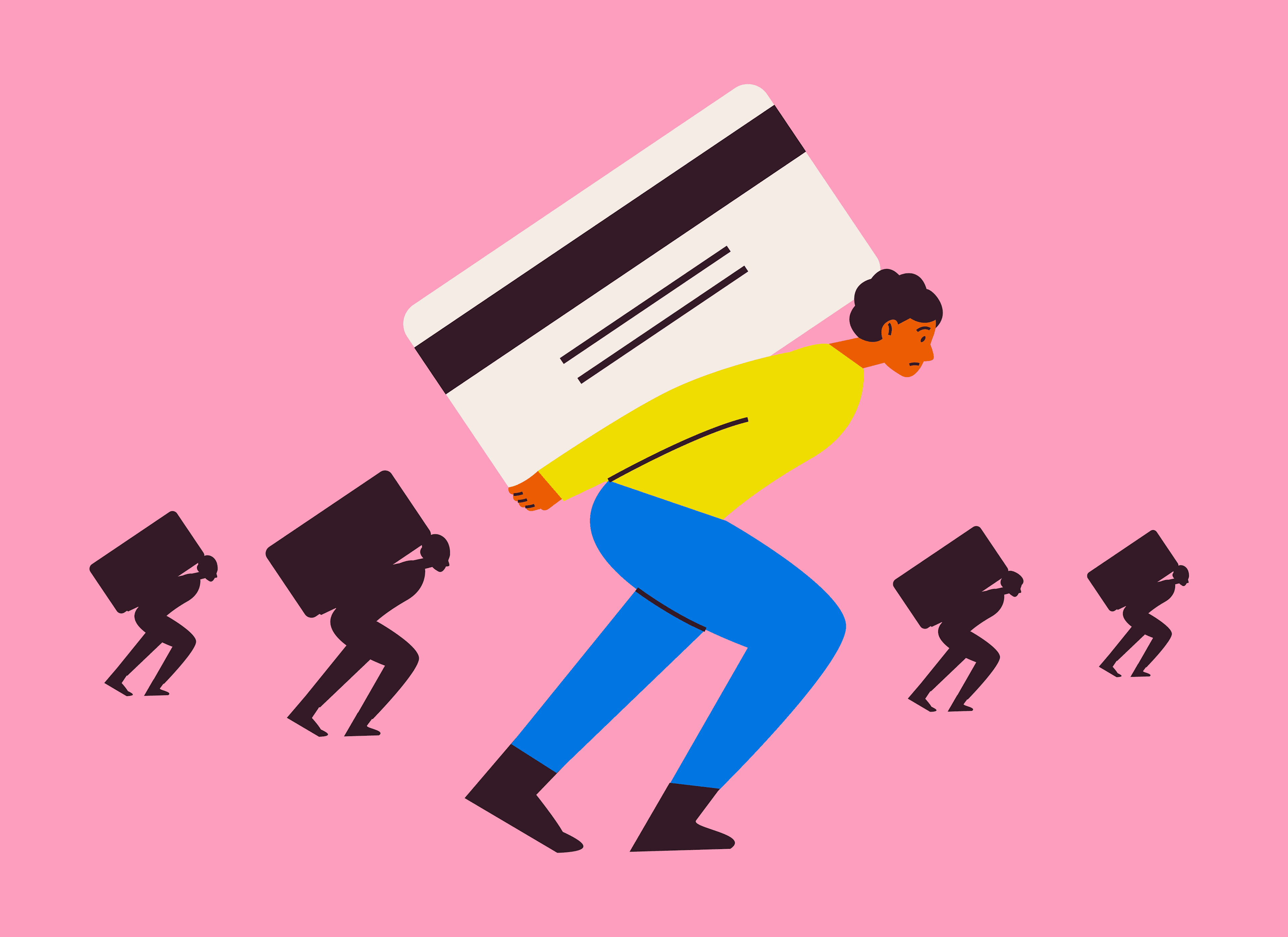
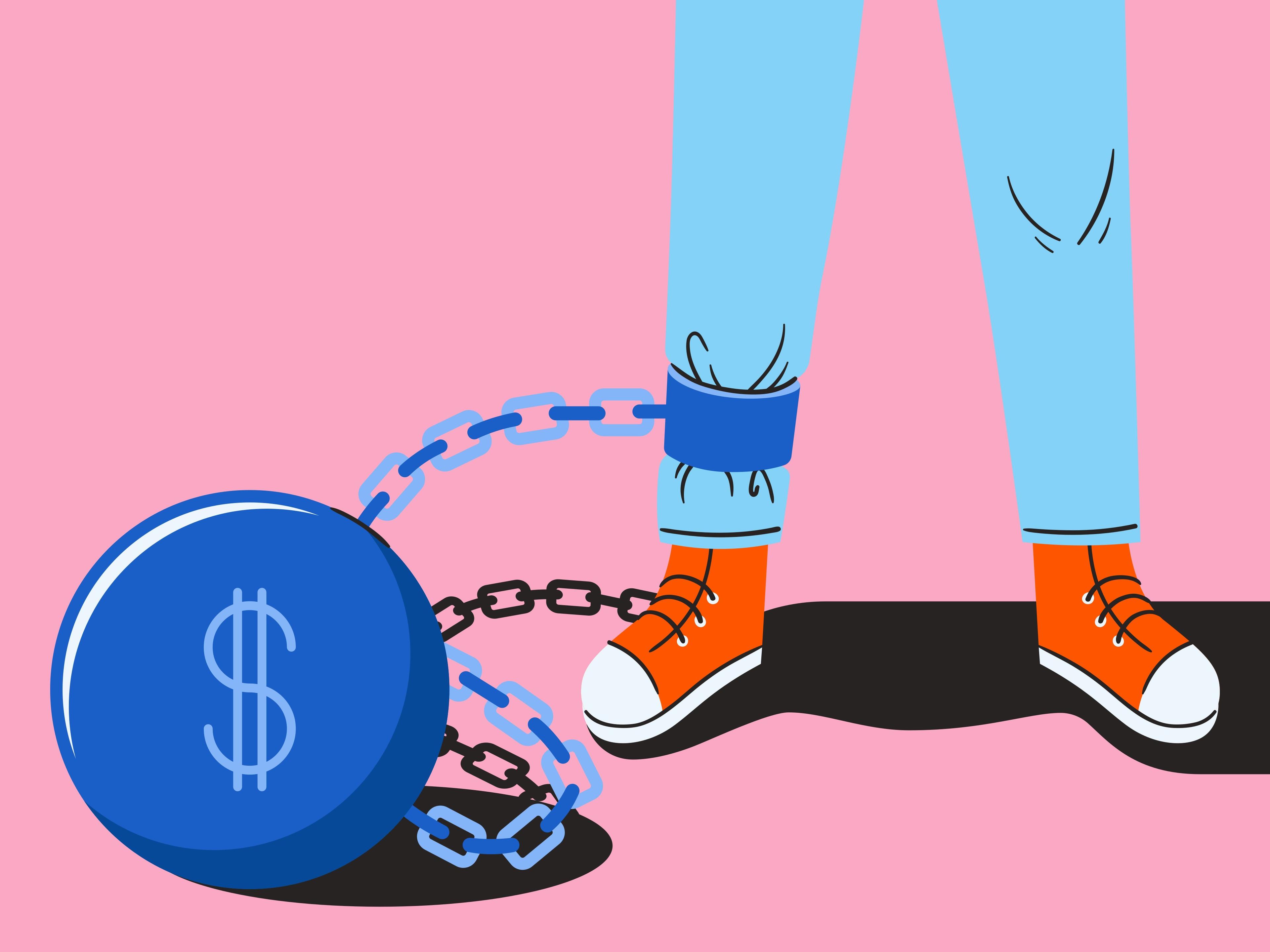
One major driver is the growing cost of borrowing. Credit cards, personal loans, and other forms of consumer credit have become significantly more expensive in a higher interest rate environment. For a young borrower who is still building credit, the difference between a manageable balance and a crushing one can be the interest rate alone. High APRs make minimum payments feel like running in place. Even when someone pays every month, a large portion of that payment can go toward interest instead of principal. The result is slow progress, rising frustration, and a greater chance of falling behind the moment an emergency hits.
At the same time, the everyday cost of living has increased. Rent, food, utilities, transportation, and insurance have all pushed budgets tighter for many households, and young adults are often the least able to absorb those increases. In earlier generations, it was easier to cut spending and rebuild savings after a difficult period. Now, many Gen Z workers are already spending close to the minimum required to live, especially in cities where jobs and schools are concentrated. When someone’s baseline expenses are high, they do not have much flexibility. A single unexpected expense can force them to use credit, and repeated reliance on credit can turn temporary stress into long-term damage.
Student loans also play a major role. For borrowers who relied on payment pauses and temporary relief, the return of monthly student loan obligations can create a sharp financial shock. A new bill does not arrive in isolation. It competes with rent, groceries, and other debt payments. If income does not rise at the same time, something else must give. Many young adults respond by stretching credit card balances or taking on short-term financing to cover gaps. Over time, those gaps can become chronic, and the growing pile of required payments can push a borrower toward delinquency, collections, and eventually bankruptcy.
Gen Z is also more vulnerable because many are still building their credit profiles. A thin credit file can be unforgiving. A late payment, a high utilization ratio, or a sudden increase in debt can cause a larger credit score drop than it might for someone with a long history and multiple well-established accounts. Lower credit scores then lead to higher interest rates, reduced access to refinancing, and fewer options during a crisis. This creates a feedback loop where a small setback becomes a lasting disadvantage, increasing the chance that future borrowing costs will rise and recovery will be slower.
Modern payment tools add another layer of risk. Buy now, pay later services and embedded financing have made it easier to split purchases into smaller payments, which can feel harmless in the moment. The problem is that these obligations can stack. One plan turns into several, and each one becomes a required payment that competes with the rest of a person’s budget. More required payments means more chances to miss one. Once a borrower starts juggling multiple due dates across different platforms, cash flow becomes harder to track, and a missed payment can trigger fees, stress, and a cascade of financial consequences.
Income instability is another powerful factor. Many Gen Z workers earn variable income through gig work, shift-based schedules, sales commissions, freelance contracts, or early-career jobs with limited security. Even when someone is hardworking and responsible, variable income makes budgeting harder. A financial plan built on an “average month” can fall apart when the actual paycheck arrives smaller than expected. If there is no emergency fund, credit becomes the natural tool to bridge the gap. But using credit to stabilize income volatility only works temporarily. Over time, interest and fees turn instability into a heavier and heavier burden.
Housing deserves special attention because it is often the largest expense and the least flexible. When rent takes up a large share of income, there is limited room for saving or recovery. A person who has spare room in their budget can catch up after a bad month by cutting back and paying extra later. A person who is already at the edge cannot do that. They carry the shortfall forward, and that shortfall becomes debt. If a second shock appears, like a job disruption, a car repair, or a medical bill, the entire structure can collapse because there is no cushion to absorb it.
Medical and insurance costs can also accelerate this collapse. Even for young adults, unexpected health expenses, dental work, or gaps in coverage can create bills that are large relative to savings. When someone has limited savings, they either charge the cost to credit or fall behind on other payments. Either path increases financial pressure. Skipping insurance to save money may feel necessary in the short run, but it increases the risk of a large, sudden cost that can overwhelm a fragile budget.
Social pressure and digital marketing are subtle but real contributors as well. Gen Z lives in an environment where spending is constantly normalized through social feeds, influencers, and algorithm-driven advertising. The pressure is not just about buying one expensive item. It is about adopting a lifestyle expectation that is out of sync with early-career income. When purchases become tied to identity or belonging, cutting back feels emotionally difficult, and debt becomes a bridge between what someone earns and what they feel expected to maintain.
Ultimately, bankruptcy risk rises when required monthly payments grow faster than stable monthly income. Gen Z is more exposed because many of the modern forces pushing payments upward are hitting at the same time. Higher interest rates make debt harder to escape. Higher living costs reduce savings. Student loan obligations add pressure. Thin credit histories make mistakes more expensive. New payment tools increase the number of obligations a person carries. Income volatility makes everything less predictable. When these factors overlap, the result is not just financial stress. It is a situation where recovery becomes harder with each month, until bankruptcy starts to look like the only reset available. This is why it is important to treat the rise in Gen Z bankruptcy risk as a structural issue, not a character flaw. Many young adults are not taking on debt because they are irresponsible. They are taking on debt because they are trying to survive a higher-cost world with limited financial margin. When that margin disappears, even small disruptions can become the start of a downward spiral.
 WhatsApp
 Instagram
 Threads



.jpg&w=3840&q=75)