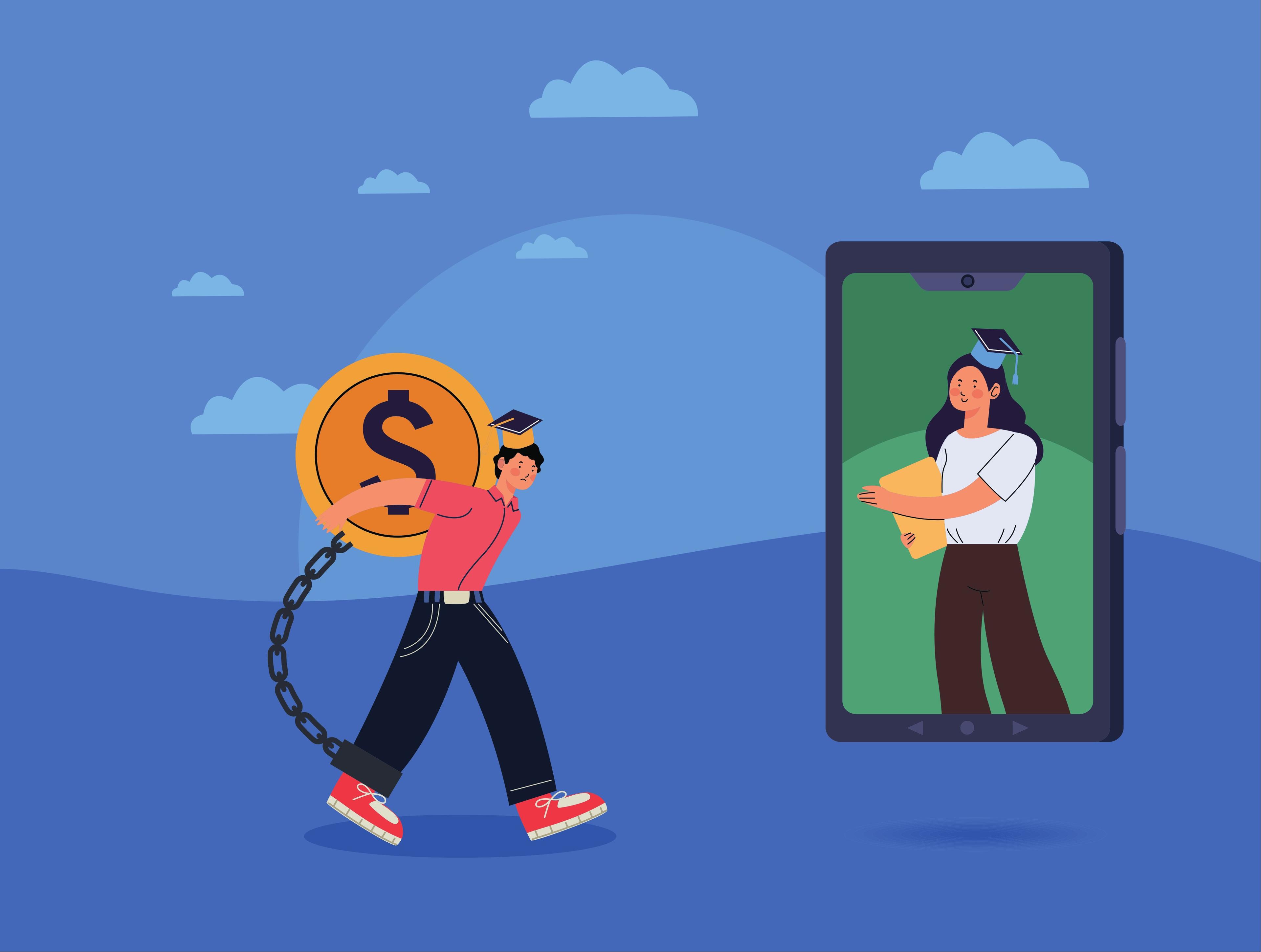
A low credit score looks like a small detail on paper, but in real life it can shape an individual’s financial options in ways that ripple through almost every major decision. It affects not only the ability to borrow money, but also the cost of borrowing, the ease of accessing everyday services, and the freedom to make choices that improve long term stability. In many systems, a credit score functions as a shortcut for trust. It compresses a person’s payment history and credit behavior into a single signal that lenders, landlords, insurers, and service providers can quickly interpret. When that signal is low, the assumption is that the person carries higher risk, and higher risk almost always translates into higher costs or tighter restrictions.
The most direct financial impact is the way a low credit score raises the price of credit. Loans and credit cards are typically priced by risk tier, meaning the interest rate and terms are adjusted based on how likely a borrower is to repay on time. A person with a low score may face higher interest rates, smaller approved amounts, or harsher terms such as shorter repayment periods and more fees. In some cases, the application is rejected entirely. Even when approval is granted, the cost difference can be significant enough to change whether a monthly payment feels manageable or suffocating. The result is that the same product, whether it is a car loan, a personal loan, or a mortgage, can become far more expensive for someone with weaker credit.
Beyond the interest rate, a low credit score can create an upfront cash burden that many people do not anticipate. Landlords may request larger security deposits, require a guarantor, or choose another tenant. Utility companies and telecommunications providers may demand deposits before turning on electricity, water, internet, or mobile plans. None of these situations are technically “loans,” yet they still involve a judgment about trust and reliability. For an individual, this can mean tying up cash that could otherwise be used for moving expenses, emergency savings, debt repayment, or daily essentials. In that way, a low score does not only make money more expensive, it can also make cash flow harder to manage.
Housing and transportation are two areas where the consequences can quickly compound. When renting is difficult, people may be forced into less desirable locations, less stable arrangements, or more expensive options that accept weaker applicants. When financing a vehicle is costly or unavailable, the person may end up with a higher monthly payment, a less reliable vehicle, or a limited ability to commute for work. These constraints can quietly influence income potential, job access, and the ability to pursue better opportunities. The financial harm is not always dramatic in a single moment, but it builds through lost flexibility and reduced choice.
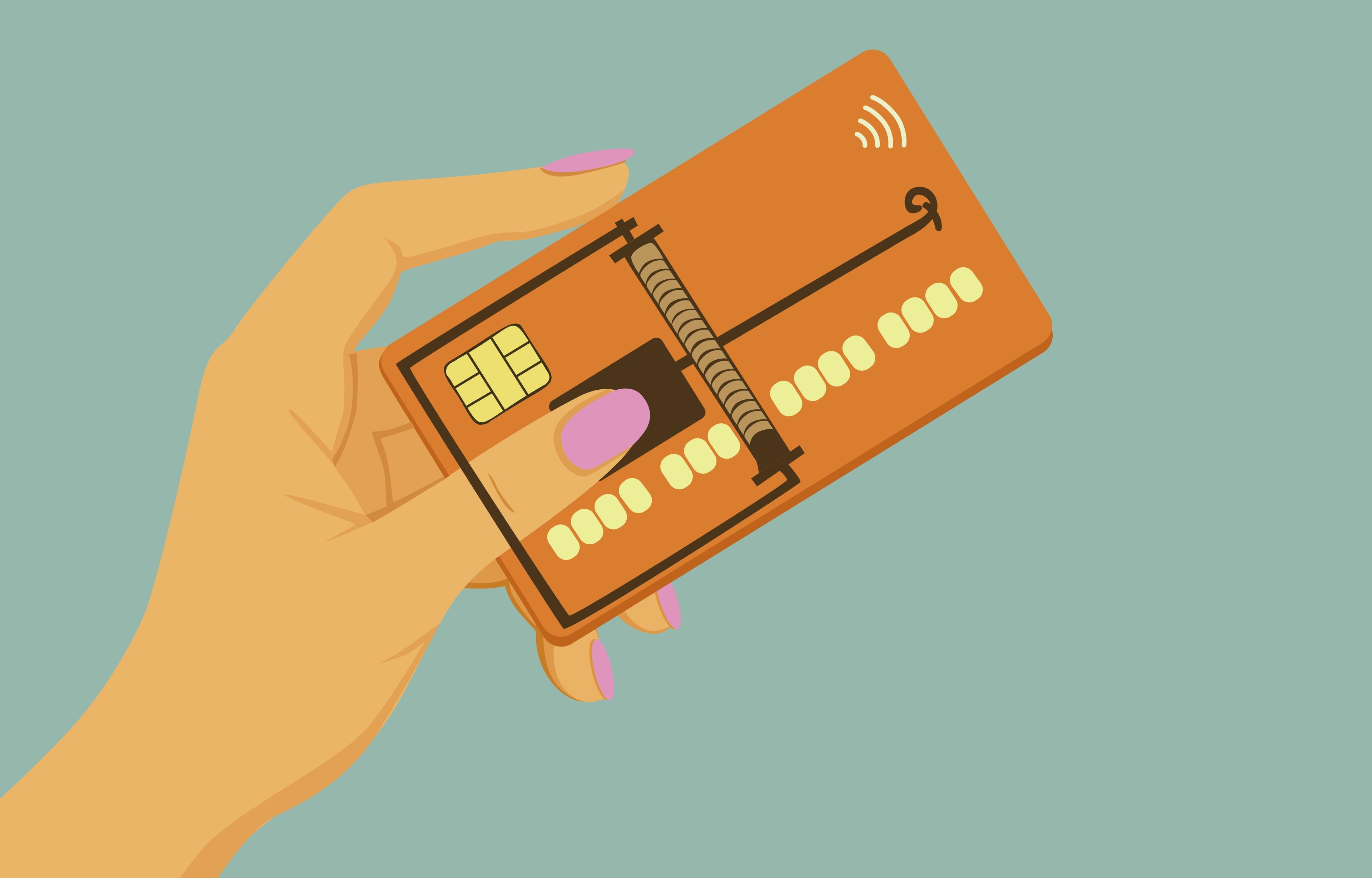
A low credit score can also push individuals toward financial products that solve short term problems while worsening long term outcomes. When mainstream lenders turn someone away, the market often offers alternatives, but these alternatives may come with steep fees and punishing interest rates. Predatory or high cost options can trap borrowers in a cycle where repayment becomes difficult, balances linger, and future borrowing becomes even more expensive. The individual is not only paying for money, but paying for the perception that they are risky, which in turn makes it harder to escape that category.
There is also an opportunity cost that does not show up clearly on a statement, but is financially real. A person may avoid moving to a better job location, hesitate to take a career risk, or postpone major life steps because they know a credit check could block them. They may spend more time negotiating payment plans, searching for alternatives, or managing the stress of limited options. That time and stress can affect decision making, leading to choices that prioritize immediate relief over long term health. In this sense, a low credit score can become more than a financial metric. It can become a constant pressure that shapes behavior.
What makes this especially frustrating is that credit scores often fail to capture context. A rough season caused by medical bills, job loss, family emergencies, or unexpected expenses can leave long shadows on a report even after the person’s situation improves. Credit systems are designed to measure patterns, not explanations, and patterns are what businesses use to price risk. This means the financial consequences of a low score can continue even after the original hardship has passed, creating a lag between recovery in real life and recovery in access to affordable credit.
Still, credit is ultimately a behavior-based system, which means it can be improved through consistent actions over time. On time payments, manageable balances, stable account history, and cautious applications gradually replace the signals of risk with signals of reliability. While the rebuild is rarely instant, it is typically steady when the underlying habits and financial structure improve. The deeper goal is not simply a higher number, but the return of options. A healthier credit profile restores access to lower rates, reduces the need for deposits, and removes barriers that limit housing, mobility, and opportunity.
A low credit score affects an individual financially because it increases the cost of borrowing, adds friction and deposits to everyday life, and restricts the ability to make choices that lead to better outcomes. It operates like a silent tax, raising prices and shrinking options at the same time. Yet the score is not a judgment of personal worth, and it is not permanent. As financial stability grows and consistent patterns replace past disruptions, the score tends to follow. The real win is not just cheaper loans, but the ability to live with fewer barriers and more control over the direction of one’s financial future.
 WhatsApp
 Instagram
 Threads