


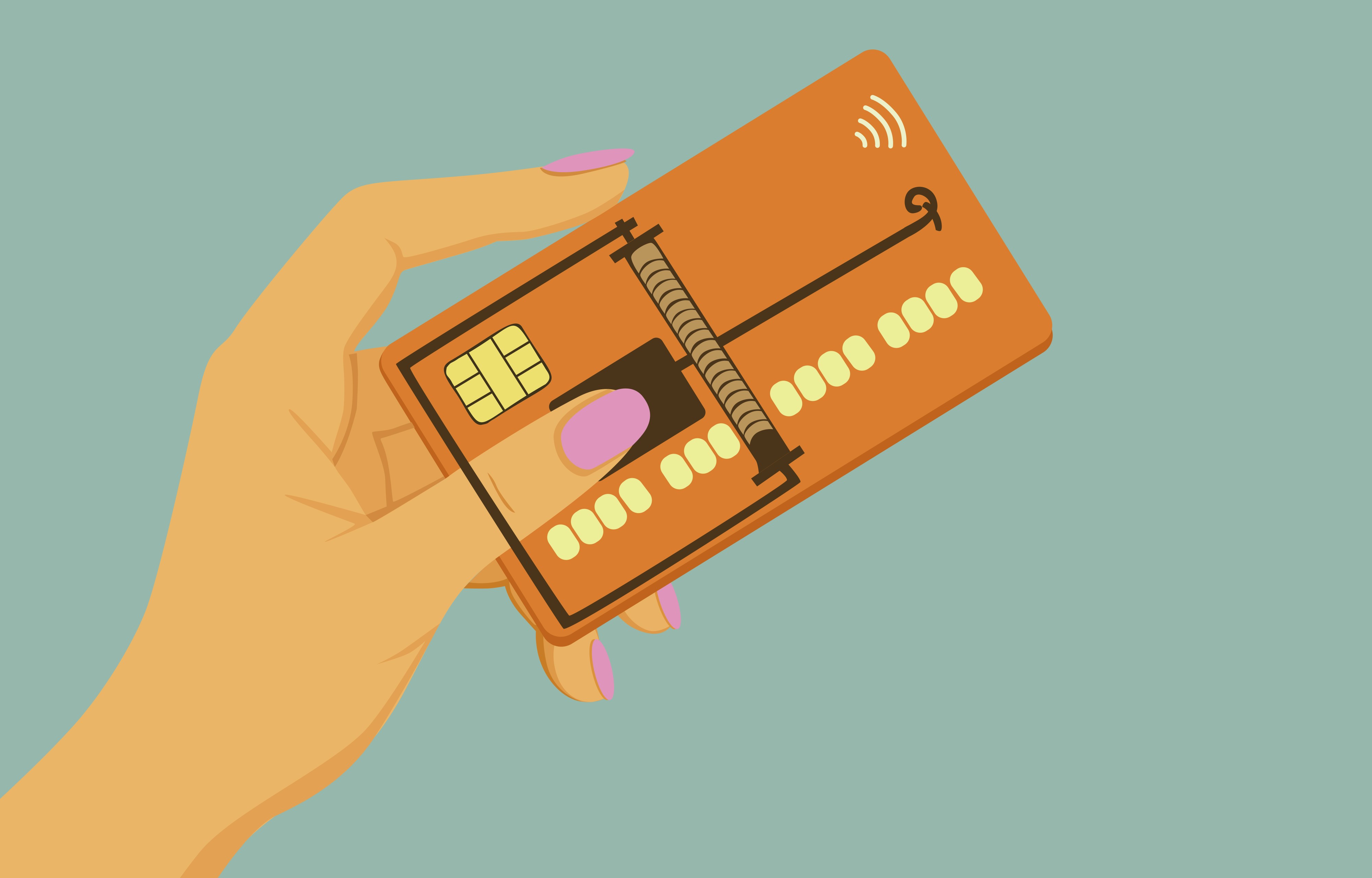
Credit card debt rarely becomes overwhelming because of a single reckless decision. More often, it grows through everyday choices that seem harmless in the moment and only reveal their cost after interest, fees, and timing mistakes begin to compound. Many people intend to use a credit card as a convenient payment tool, yet find themselves trapped in a revolving balance that feels stubbornly permanent. The reason is not a lack of discipline or financial knowledge. The reason is that credit card debt is designed to be easy to carry, and the most common missteps are built into the way the product works. When you understand these patterns, the problem stops feeling mysterious and starts looking like a system you can change.
One of the biggest mistakes is treating the minimum payment as if it were a repayment strategy. Minimum payments are not calculated to help you become debt free quickly. They exist to keep the account current and protect the lender from immediate default. When you pay only the minimum, a large portion of your money goes toward interest and fees, leaving very little to reduce the principal. This creates a psychological trap. You see yourself paying every month, so you assume you are progressing. But the balance declines slowly, and in some cases barely at all. Over time, the debt becomes normalized, and what began as a temporary shortfall turns into a long-term monthly obligation.
Another common mistake is trying to pay down the card while continuing to use it for everyday spending. This creates the illusion of repayment without the reality of reduction. If you pay a few hundred ringgit and then charge groceries, fuel, subscriptions, and small purchases back onto the same card, the balance can remain stuck. The problem is not that you are irresponsible. The problem is that the card has become a substitute for cash flow. You are using high-cost credit to finance ordinary life while hoping repayment alone will solve the issue. Until spending is separated from repayment, the balance often behaves like a treadmill: effort is real, but forward movement is limited.
Late payments are another mistake that people often underestimate. Missing a due date is not just an inconvenience that leads to a penalty fee. It can trigger a chain reaction that makes the debt harder to manage. Fees add to the balance, interest continues to accrue, and depending on the lender’s terms, you may lose promotional rates or face higher pricing. More importantly, late payments disrupt your financial rhythm. Once you are behind, you tend to stay behind, because each month becomes a catch-up exercise rather than a planned routine. Credit card debt is unusually sensitive to timing, which is why relying on memory or good intentions can be risky. Predictability matters more than motivation.
Many people also fail to understand the true cost structure of their debt. They focus on the total balance but ignore how interest and fees are applied. Promotional rates may apply to balance transfers but not to purchases. Cash advances can accrue interest immediately and often at a higher rate than regular spending. Certain fees repeat and quietly inflate the balance, acting like an invisible interest charge. Without clarity on what is costing the most, it becomes easy to make repayment decisions that feel productive but are not efficient. Debt does not respond to effort alone. It responds to targeting the most expensive parts first and reducing the principal in a meaningful way.
Balance transfers are frequently misunderstood for the same reason. A promotional period can be helpful, but only when it is paired with a clear plan to repay the transferred amount before the offer ends. Many people transfer a balance, feel relief because the interest pressure is temporarily removed, and then slow down their repayments. The debt is still there, but the urgency fades. When the promotional period expires, the interest rate can jump sharply, and the borrower is left with the same principal plus the added weight of transfer fees and time lost. The transfer itself is not the mistake. The mistake is treating the transfer as a solution instead of treating it as a short window to execute a repayment plan.
There is also a mistake that sounds responsible but often keeps people stuck: paying a random amount above the minimum without a clear timeline. People know minimum payments are a trap, so they choose an amount that feels reasonable, perhaps whatever is left after bills. The problem is that repayment needs to be anchored to an outcome. If you do not define how quickly you want the debt gone, it is easy to pay modestly for years. Credit card debt is expensive because interest accumulates month after month. A payment amount that is not linked to a payoff horizon can unintentionally become another form of minimum payment, just dressed up with a little extra effort.
Fees, too, are frequently treated as minor annoyances rather than structural obstacles. Annual fees, late fees, foreign transaction charges, and other costs add up, especially when they are carried on top of a balance that is already accruing interest. When someone is trying to get out of debt, recurring fees slow progress because every additional charge increases the principal that future payments must overcome. Even small fees matter because the borrower is not simply paying them once. They are often paying interest on them as well.
Cash advances represent one of the most damaging mistakes because they appear to solve an immediate problem while creating a long-term one. People take cash advances when they are short on money, but these transactions often come with higher interest rates and begin accruing interest immediately, sometimes with additional fees. What feels like a quick rescue can become one of the most expensive ways to borrow. When cash flow is strained, it is natural to look for an instant fix, yet that instinct can lead directly into the harshest pricing terms a card offers.
Another pattern that keeps debt lingering is spreading repayments too thin across multiple cards without a strategy. Paying small amounts on every account can help avoid delinquency, but it can also extend the payoff timeline dramatically. The more accounts you juggle, the more likely you are to miss a due date, misunderstand a statement, or lose track of where your money is making the most impact. Complexity itself becomes a form of risk. A household that is already under pressure does not benefit from turning repayment into an administrative juggling act.
Modern spending habits introduce additional traps, especially through subscriptions and installment commitments that shrink flexibility. Subscriptions, device plans, and buy-now-pay-later installments are not automatically bad choices. The problem is that they create a rigid monthly expense floor. When your budget becomes crowded with fixed recurring charges, your ability to increase debt repayments disappears. Then, when an emergency happens, the credit card becomes the shock absorber again. This is how debt becomes cyclical. The issue is not a single subscription. The issue is the cumulative loss of breathing room.
At the same time, people sometimes make the mistake of using all their savings to eliminate credit card debt without protecting the buffer that prevents future borrowing. It can be financially logical to use cash to pay off high-interest debt, but if doing so leaves you with no emergency cushion, the cycle may restart quickly. One unexpected medical bill, car repair, or household expense can push you back onto the card. The result is not only renewed debt but deeper discouragement. Sustainable repayment often requires balancing two goals at once: reducing the debt while maintaining enough liquidity to avoid rebuilding it.
Shame also plays a role in delaying solutions. Many borrowers avoid contacting their card issuer because they feel embarrassed or fear judgment. Yet early communication often preserves more options, including hardship arrangements or temporary payment adjustments. Waiting until accounts are already delinquent can reduce flexibility and increase long-term damage. In many financial systems, early intervention is not a loophole. It is a practical step that keeps a problem manageable.
Debt consolidation can create a similar false sense of resolution. A personal loan or restructuring product may lower interest and create a fixed repayment schedule, which can be valuable. But if the borrower consolidates debt and continues using the credit card in the same way, they can end up with two burdens instead of one: a loan payment and a growing card balance. Consolidation is not a cure if the behavior that produced the debt remains unchanged. It works best when paired with rules that prevent new revolving balances from forming.
Ultimately, one of the most common mistakes is relying on occasional bursts of repayment rather than building a stable system. A bonus payment can make a real difference, but credit card interest does not pause between moments of motivation. If your repayment plan is inconsistent, the math tends to win. The most effective approach is not heroic sacrifice. It is repeatable monthly surplus. That surplus can come from reducing expenses, increasing income, or both, but the defining feature is consistency.
Credit card debt becomes manageable when it is treated like a system rather than a personal failure. The most common mistakes happen because the product is easy to use, easy to carry, and costly to extend over time. Once you recognize the patterns, you can respond with structure: reliable payment timing, a repayment amount linked to a timeline, reduced reliance on the card for daily spending, and a buffer that keeps emergencies from turning into new debt. When those pieces are in place, the debt stops feeling like a permanent burden and starts becoming something you can actively and steadily remove.
 WhatsApp
 Instagram
 Threads





.jpg&w=3840&q=75)
-1.jpg&w=3840&q=75)


.jpg&w=3840&q=75)