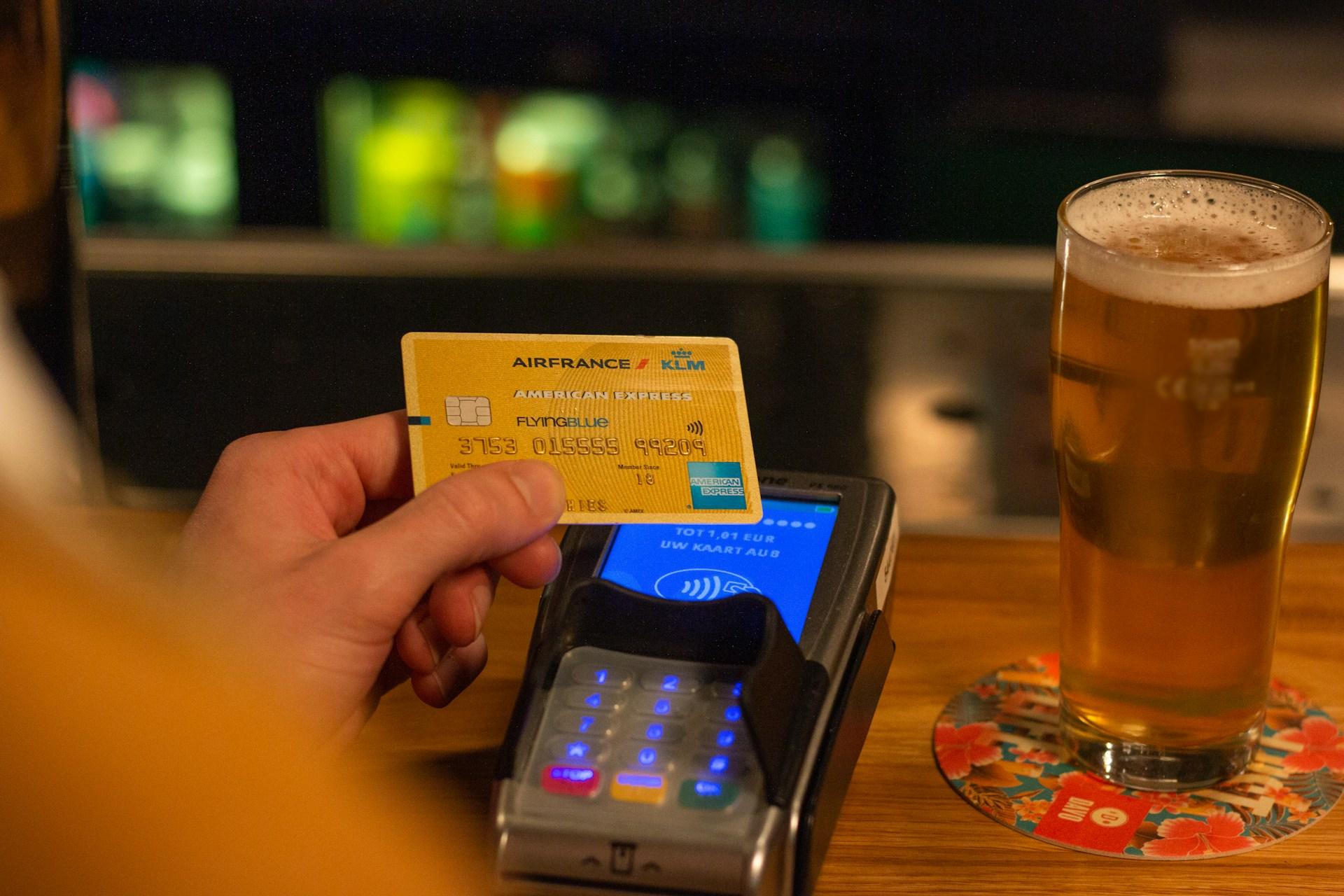
Credit card debt usually does not begin with a dramatic purchase or a single reckless decision. It tends to grow quietly from ordinary moments when expenses arrive faster than income, and the credit card becomes the easiest way to close the gap. A swipe for groceries, petrol, a utility bill, or a last-minute family commitment can feel harmless because the payment does not immediately leave your bank account. Over time, that delay can hide the true cost of daily choices. The card stops being a temporary bridge and becomes a routine way of funding life, and that is when balances start to stick.
One of the most common causes of credit card debt is a cashflow mismatch. Many people earn enough overall, yet their bills do not follow the same schedule as their income. Annual insurance premiums, school fees, festive spending, travel costs, or car repairs can land all at once, while salary arrives monthly in a predictable pattern. When a budget is built around averages, it can look stable on paper and still fail in the weeks when large payments are due. Credit cards are designed to smooth out these timing problems, so they feel like a solution. The problem is that smoothing is still borrowing when the balance is not cleared, and repeated borrowing becomes a long-term obligation.
A second major driver is the lack of a true emergency buffer. Many people believe they have savings, but those funds are often assigned to other goals. Money set aside for a holiday, a home renovation, or a future purchase is not the same as an emergency fund that can absorb an unexpected medical bill, a sudden travel need, or a household breakdown. When a surprise expense appears, using earmarked savings can feel like breaking a promise to yourself, so the credit card becomes the more comfortable option. The result is that the card takes on the role that an emergency fund should have played, and interest becomes the cost of being unprepared for the unpredictable.
Lifestyle inflation is another common pathway into debt, especially when income rises. As people earn more, they often upgrade their standard of living. They move to a more expensive home, dine out more frequently, subscribe to more services, and spend more on convenience. These upgrades are not inherently wrong, but they become risky when they are partly supported by revolving credit. Minimum payments can make a balance seem manageable, which creates the illusion that the lifestyle is affordable. In reality, if a portion of monthly spending depends on carrying a balance, then the lifestyle is being financed, and that creates long-term fragility.
There is also a category of spending that feels occasional but happens repeatedly. Weddings, birthdays, festive seasons, school events, and family obligations often arrive with enough frequency to be predictable. When a budget does not include a realistic allowance for these expenses, they end up on the card. People who are disciplined in the obvious categories like rent and groceries can still fall into debt because they underestimate the social and emotional costs of everyday life. Ignoring these costs does not eliminate them. It simply pushes them into the future, usually with interest added.
Health-related expenses and caregiving responsibilities can accelerate debt quickly. Even when insurance coverage exists, there may be gaps that require out-of-pocket payment. Specialist visits, medication, tests, rehabilitation, and travel related to care can arrive suddenly and in large amounts. When cash is not immediately available, the credit card becomes the fastest way to pay, and often the slowest way to recover financially. In households supporting children, parents, or extended family members, these expenses can become recurring, which makes debt harder to escape unless the broader financial plan is adjusted to reflect those responsibilities.
Job disruption is another major cause. Layoffs, reduced working hours, delayed bonuses, or unstable income for freelancers can turn credit cards into survival tools. The card becomes a bridge until income returns, but income recovery may take longer than expected, while interest begins accumulating immediately. This is why people can feel as though they are working hard to regain stability, yet their debt continues growing in the background. When income becomes uncertain, credit card debt often increases not because of irresponsibility but because the household is trying to maintain basic commitments while waiting for cashflow to normalize.
Beyond life circumstances, the structure of credit cards itself contributes to debt. High interest rates can make balances feel impossible to clear, especially when a large portion of each payment goes toward interest rather than the amount borrowed. Minimum payments are designed to appear affordable, but they can stretch repayment over years, which keeps balances alive. This is why many people pay consistently each month yet see little progress. Without a payment plan that meaningfully reduces the principal, effort turns into maintenance rather than improvement.
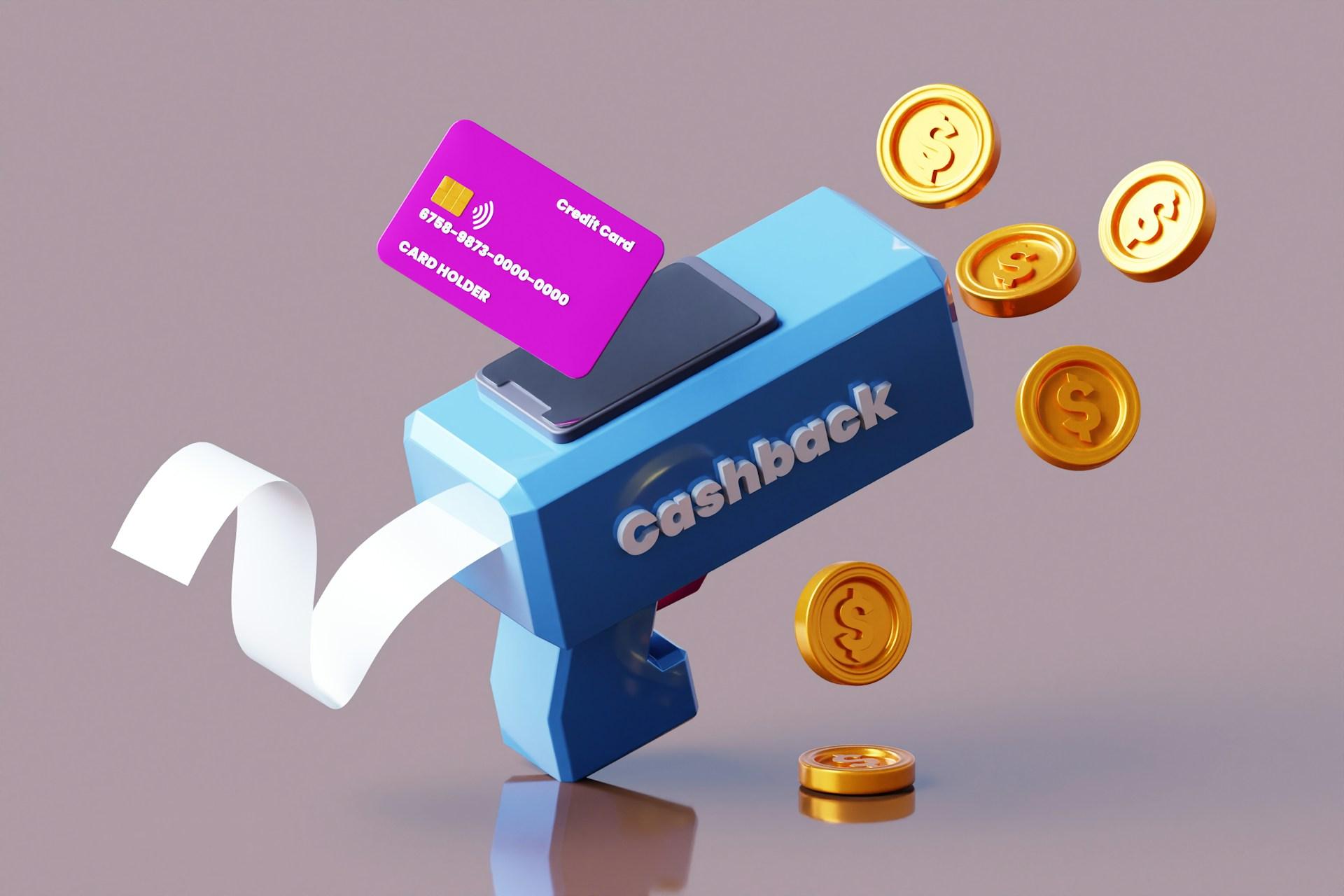
Rewards programs can also encourage spending in subtle ways. Cashback, points, miles, and sign-up bonuses can make purchases feel justified, as if spending is productive because it earns something back. People may spend more to reach a bonus threshold or buy items they would otherwise skip because the purchase feels discounted. When a balance is carried, however, the interest charged usually outweighs any reward earned. In that situation, rewards become less of a benefit and more of a psychological nudge that increases the likelihood of overspending.
Modern repayment ecosystems can further tighten cashflow and push everyday spending onto credit. Installment plans and buy-now-pay-later commitments may be interest-free, but they still reduce monthly flexibility. When too many repayments stack together, households begin using the credit card to cover routine expenses like food and transport. Debt can then spread across multiple products, creating a juggling act of payment schedules and deadlines that increases stress and makes it harder to regain control.
Even when people try to “fix” debt with balance transfers or interest-free promotions, the relief can be temporary if the underlying habits and cashflow structure stay the same. A promotional period may reduce interest, but if repayment slows during that window, the balance can remain large when the promotion ends. The rate then increases again, and the household returns to the same cycle, often with more pressure than before. These tools can help, but only when paired with a clear repayment plan and a real change in spending behavior.
Another cause that is easy to overlook is poor tracking. Many people have a budget in theory, but not a system that reflects reality week by week. Credit cards delay the pain of payment, so it is easy to spend freely while the bank balance still looks healthy. The statement arrives later, and the household feels surprised even though the spending occurred gradually. Without consistent check-ins, people end up budgeting based on what they hope they spend rather than what they actually spend.
Emotional spending also plays a significant role. Stress, burnout, boredom, sadness, celebration, and social comparison can all shape spending decisions. Credit cards make these decisions easier because they remove friction. The goal is not to eliminate enjoyment or punish yourself for wanting comfort. The goal is to make room for the human side of spending, so it does not erupt into financial strain. When small indulgences are planned intentionally, they are less likely to become large unplanned purchases that turn into long-term debt.
Preventing credit card debt, or escaping it once it exists, often requires a shift in thinking. Debt is rarely only about willpower. More often, it is about systems that cannot handle real life. A plan that assumes perfect discipline will fail under ordinary pressures, because ordinary life includes surprises, emotional moments, and social obligations. A more durable plan separates essential expenses from flexible ones and prepares for predictable irregular costs. It also builds a true emergency fund that is unassigned, accessible, and clearly defined as protection against borrowing.
Credit cards work best when they are treated as payment tools rather than financing tools. That means building a habit of reviewing transactions regularly and creating a repayment approach that prevents the balance from growing. For people carrying debt, the priority becomes stopping the balance from increasing while paying it down. This usually requires paying more than the minimum, reducing new credit use where possible, and treating repayment as a fixed expense rather than a leftover decision.
In the end, credit card debt is often the outcome of a mismatch between the life you are living and the cashflow system you have built. The common causes are not always dramatic or irresponsible. They are often ordinary, human, and understandable. What turns them into debt is repetition and the way credit card mechanics amplify small shortfalls into long-term costs. When you identify the triggers that lead you to swipe and the features that keep the balance alive, you can design a plan that supports your real life without sacrificing your future income to interest.
 WhatsApp
 Instagram
 Threads