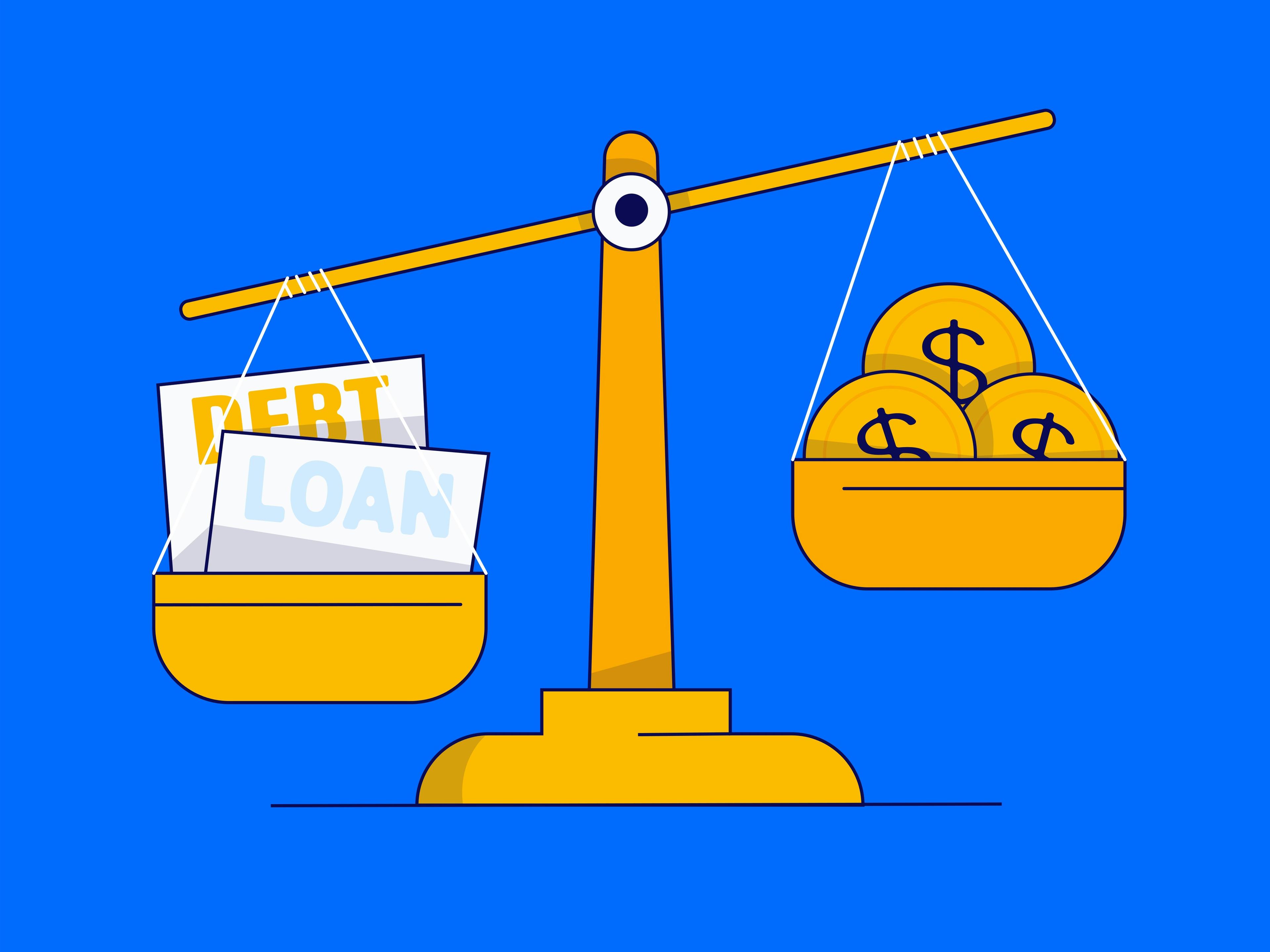
A personal loan often feels straightforward. You borrow a fixed amount, agree to a fixed repayment schedule, and assume that as long as you pay it back eventually, everything will be fine. The problem is that credit scoring systems do not judge you based on good intentions or the idea that you will catch up later. They judge you based on patterns, timing, and reliability. When a personal loan is mismanaged, it creates clear warning signals that can lower your credit score and make future borrowing more expensive or harder to access.
Credit scores exist to estimate risk. Lenders want to know how likely you are to repay what you borrow, and the most powerful evidence is your track record. A personal loan is an installment loan, which means it produces a predictable series of monthly payments. Because the terms are fixed, it is easy for lenders and credit bureaus to see whether you are keeping up with the agreement. When payments are made on time month after month, the loan can support a stable credit profile. When payments are missed or consistently late, the loan becomes proof that you are struggling to manage debt obligations as promised.
The strongest reason mismanagement affects your score is the role of payment history. Most scoring models treat on time payment behavior as their core signal because it reveals whether you can be trusted with credit. One late payment may not be reported immediately if it is only a few days overdue, but once it reaches reporting thresholds such as 30 days late, it can show up as a delinquency. That delinquency can reduce your score, and repeated delinquencies can reduce it further. The longer the delinquency lasts, such as 60 days or 90 days late, the more serious it appears. Even if you eventually repay what you owe, the record of late payments can remain on your credit report for years depending on the rules in your country. The system may view the loan as paid, but it still remembers that you fell behind.
Mismanagement can also harm your credit profile by increasing your overall debt burden and making you appear financially stretched. Even though personal loans do not work like credit cards with revolving limits and utilization ratios, the outstanding balance still matters. A large remaining balance suggests you still carry significant obligations. When lenders review applications, they often look beyond the score itself and evaluate how your monthly commitments compare to your income. If your personal loan payment is high relative to your cash flow, or if the balance stays large because you are only just keeping up, you may appear riskier. That can translate into higher interest rates, lower approval odds, or stricter terms, even if the score impact is not entirely driven by the balance.
The damage becomes much more severe if late payments escalate into default and collections. If a borrower falls far enough behind, a lender may charge off the debt and send it to a collections agency or sell it to a debt buyer. At that stage, the credit report may show a charged off loan, a collection account, or both, depending on reporting practices. Collections are taken seriously by credit scoring models because they suggest the borrower did not simply have a small timing issue, but stopped paying altogether. Settling or paying a collection is usually better than ignoring it, but the existence of the collection record can continue to weigh on credit decisions. Some lenders also use older scoring models that still penalize paid collections, so even repayment after the fact may not fully restore your score in the short term.
Another common way people mismanage personal loans is by trying to fix cash flow issues with more borrowing. When someone misses a payment and feels pressure, they may apply for a new loan, take a balance transfer offer, or use other credit products to cover shortfalls. This can lead to multiple hard inquiries and the opening of new accounts in a short period of time. Hard inquiries can temporarily reduce a score, and new accounts can reduce the average age of credit history, which can also weaken a profile. When these factors appear alongside rising debt and late payments, the overall picture can resemble financial distress. Credit scoring systems are designed to detect that kind of pattern, and lenders interpret it as a higher risk of future missed payments.
Mismanagement also creates problems when borrowers rely on informal fixes that do not align with credit reporting rules. Some people assume they can skip a payment and make up for it the next month by paying extra. While that may help the loan balance, it does not necessarily prevent a late mark if the payment becomes delinquent by reporting standards. Others assume a casual agreement with a lender will protect them, only to realize later that the account was still reported as past due because the arrangement was not officially recorded as a deferment or hardship plan. Credit reporting systems typically respond to documented status updates, not verbal promises or assumptions.
Fees and penalties make the situation even harder to recover from. A missed payment can trigger late fees, and in some cases additional interest costs, which raises the amount you need to catch up. If your loan is linked to automatic payments and your account does not have sufficient funds, you may also face bank charges. This creates a cycle where one missed payment increases your financial strain and raises the likelihood of missing the next payment as well. Over time, what began as a temporary cash problem becomes a recorded pattern, and patterns are what credit scoring models punish the most.
The most practical way to protect your credit score is to treat a personal loan as a priority bill that must be managed before it becomes officially delinquent. If you suspect you might miss a payment, acting early matters more than acting perfectly. Contacting the lender before the due date can sometimes lead to options such as changing the payment date, restructuring payments, or offering temporary hardship support. If you are already behind, the goal should be to understand exactly how late the account is in the lender’s system and what it takes to bring it current. Staying in a rolling late status is often worse than catching up fully, because it can create repeated delinquency reporting and deeper credit damage.
Mismanaging a personal loan affects your credit score because it sends the strongest kind of negative signals that scoring systems and lenders use to judge risk. A personal loan is structured, predictable, and easy to monitor, so missed payments stand out sharply. Late payments can become delinquencies, delinquencies can become collections, and collections can create long term credit barriers. The earlier you address repayment issues, the more likely you are to prevent a short term struggle from turning into years of reduced credit access and higher borrowing costs.
 WhatsApp
 Instagram
 Threads