Buy now pay later, better known as BNPL, has become one of the most tempting checkout options in Malaysia because it feels like a shortcut to affordability. A purchase that might have triggered hesitation suddenly looks manageable when the total is split into smaller payments, framed as quick approvals and smooth installments. The problem is that BNPL does not remove the cost of what you buy. It only rearranges when you feel it. In personal finance, timing is not a small detail. Timing is often the difference between a plan that works and a plan that quietly undermines your cash flow.
To understand the common issues and risks associated with BNPL in Malaysia, it helps to strip away the marketing layer and call it what it is: short term credit packaged as a payment method. Many users do not experience it as borrowing, and that psychological gap is exactly why BNPL can become risky even for people who consider themselves disciplined. When you think of something as spending, you focus on whether you can handle the installment. When you think of something as borrowing, you focus on whether you should take on another obligation. BNPL invites the first mindset, even when the second would be more protective.
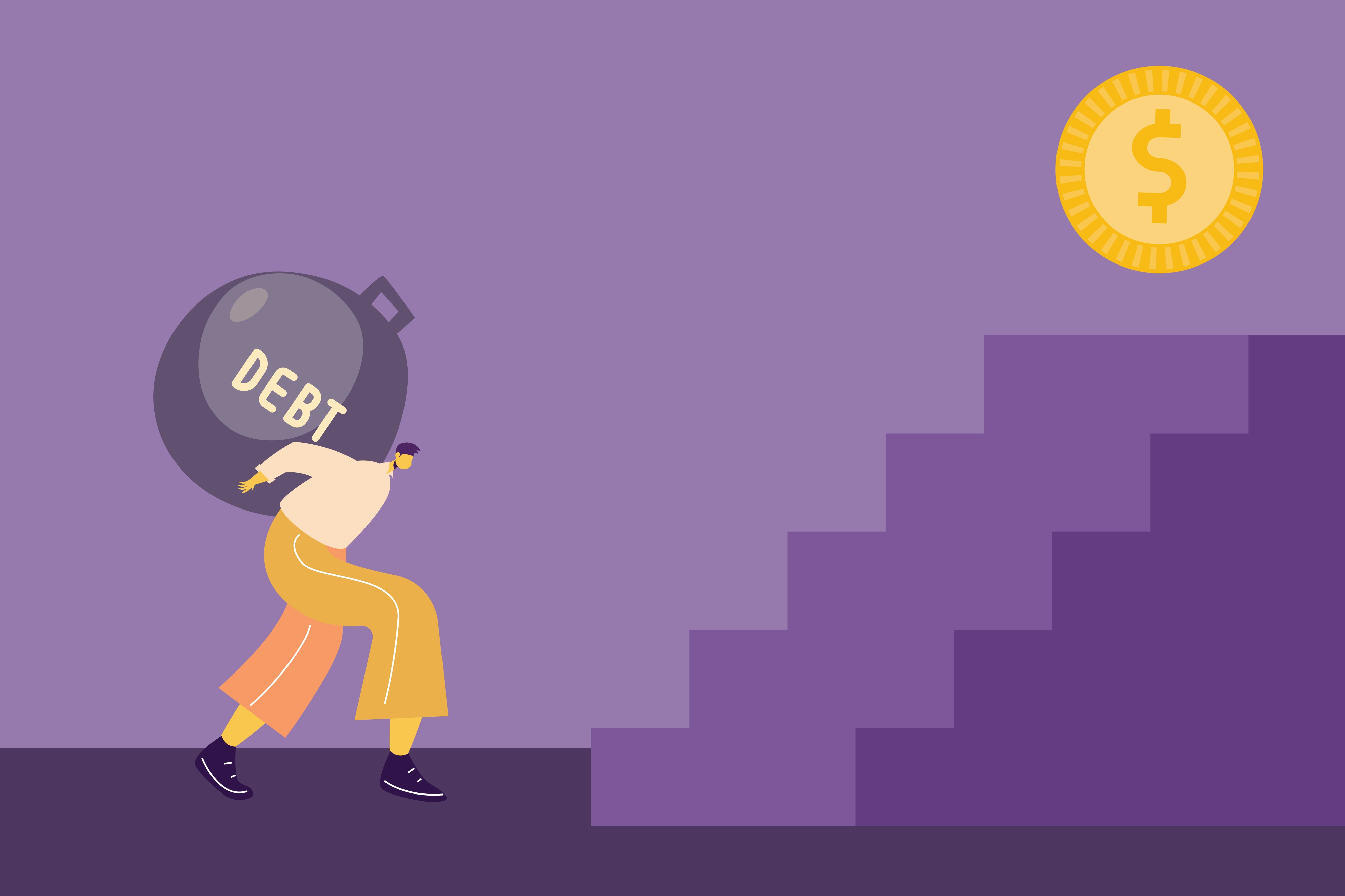
The most common risk is not one huge purchase that goes wrong. It is over commitment that happens in small steps. A single BNPL plan can be perfectly manageable. The danger grows when those plans stack. In Malaysia’s mobile shopping culture, it is easy to have multiple BNPL plans running at the same time across different apps and merchants. Each plan might look small on its own, but together they create a set of fixed commitments that shape your month before you have paid for essentials, saved, or planned for surprises. Many people only notice the weight of BNPL when their salary arrives and feels already allocated.
This leads to a second issue that is very common in real life: reduced flexibility. A good budget leaves room for normal disruptions. Car maintenance, medical appointments, family obligations, school payments, replacing a broken phone, these are not rare disasters. They are predictable expenses that show up at inconvenient times. BNPL reduces your ability to absorb these because it turns future income into scheduled repayments. If your budget already runs close to the edge, even a few installments can crowd out the buffer you rely on for ordinary life events. That is why BNPL often feels fine until a month arrives that is slightly harder than usual. Then the repayments stop feeling like a convenience and start feeling like a constraint.
People often assume the main BNPL risk is interest, because they compare it to credit cards. In Malaysia, many BNPL offerings are marketed as interest free if you pay on time, which can create a false sense of safety. But “interest free” does not mean “cost free,” and it does not mean “consequence free.” The costs often show up through late fees, account restrictions, reactivation charges, or collection processes. In other words, the pain is designed to appear when you slip, not necessarily while you are paying smoothly. That structure can be more dangerous than obvious interest, because it encourages users to treat BNPL as harmless until they hit a rough month. Once you miss a payment, penalties and restrictions can escalate the stress quickly, especially if you have several plans running at once.
Cash flow timing is another risk many Malaysians underestimate. BNPL schedules do not always align neatly with salary cycles. You might be paid once a month, but your installments might be due weekly or on fixed dates that fall before payday. If you are paid biweekly, the timing still may not match. This mismatch creates a subtle problem: a person can afford the purchase in theory, yet still miss a payment because the due date falls at the wrong time. Timing risk becomes even more obvious when refunds and returns are involved. Malaysia’s e-commerce ecosystem can deliver quickly, but dispute handling and refunds can take time, particularly when a marketplace, a merchant, and a BNPL provider are all involved. A user may return an item, but still have an installment deducted before the refund is processed. If the bank balance is tight, that mismatch can trigger missed payments and extra charges, even when the user did the reasonable thing by returning the product.
That brings us to one of the most frustrating BNPL issues: dispute resolution. With credit cards, most consumers have heard of chargebacks and understand that there is a formal process to contest a transaction if something goes wrong. BNPL dispute pathways can feel less straightforward. If a product arrives damaged, if delivery fails, or if the merchant refuses a return, the consumer may feel stuck between the BNPL provider and the seller, each directing the user to the other. This is not merely an inconvenience. It can become a real financial problem when repayments continue while the dispute drags on. Many people end up paying for something they did not properly receive or did not want, not because they agree with the outcome, but because the effort to fight it feels exhausting and uncertain. Over time, that can train consumers to accept poor outcomes and treat disputes as not worth pursuing, which is the opposite of what a healthy consumer credit environment should encourage.
Another risk that deserves more attention is how easily BNPL can spread across platforms. Malaysia’s BNPL ecosystem is not a single provider. A person may use one BNPL option in a popular marketplace, another in a food delivery app, and a third through a wallet ecosystem. Each app displays only its own repayment obligations. Your bank account, however, experiences the total. This fragmentation makes it easy to lose track of the true monthly repayment burden. In traditional borrowing, a major loan is obvious, and it forces a moment of reflection. With BNPL, obligations can be created repeatedly without a strong friction point. If you have ever felt surprised by how little money is left halfway through the month, BNPL stacking could be part of the explanation.
The risk is compounded because BNPL is designed to be easy. Ease is not neutral. Ease is a feature that shifts behavior. When a purchase can be financed in seconds, the decision is less likely to include long-term thinking. BNPL often appears at moments when emotions are high, such as sales, limited time promotions, and social influenced shopping. In those moments, the brain naturally focuses on the deal and the installment amount, not the total commitment and the future month. A person can be financially careful and still be vulnerable to this design, because the system is built to reduce resistance.
Data privacy and behavioral targeting add another layer of concern. BNPL providers can see what you buy, where you buy it, how frequently you use the service, and how reliably you repay. That data can be used for risk assessment, but it can also be used to drive marketing and encourage higher usage. Even if terms are disclosed, most consumers do not read the fine print in full, and many are not sure how their data is being shared across ecosystems. The practical risk is that your spending behavior can shape what is promoted to you, and what is promoted to you can shape what you buy. This creates a loop that is optimized for conversion rather than your long-term financial stability.
In Malaysia, there is also a unique dimension for some users: Islamic BNPL offerings. For Muslim consumers, the question is not only affordability but also whether the structure aligns with Shariah requirements. The presence of Shariah frameworks and rulings is a sign that the market is trying to meet demand responsibly, but it does not eliminate personal finance risk. Even when a BNPL facility is structured to meet Shariah standards, the user still faces timing risk, repayment obligation risk, dispute risk, and the basic danger of over commitment. “Compliant” does not automatically mean “safe.” It means the structure aims to align with certain principles, but users still need to understand triggers, fees, and what happens when they miss a payment.
It is important to acknowledge that Malaysia has been moving toward clearer oversight for consumer credit, including BNPL. This direction matters because stronger standards can improve transparency, strengthen conduct expectations, and reduce the worst behaviors in the market. But from a personal finance perspective, regulation is only part of the story. Rules can make products fairer, yet no rule can protect an individual from using credit repeatedly to fund lifestyle spending without a buffer. The most serious BNPL risk is not only whether a provider behaves well. It is whether the user’s cash flow is being stretched in a way that leaves no room for normal life.
So how should Malaysians think about BNPL in a way that is realistic and calm? The most useful shift is to stop treating BNPL as a special category and start treating it like any other debt obligation. If you would not take a short term loan for a non essential item, then BNPL should trigger the same caution. If you are using BNPL for convenience, not necessity, the safest version is when you could pay the full amount today without touching your emergency fund, without sacrificing next month’s essentials, and without losing your ability to handle a surprise expense. BNPL works best as a timing tool for a planned purchase, not as a bridge for an unplanned lifestyle.
Before confirming a BNPL purchase, it helps to ask yourself three questions. First, if you had to pay the full amount today, would it damage your essentials or emergency fund? If the answer is yes, the purchase is not truly affordable, and BNPL is being used to hide that fact. Second, will the repayment schedule still be comfortable in a normal difficult month, a month where something unexpected happens but not catastrophic? If your budget cannot handle a slightly tougher month, it is too fragile to add fixed repayments. Third, if the product disappoints you or the merchant makes a mistake, do you have a clear path to resolution that does not leave you paying while you chase answers? This third question matters more than people expect, because disputes are where hidden gaps show up.
BNPL is not automatically harmful. It becomes harmful when it stops being boring. A boring BNPL use is occasional, planned, and supported by a budget that already has a cushion. Risky BNPL use is frequent, impulsive, and stacked across multiple apps in a way that makes total obligations hard to see. If you want to reduce BNPL risk, start with visibility. Know how many active plans you have, the total you owe across all providers, and the exact dates the payments are due. If you cannot see it clearly, you cannot manage it well.
In the end, BNPL risk in Malaysia is less about one dramatic mistake and more about small decisions that quietly reshape your month. When repayments become routine, your future income becomes pre committed, and your ability to respond to normal life expenses shrinks. When disputes become complicated, you may keep paying while trying to fix a problem that should not have been yours to coordinate. When data and marketing nudge usage higher, the system can pull you toward more commitments than you intended. The healthiest relationship with BNPL is one where you stay in control of timing instead of letting timing control you. That means using BNPL only when it truly fits your cash flow, understanding the consequences when something goes wrong, and keeping your obligations visible so they do not grow in the shadows. This article is for general education and is not financial advice.
 WhatsApp
 Instagram
 Threads