


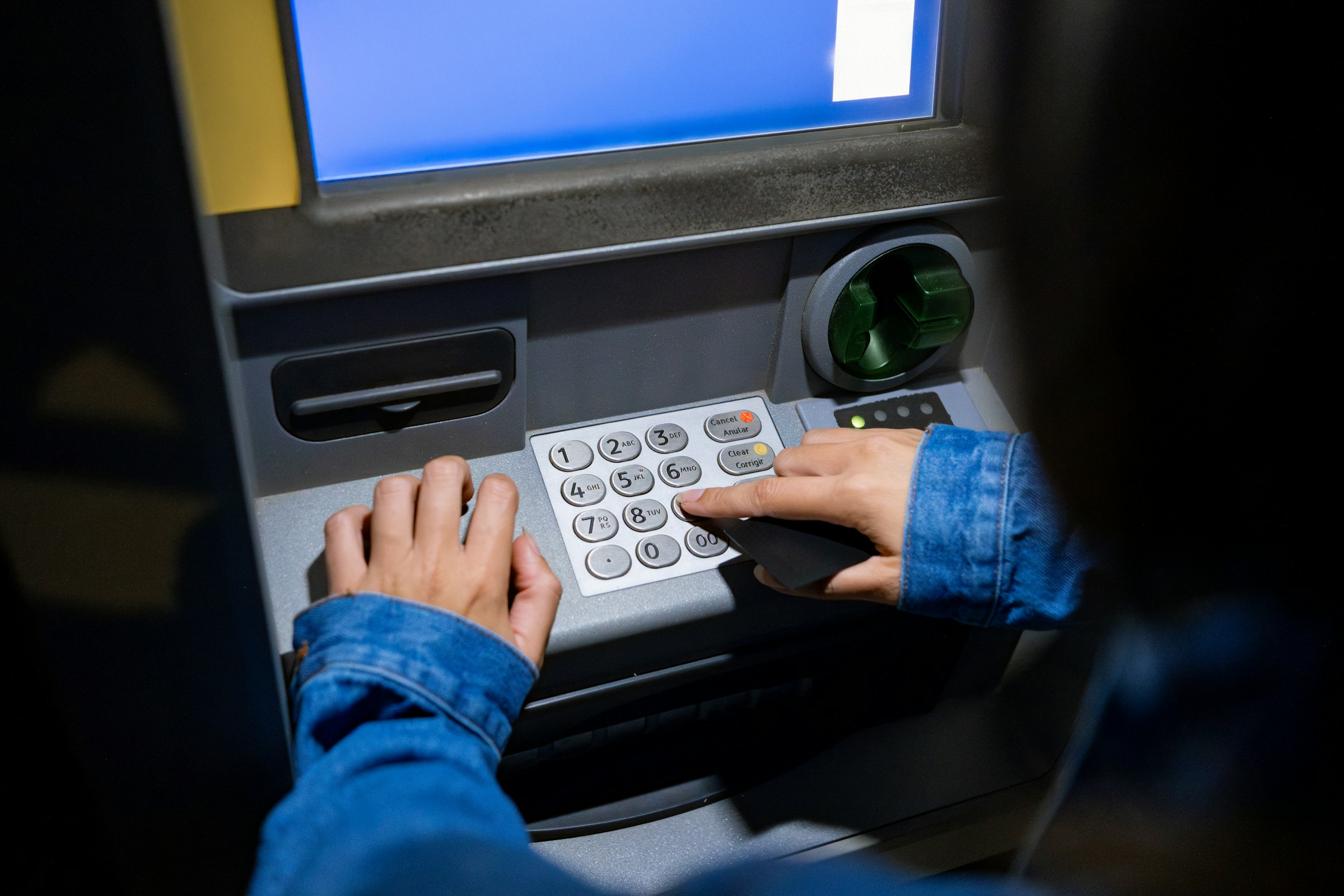
It feels almost surreal when a checkout screen approves split payments in seconds. The merchant has never met you, the lender does not know your story, and yet a small line of credit appears as if it has always been there. The experience is designed to be invisible and fast because any delay can kill a purchase. Still, speed without discipline is a recipe for losses. Behind that green tick there is an entire decisioning factory with one job. Say yes to the right shoppers, say no to the wrong ones, and protect everyone involved from a short term convenience turning into a long term problem. Understanding how buy now pay later platforms reach those instant calls requires looking at how they identify you, how they test the authenticity of the session, what they read about your cash flow, how they treat merchants and baskets, how they manage limits by ticket size and tenor, and how they keep models honest as conditions shift.
The first hurdle is identity. Before a lender worries about whether you can pay, it needs to know who you are. The inputs look simple on the surface. A name, a phone number, an email, a billing or shipping address, and sometimes a government ID depending on the market. What is not visible is the network of checks that sits behind these fields. Telecom data can reveal whether the phone number is recently issued or has a history of stable ownership. Address records and delivery histories can show whether parcels routinely arrive at that destination or whether it is a hopping point for suspicious activity. Device signatures link a browser or handset to prior sessions and reveal whether several unrelated identities keep cycling through the same device in a short window. These checks are not only about compliance. The costliest early losses are usually fraud losses, not credit losses. If the system cannot trust that the person at the keyboard matches the identity on the application, there is little value in modeling repayment. The safest decision is a decline or a prompt for stronger verification. The goal is to remove obvious imposters before subtle credit work begins.
As soon as identity passes a baseline threshold, attention turns to the way a session behaves. Device and behavioral signals are unglamorous, but they keep the pipes clean. A lender looks at how quickly a user races through fields, whether the details are pasted from a clipboard, whether an address comes from a password manager, whether the device language and IP region contradict the shipping address, and how many times the same card appears across unrelated identities. None of these signals prove that a shopper can handle a small installment plan, but together they screen out bots, farms, and professional rings that thrive on predictable schedules and one click approvals. If the graph of connected devices, cards, and addresses looks strained, the platform either adds friction or exits the transaction. The credit model only gets a turn when the environment looks genuine.
Once a session seems authentic, the core question appears. Can this person keep to a short schedule of payments without tipping their monthly cash flow into stress. For pay in four style products the horizon is often 30 to 60 days. The signal that matters is less about lifetime default and more about liquidity rhythm. Traditional bureaus still play a role, and in many markets the lender uses soft inquiries to avoid harming a score for a small line. Where bureau coverage is thin or fragmented, open banking data becomes crucial. With permission, the app reads a few months of bank activity and scans for paycheck cadence, mortgage or rent obligations, recurring bills, and the cushion that remains before payday. A worker with lumpy freelance income but a habit of keeping a buffer can look safer than a salaried employee who runs negative in the last few days of every cycle. The same logic applies to e wallet histories in markets where they dominate. Consistent top ups and timely bill payments can be better predictors of six week behavior than a thin credit file.
Payment history with the same platform outruns almost everything else. A good streak of on time repayments increases limits and reduces friction. This is why a first time purchase can feel cautious, with smaller limits and a required upfront installment, while later purchases feel almost weightless. The machine is compounding trust. Cross platform data sometimes carries, particularly in places where BNPL usage is reported to bureaus or pooled through private consortiums. In those markets, responsible behavior can add to a mainstream credit profile and misuse can subtract from it. In other places, privacy rules or competitive dynamics limit data sharing, so each new provider starts fresh. That can feel consumer friendly, but it also deprives responsible users of the portability they might deserve.
Underwriting does not stop with people. Platforms underwrite merchants and individual baskets. A cart filled with household staples behaves differently from a single high value item with strong resale appeal. Categories like smartphones and limited sneakers attract more fraud and first payment defaults, and they also carry higher disputes when fulfillment is slow or supply is tight. A lender adjusts approval odds or required upfront installments to reflect those category risks, and it watches merchant operations closely. Late shipping, poor customer service, and messy returns create chargebacks and refunds that can morph into credit losses once schedules and settlement timing collide. A platform that sees a merchant generating an unusual pattern of disputes will quietly reduce approval rates for that store, change fee terms, hold settlement longer, or in extreme cases cut off the integration. Even a low risk shopper can generate a loss if the merchant turns every simple issue into a multi week tangle.
Ticket size and tenor are the clearest risk levers. A short, zero interest plan at a few hundred ringgit looks nothing like a twelve month installment at a few thousand. Many brands run separate models tuned for each exposure. The fast model leans on recent liquidity signals and a light touch on documentation. The longer model begins to resemble classic installment lending and may require deeper bureau pulls, income checks, or proofs. Some platforms keep short exposures on their own balance sheet or fund them through revolving facilities, then route larger plans to a licensed partner bank. That is both a regulatory and a risk choice. It allows a consumer to experience continuity under a single brand while the heavy credit risk sits with an entity built to hold it.
Repayment design is a quiet part of underwriting that deserves more attention. Most BNPL schedules rely on auto debit from a card or bank account on fixed dates. The lender estimates how many accounts will need a reminder, a grace period, a plan change, or a card update and prices those pathways. Small UX details change outcomes. Clear reminders reduce accidental misses. Easy card updates prevent a perfectly willing payer from slipping late. A responsive support experience converts a high friction moment into a quick save. The best lenders treat collections as product and service rather than punishment. They would rather resolve a lost card in minutes and keep a customer loyal than send an account to a third party who might add reputational risk along with fees.
Geography reshapes the entire stack. In the United States and parts of Europe, bureau data is broad, and regulation nudges providers toward consistent reporting and checks. In Southeast Asia the picture varies greatly by country. In some places, open banking access and payroll verification make up for thin bureau files. In cash heavy markets, stability of delivery address and tenure of a mobile line can act as useful proxies. Where mobile wallets dominate, bill payment behavior and wallet balances are strong inputs. None of these signals is perfect, but the job is to find what best predicts a short series of payments without undue creep into private life. Good platforms aim for high predictive power with minimal reliance on invasive or irrelevant attributes.
No model stays sharp forever. Consumer behavior shifts, merchants promote new categories, fraud tactics evolve, and macro conditions change the shape of cash flow. A credit team needs strong governance to prevent quiet drift from turning into late stage losses. That usually means champion and challenger models, tight monitoring of early delinquency in new cohorts, frequent recalibration of cutoffs, and seasonal adjustments. Approval rates can loosen for repeat customers during holiday periods because those buyers repay quickly after gift season ends. When household budgets are under pressure, limits can tighten for new users even when bureau files look healthy, because small shocks become misses more easily. If your limits wobble for reasons that seem unrelated to your personal behavior, you are bumping into these portfolio decisions that balance growth and protection.
Fees influence behavior, and design choices here can help or harm. Zero late fee policies can sound friendly but may weaken the perceived seriousness of the schedule. Aggressive late fees create worse problems by pushing already fragile users into spirals. A small capped fee, clear communication, and an easy path to fix a mistake tends to encourage responsibility without cruelty. Some platforms reward early repayment with faster limit growth. That is not only generous. It lowers collection cost and drives merchant conversion by seeding a base of reliable customers who come back often and pay with minimal drama.
There is also an ethical dimension to the data used for decisions. Alternative data can widen access for people who do not fit neatly into traditional bureau systems. It can also import bias if the proxies correlate more with socioeconomic status than with true ability to repay. A postpaid phone plan can represent stability without peering into someone’s social life. The hour a person is awake or the typing tempo in an address field is less defensible. The healthiest approach is to favor signals that have a clear causal pathway to repayment, explain how they are used, and avoid information that profiles a person rather than assesses a loan. Exposure caps across concurrent loans matter for the same reason. Even if each ticket looks manageable, too many at once can create a pile that trips a household right before payday. Limits that scale with demonstrated behavior create a safer arc than limits that depend on squeezing every last percentage point of approval at the checkout.
Merchant incentives create another subtle pressure. If BNPL visibly raises conversion and cart size, stores will promote it widely. That can encourage some shoppers to split pay for everyday essentials more often than is healthy. The answer is not moral panic. The answer is sensible controls. Platforms can slow repeat transactions within very short windows, treat some categories more cautiously, and insert extra friction when a pattern suggests that a shopper is substituting split payments for basic budgeting. Merchants may prefer fewer rules. Lenders carry the losses. The sustainable compromise keeps approval rates and conversion high without building habits that create long term distress.
Collections is the unglamorous end of the funnel and an important signal for future underwriting. A platform can keep efforts in house, partner with soft collectors, or sell debts down the line. Many avoid early sales because the reputational risk of rough treatment is real and can draw regulatory attention fast. Investments in early outreach, self serve plan builders, and hardship programs pay back more than their cost and help separate temporary shocks from chronic trouble. This experience also enriches the model. A customer who misses once due to a lost card and fixes it within a week is not the same as a customer who drifts late repeatedly with no contact. Underwriting that nuance keeps the door open for people who bounce back while drawing a hard line for patterns that do not improve.
In practice, you can improve your own odds of approval and healthier limits with a few steady habits. Keep your identity details consistent across purchases. Link a funding source that does not change every other month. Avoid stacking multiple split payments inside the same week unless you are certain about cash inflows. Repay on schedule even if the app offers a free grace day. The system is less interested in judging character than in measuring rhythm. A predictable rhythm earns trust. A choppy one raises caution flags that lead to smaller limits or extra verification.
The final puzzle piece is how decisions appear so immediate when the logic behind them is complicated. Many platforms stage the call. The first stage applies very fast rules to knock out obvious problems within milliseconds. The second stage produces a score that sets a limit, chooses whether to require a larger first installment, and decides whether to allow a longer plan. A third stage may trigger only if something unusual appears, such as a suspicious merchant pattern or a device that just transacted in a distant market. You experience the composite of those stages as a single smooth yes or no. The design hides the machinery on purpose so that checkout feels like checkout rather than a loan desk.
Taken together, the BNPL approach to risk is a layered, pragmatic system that marries fraud control with short term credit assessment and operational discipline. It looks at who you are and whether the session is real. It studies how money flows in and out of your accounts and how you have behaved with the same platform in the past. It evaluates what is in the cart and who is selling it. It adjusts for the size and length of exposure. It stabilizes outcomes by investing in reminders, payment method hygiene, and respectful collections. It governs the models so that drift does not sneak up on the business. It trims data choices to the signals that matter most and keeps an eye on the habits that could either help a household manage cash better or tempt it into problems. When done well, the entire dance feels simple to the shopper and sustainable for the lender. When done poorly, it either approves too much and pays for it later or becomes so defensive that it loses the conversion lift that made the product attractive to merchants in the first place.
The next time a checkout window offers you a neat four part schedule and lights up green in seconds, you are seeing the polished surface of a system that is trying to protect both sides. Approval is a qualified yes based on the best information available at that moment. A decline is not a statement about your worth. It is a control that tries to avoid harm. The work behind the scenes looks a lot like the work good lenders have always done, only tuned for shorter horizons, smaller amounts, and a world that expects a decision in the time it takes to blink.
 WhatsApp
 Instagram
 Threads



-1.jpg&w=3840&q=75)

.jpg&w=3840&q=75)

-1.jpg&w=3840&q=75)