Your workday might technically end at five, but you know how it goes. The emails are still lingering in your mind, you are replaying a comment from your boss, and your shoulders are somewhere near your ears even though you are already on the train home. It can feel like everything that matters about your life happens between nine and five, and everything after that is just recovery, like the cooldown after a long run. But if you zoom out and look at your life as a whole, the hours between five and nine quietly carry just as much weight as your official working hours. In many ways, they matter more, because they are the few hours of the day that truly belong to you. Most of us are taught, directly or indirectly, to define ourselves by our jobs. The first question in any polite conversation is usually, “So what do you do?” and the expected answer is a job title, not who you are as a person. Once you start working full time, it is very easy to slip into a routine where you feel like a human extension of your inbox. You wake up, you get ready, you commute, you work, you come home, you eat, you scroll, you sleep, and repeat.
Then there is the time that begins when you log off. Those few hours between leaving work and going to bed are where your real life tries to squeeze itself in. Sometimes that looks like meeting friends for dinner. Sometimes it is grocery shopping, folding laundry, or calling your parents. Sometimes it is collapsing on the sofa and staring at your phone until you realise you are too tired to even watch a show. It would be easy to dismiss those hours as leftover time, just a buffer to help you function at work again tomorrow. But when you think about what actually shapes your identity, your relationships, and your long term happiness, it rarely comes from meetings or status reports. It comes from the small, consistent choices you make in the time when no one is paying you.
Your five to nine is where you invest in the parts of yourself that do not show up on your payslip. If you have a passion or a curiosity that your job does not satisfy, this is when you give it oxygen. Maybe you take a dance class once a week, start a tiny balcony garden, experiment with new recipes, or slowly learn a new language using an app. None of these things come with a performance rating or a promotion, but they build competence, confidence, and joy in ways that a job cannot fully cover. Those hours after work are also where relationships live and grow. Friendships do not maintain themselves during office hours. Neither do romantic relationships, or family bonds. The people you care about mostly see you outside work, in whatever energy you have left. When you cancel plans for the third time because you are “too tired,” it is not just a random decision. Over time, it shapes which friendships fade and which ones deepen. The conversations you have over late night mamak sessions, quiet walks, or video calls are rarely glamorous, but they are the moments that make you feel known.
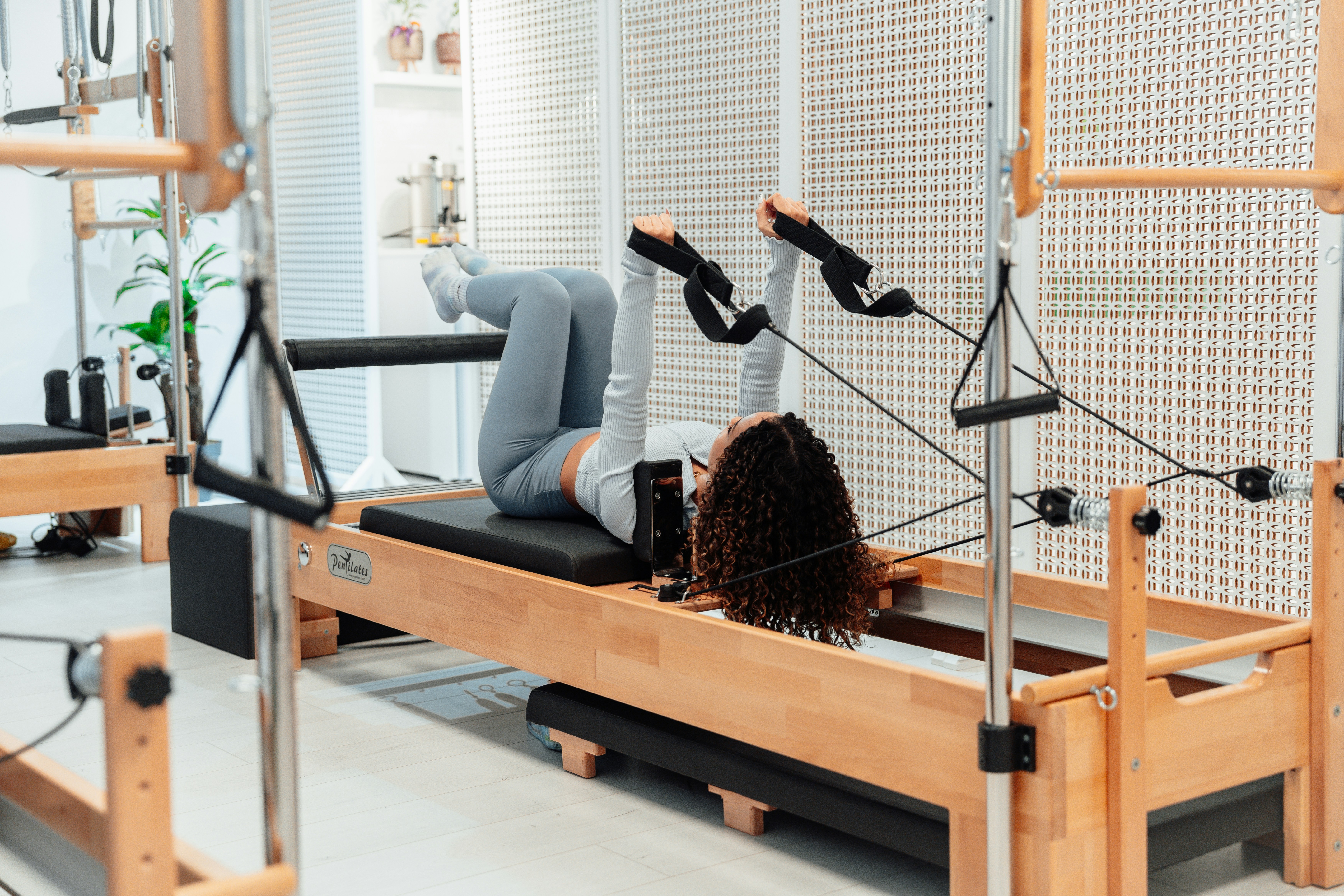
Then there is rest, which is not the same thing as mindless escape. Scrolling for three hours might distract you, but it does not necessarily restore you. Your five to nine is often the only realistic window you have to recharge in a meaningful way. That might be a proper home-cooked meal, a workout that helps you shake the day off your body, a hot shower taken slowly instead of rushed, or an hour spent reading before bed. These are small rituals that tell your nervous system, “You are safe now. You can soften.” Without them, you carry the tension of the workday into your sleep, and then wonder why you wake up already exhausted.
For many people, the picture is even more complicated. The five to nine is not leisurely at all, but a second shift. Parents manage dinner, homework, bath time, and bedtime for their children. Adult children may be caring for ageing parents. Some people pick up a second job or freelance work, not because they are chasing a passion, but because they need the extra income just to keep up with rent and bills. In these situations, the hours after work are not free time, they are survival time. Even so, that does not make them less important. If anything, it highlights how much unseen labour happens outside of the formal workday. Society functions because someone is grocery shopping, cleaning, cooking, caregiving, and planning for tomorrow. The economy may count what happens between nine and five, but human life is held together by what happens after.
In a world where layoffs can appear as a sudden email and whole industries can change in a few years, your five to nine is also where you quietly build a sense of security and possibility. You might not be starting a company, but maybe you are learning a skill that could open a door later, or exploring interests that might reveal paths you did not know existed. Even if nothing becomes a “side hustle,” you are strengthening the part of you that trusts you can adapt.
At the same time, there is a trap waiting in this idea that your five to nine is just as important as your nine to five. It can easily slide into another form of pressure. You start to feel that every evening must be productive, inspiring, or Instagram-worthy. If you are not writing a book, launching a brand, or mastering a new skill after work, you might feel like you are wasting your time. The culture of constant self-optimization is very good at turning even rest into a project. That is why a healthier way to look at your five to nine is not as a second job, but as a space for agency. It is the part of your day where you get to choose, within your constraints, how you want to feel and what you want to move toward. Some days that choice will be to push yourself, like going to the gym when you would rather skip, or finally starting the online course you bookmarked months ago. Other days that choice will be to do less, like saying no to social plans because what you truly need is a quiet night in.
The important thing is that you treat those hours as real, valuable parts of your life, not just preparation for work. That might mean setting firmer boundaries: logging off on time more often, resisting the urge to check emails late at night, or being more intentional about which evenings you give to others and which you keep for yourself. It might also mean paying attention to how you actually feel at the end of different evenings. Which nights leave you more grounded, more connected, more like yourself? Which ones leave you more drained, even if you technically did “nothing”?
Over months and years, those patterns add up. When you look back, your career may be summarised in a neat line on a CV: job titles, companies, dates. But your memories will probably come from the things that happened around that. The regular Tuesday dinners with friends. The period when you went for evening walks just to clear your head. The late-night talks with your partner when you both tried to figure out the future. The season where you finally gave yourself permission to join that class or start that hobby for no practical reason.
Your nine to five pays your bills. It gives structure to your days and, hopefully, a sense of purpose and contribution. There is nothing wrong with caring about your work or being ambitious in your career. The danger is when work quietly becomes the only lens through which you measure your life. Your five to nine will never look as impressive on paper. It is messy and flexible. It changes with your responsibilities and your energy levels. But it is where you practice being a person, not just an employee. It is where you get to decide, in small, repeated ways, who you are becoming. That is why your five to nine is just as important as your nine to five. One keeps the lights on. The other decides what kind of life you are living under those lights.
 WhatsApp
 Instagram
 Threads