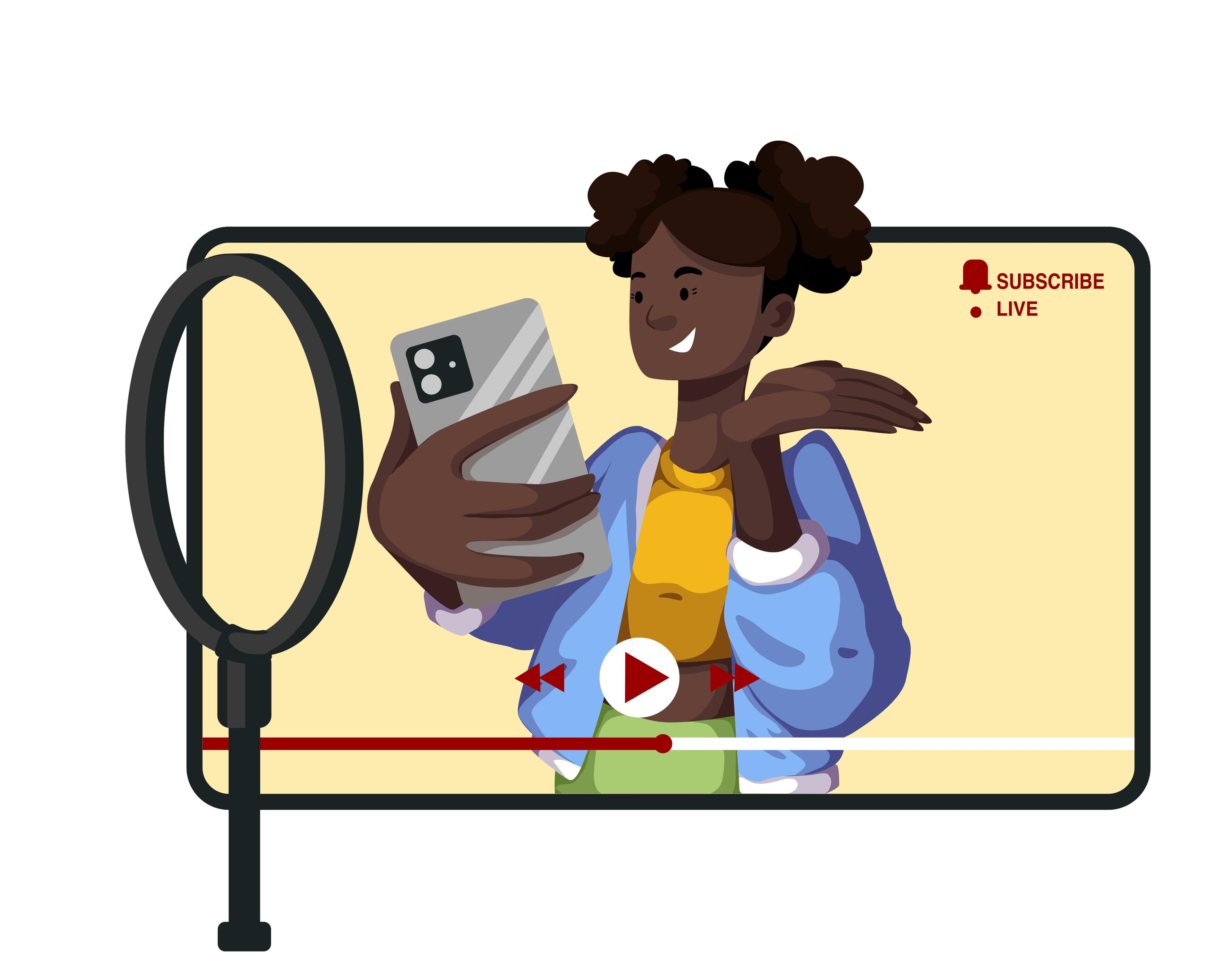
When a brand works with influencers, it often begins with metrics. Founders and marketing teams look at follower counts, engagement rates, watch times, and cost per click. They compare charts, calculate return on ad spend, and argue about which creator has the right “aesthetic.” Yet what quietly shapes the long term relationship between a brand and its audience is not only who appears on screen, but the exact words that person uses when they speak on the brand’s behalf. Influencer campaigns do not simply borrow reach. They borrow a voice, and that voice can either deepen trust or slowly damage it. Many founders assume that if an influencer is beloved by their own audience, that affection will naturally transfer to the brand that hires them. Sometimes it does, but the transfer is never automatic. What really passes through the screen are tone, word choice, and the story being told about the people watching. A video can be beautifully shot, the product can be displayed perfectly, and the link can generate clicks. At the same time, a single line in the script or caption can make loyal customers feel misunderstood, belittled, or manipulated.
It is often not the product description that triggers discomfort, but the way the audience is described. A casual phrase like “for people who cannot get their life together” might feel funny or blunt to the influencer, but the people hearing it may experience it as judgment. A caption that says “only for my lazy girls who never plan ahead” might be intended as playful, yet it can sound insulting to women who already feel guilty about struggling with time and responsibilities. The brand may claim to empower its users, while the borrowed voice accidentally paints them as helpless or careless. Consider a founder who runs a learning platform for adults returning to the workforce. She decides to hire a popular lifestyle influencer to promote the app. The original brief is professional and respectful. It highlights that the app supports people who want to rebuild their confidence and skills after a career break. When the influencer records the content, she keeps most of the structure, but improvises a line she believes will make the reel more dramatic: “If you feel completely useless at home, this app will fix you.” The video performs well in terms of views and clicks. On the surface, the campaign looks like a success.
However, in the brand’s private community channels, the response is mixed. Several users share the post with messages that say they feel hurt by the wording. They are not angry at the product, but they dislike being described as “useless.” Many of them are already struggling with self doubt after years of unpaid care work. They came to the platform to feel capable again, not to be treated as broken. The influencer’s sentence, even if unintentional, frames them as defective people in need of fixing, rather than as strong individuals seeking new tools. This is a small example of a larger pattern. When the words an influencer uses clash with how the audience sees itself, trust is strained. The conflict may not show up immediately in sales figures, but it appears in subtle ways. A loyal customer may stop recommending the brand to friends. A community member may go quiet instead of engaging. A potential user may decide not to sign up, not because they doubt the product, but because they do not want to be associated with a narrative that makes them feel less than.
Influencer language can also affect how inclusive a brand feels. Pronouns and framing carry more power than founders often realise. When a creator says “you people” or “those of you who cannot manage money,” the distance between brand and audience grows. The message suggests that the brand stands on a higher, more organised level, looking down at the messy lives of its customers. In contrast, phrases like “we are figuring this out together” or “many of us struggle with this” communicate shared humanity. They suggest that the brand and the user are on the same side, facing similar challenges and looking for practical solutions. That small shift in wording can transform how safe people feel engaging with the brand.
For entrepreneurs, this means that influencer work is not only a media buying decision. It is a language and values decision. Before a script is written, the brand itself needs a clear sense of how it wants to talk about its customers. Which words are off limits because they imply shame, laziness, or hopelessness. Which words feel like an honest and respectful reflection of the community’s reality. If these boundaries are not defined internally, they will not appear in the creative brief, and the influencer will simply use the tone that has worked for them in other campaigns. Treating influencer scripts as a serious extension of brand voice requires deliberate effort. Instead of sending a product description and a promo code and hoping for the best, founders can share a short “values and language” guide with every creator. This can explain how the audience usually feels when they discover the product, what they worry about, and how the brand prefers to support rather than shame them. It can include examples of phrases to avoid and suggestions for phrases that feel aligned. Creators who resonate with this framework will often appreciate the clarity. Those who find it too limiting may choose not to proceed, which actually protects the brand from misaligned content.
Reviewing scripts or key talking points before filming is another simple but powerful step. This is not about censoring every spontaneous moment, but about checking the core narrative. Are the claims realistic, or are they promising “life changing results in seven days” that the product cannot reliably deliver. Does the story respect the audience’s intelligence, or does it rely on pressure tactics and exaggerated fear. When influencer content overpromises, the short term spike in curiosity is usually followed by long term disappointment. Trust erodes when there is a gap between what was said in the video and what people experience after buying.
Listening closely after a campaign is just as important as planning before it. Beyond the public comments under the influencer’s post, there are quieter signals in WhatsApp groups, Telegram channels, support emails, and customer interviews. When someone says, “I like your product, but I do not like how that creator talked about people like me,” it is a strong warning. That feedback deserves a direct response. A brand that acknowledges the issue, explains what went wrong, and shares how it will adjust its guidelines shows that it values relationships more than temporary reach.
In the end, the words influencers choose can shape audience trust because language is often the only bridge between a brand and the people it serves. Most customers will never visit the office or meet the founders. They meet the company through captions, voiceovers, and short videos that appear between other distractions on their screens. If those small pieces of language make them feel respected, seen, and genuinely supported, trust slowly grows. If the same language makes them feel mocked, pressured, or reduced to stereotypes, they may still make a purchase once, but they will hesitate to build a lasting connection. For entrepreneurs, this is both a risk and an opportunity. It is a risk if voice is treated as an afterthought and fully outsourced to whoever has the largest following. It is an opportunity if voice is treated as a strategic asset, shaped carefully and shared with partners who understand and respect it. When that happens, the influencer is not just a rented face with a link. They become a true extension of the brand’s values, speaking to the audience in a way that strengthens trust rather than testing it.
 WhatsApp
 Instagram
 Threads