Becoming a millionaire in Singapore is often described as a milestone, but it is more accurate to see it as a long process of building net worth within a system that shapes how money grows and how it can be used. In many places, the word “millionaire” suggests liquidity, the idea that you have a million dollars sitting in cash or investments you can tap at any time. In Singapore, the meaning is usually more complicated because wealth commonly sits in CPF balances and home equity. Those are real assets, yet they are governed by rules and frictions that limit how quickly you can turn them into spending money. That is why it is possible to look wealthy on paper while still feeling cash tight, and it is also why the first step toward millionaire status is defining what kind of millionaire you actually want to be.
A grounded approach begins with recognising that Singapore’s financial architecture is designed to push citizens and residents toward long-term security. CPF is not an optional tool you can ignore until you feel ready. It is a compulsory system that steadily builds retirement, healthcare, and, for many people, housing capacity. Over decades, that structure creates a quiet compounding effect that can form a large share of a person’s net worth. The catch is that CPF is not designed for early freedom. It is designed for stability and sufficiency later in life. If your goal is to be a millionaire in the sense of having accessible wealth, you need to accept CPF as the foundation rather than the whole plan. If your goal is to be a millionaire in net worth terms, CPF can help you get there, but you still have to plan for the reality that much of that wealth will be locked, staged, or restricted.
Housing is the second pillar that shapes the millionaire journey in Singapore. For many households, property is the biggest asset on the balance sheet, and mortgage repayment works like a forced savings plan that gradually turns income into equity. If the property value rises over time and the loan balance falls, net worth can increase substantially even without aggressive investing. This is one reason Singapore has a large number of people who become millionaires on paper without ever chasing high risk strategies. Yet property wealth also comes with limitations. A home is a concentrated asset, expensive to buy and sell, and difficult to spend without making major life decisions like selling, downsizing, or taking on additional borrowing. That means a property heavy path can produce a strong net worth while still leaving you short on flexibility. The common trap is overextending on housing, building equity slowly while sacrificing the ability to invest outside CPF. In that situation, you may eventually reach a million in assets, but you may feel like you are postponing your life until the wealth becomes usable.
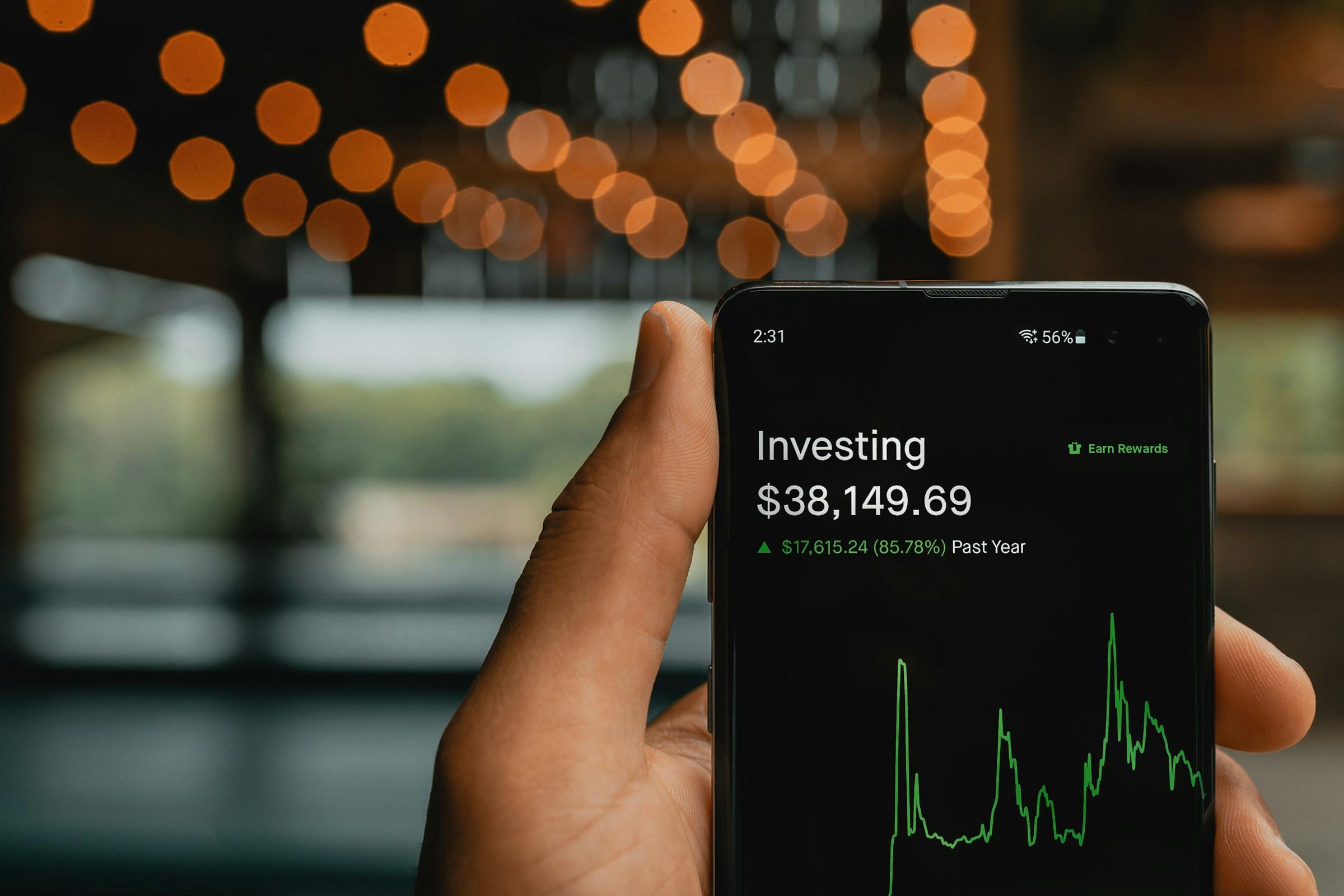
Because CPF and housing carry much of the long-term weight, the crucial middle piece is how you manage the money that sits outside these systems. This is where intentional investing matters, not as a hobby, but as a routine. Many people imagine becoming a millionaire requires a dramatic leap in income or a single lucky investment. More often, it is the result of steady saving and consistent investing over time. In Singapore, the advantage is that CPF quietly supports the base, which means your external investments do not necessarily need to do all the heavy lifting to reach the headline number. Instead, your investing engine outside CPF can be designed to do what CPF and property do not do well, which is to create liquidity, diversification, and options.
The logic is simple even when the execution is not. As your income grows, your lifestyle can grow too, and this is where many people unknowingly slow their progress. Wealth is built in the gap between what you earn and what you spend. When promotions and raises arrive, the easiest path is to upgrade everything at once, then wonder why the bank account never seems to reflect the higher salary. The millionaire path requires a different habit: treating each income increase as an opportunity to expand investing before expanding lifestyle. This does not mean living joylessly. It means choosing a default that prioritises the future version of you, the one who wants not only security but also freedom of choice.
Tax planning can also support this process, but it is best viewed as an efficiency tool rather than a miracle solution. Singapore’s system includes structures that encourage retirement saving, and using them well can help your money compound with less leakage over time. The mistake is to focus on tax relief while neglecting the broader question of what your wealth needs to do for you. A highly optimised retirement bucket is useful, but if you have no flexible assets outside it, you can still feel trapped even while your net worth rises. The more practical mindset is to use tax and policy tools as part of the architecture, while keeping your core focus on building a balanced set of assets that are both committed for long-term security and accessible for life’s unpredictability.
Unpredictability is the part that quietly destroys many plans. People rarely miss millionaire status because they chose the wrong investment product. They miss it because a shock forces them to liquidate investments at the wrong time, pause contributions for years, or take on expensive debt that compounds in the wrong direction. That is why protection and resilience belong in the millionaire story. An emergency buffer is not wasted money. It is what keeps your long-term investments untouched when life becomes messy. Insurance, healthcare planning, and a realistic assessment of obligations are not side quests. They are what prevent a temporary setback from becoming a permanent derailment.
Over time, the question shifts from “Can I reach a million?” to “What kind of million do I have?” In Singapore, it is common for the first version of millionaire status to be heavy in CPF and property. That can be a good outcome, but it is not the same as having S$1 million in liquid investments you can draw on. The most useful way to track your progress is to separate your wealth into what is accessible and what is committed. Accessible wealth gives you options, career flexibility, and the ability to handle emergencies without panic. Committed wealth, like CPF and home equity, gives you stability and long-term security. The healthiest financial life usually has both, growing together rather than one crowding out the other.
So the path to becoming a millionaire in Singapore is not a secret trick. It is a long alignment between your behaviour and the systems around you. CPF provides a steady base, housing can build significant equity if chosen wisely, and tax and retirement schemes can improve the efficiency of your saving. The deciding factor is what you do outside those structures, whether you build a consistent investing habit, keep lifestyle inflation under control, and protect your plan from disruptions. If you do that for long enough, the million tends to arrive quietly. What matters most then is not the number itself, but whether that wealth is shaped in a way that supports the life you actually want.
 WhatsApp
 Instagram
 Threads