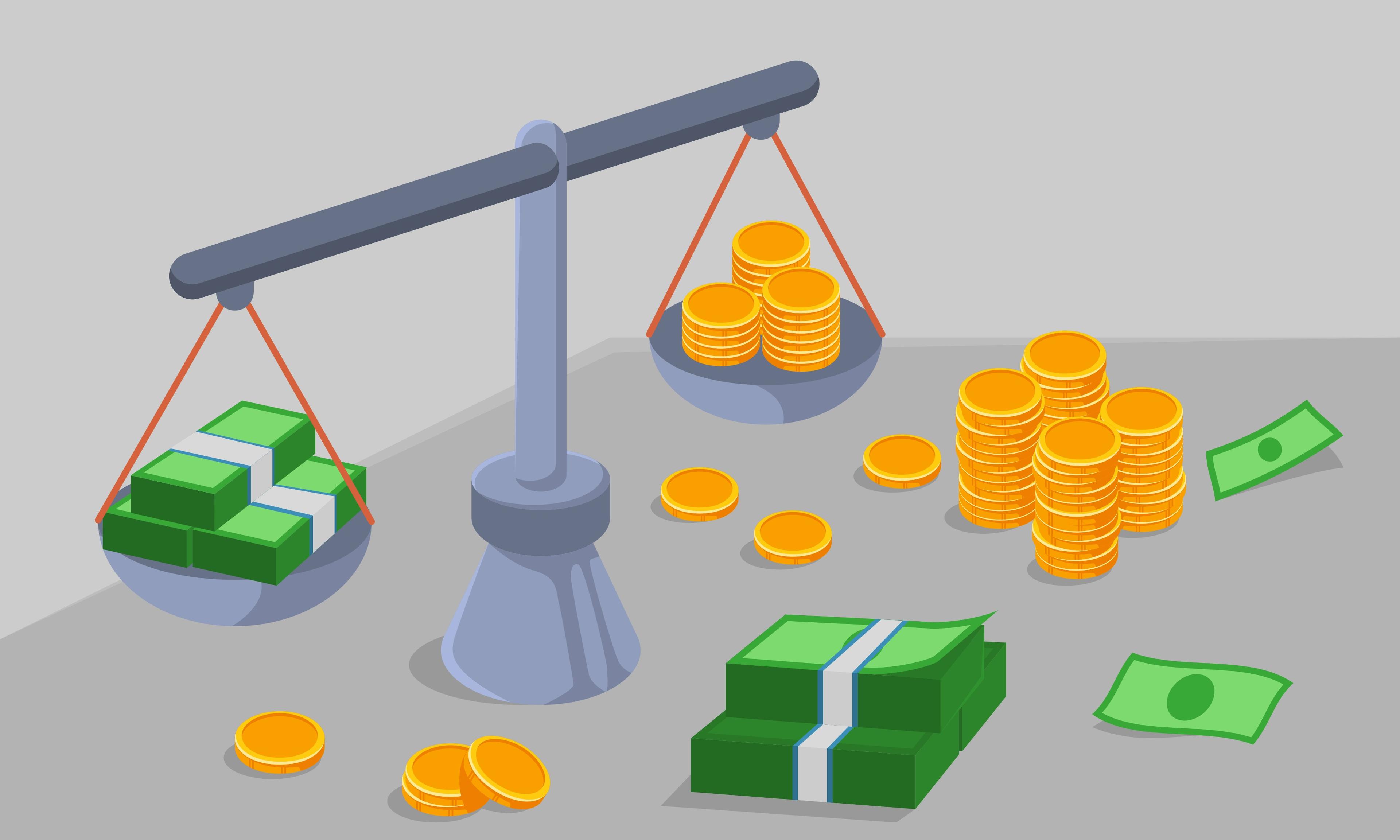
Self-care is often treated like a luxury, something you earn after a brutal week or book only when your calendar finally clears. But that mindset misunderstands what self-care actually does. It is not a reward for surviving work. It is the foundation that allows you to work well without slowly draining your personal life. When self-care is consistent, it improves your career because it strengthens attention, decision-making, and emotional control. It also improves your personal life because it preserves patience, presence, and the ability to show up as a whole person after the workday ends.
The clearest way to understand self-care is to see it as capacity. Capacity is the ability to handle stress without becoming reactive, scattered, or numb. People who skip self-care do not necessarily lack ambition. Often, they simply believe they can keep borrowing energy from their future. They stay up late, skip meals, cancel social plans, and push through exhaustion. It works in the short term, which is why the habit is so common. But the cost builds quietly. The payment usually arrives at the worst time, when work demands increase or relationships need more care, and suddenly the person who seemed “strong” discovers they have no margin left.
Career growth depends on making good choices under pressure. Jobs and businesses are full of moments where you must decide quickly, with limited information, and live with the consequences. When you are depleted, your choices become narrower because your brain starts prioritizing relief over strategy. You may avoid difficult conversations, accept responsibilities you do not actually have the energy to carry, or quit impulsively because you cannot tolerate discomfort anymore. In that state, even good opportunities can become damaging because you do not have the stability to manage them. Self-care protects your career by giving you the mental and emotional steadiness to think clearly, respond thoughtfully, and choose long-term advantage over short-term comfort.
Self-care also improves performance in a direct and practical way. Focus is not only a matter of discipline. Focus is a biological resource. Sleep, nutrition, movement, and rest shape how well you can concentrate, how quickly you can solve problems, and how creatively you can work. When self-care is neglected, attention becomes fragile. You start switching tasks constantly, making more mistakes, and relying on urgency to get things done. Many people confuse that adrenaline-fueled style with productivity, but it is a costly cycle. It produces output, but it damages stamina, and it often leads to burnout or resentment. In contrast, consistent self-care makes focus more stable, allowing you to do deeper work and improve the quality of what you produce.
Another career benefit is how self-care changes your relationship with feedback. In a depleted state, feedback feels threatening. Even small corrections can sound like criticism, and you may respond defensively, avoid conversations, or doubt yourself too easily. When you are rested and emotionally steady, feedback becomes information you can use. You can hear what is being said without collapsing into shame or anger. Over time, this difference matters because growth depends on learning. People who can accept feedback calmly tend to develop faster and build stronger professional relationships, while those who constantly operate on empty often struggle to stay open and adaptable.
The impact on personal life is just as significant. When someone spends the entire day controlling their emotions at work, they often come home and release that pressure in unhealthy ways. They become impatient, withdrawn, or easily irritated, not because they do not care, but because they are exhausted. Many relationship problems begin with these small moments. You stop listening well. You rush conversations. You respond sharply to minor issues. You forget that your partner, friends, or family members are not part of your work stress, yet they receive the emotional spillover. Self-care interrupts this pattern by giving you enough energy to be present. It helps you come home with more patience, more kindness, and more willingness to engage rather than collapse.
Self-care also protects identity, which is crucial for both work and relationships. Ambitious people sometimes build their self-worth around achievement. When work becomes the main source of validation, every setback feels personal, and every slow period triggers anxiety. That kind of pressure does not stay contained in the office. It follows you into your home and into your relationships. Self-care helps break this dependence by reminding you that you are valuable even when you are not producing. The habits that maintain your body and mind also reinforce self-respect. Over time, that creates a healthier confidence, the kind that does not need constant external proof.
To make self-care effective, it helps to view it as something you design rather than something you do only when you feel like it. A workable approach is to focus on what keeps you functional day to day, what prevents stress from building up, and what keeps you connected to who you are outside of work. The first layer is basic maintenance: sleep that is not constantly sacrificed, meals that support energy rather than crash it, and movement that keeps your body from becoming stiff and fatigued. These are not glamorous habits, but they determine how well you can think, lead, and cope.
The second layer is stress buffering, which is where many people struggle because they wait until stress is extreme before they respond. Instead of needing a major reset after every difficult week, you can build small releases into your day. A short walk after a tense meeting, a few quiet minutes before switching tasks, or a deliberate pause before walking into your home can prevent stress from accumulating into burnout. These moments do not remove pressure completely, but they keep pressure from becoming your default state.
The third layer is identity anchoring, which is the habit of protecting parts of life that are not about productivity. This could be a hobby, time with friends who do not care about your job title, or activities that help you feel grounded in something beyond work. Identity anchors matter because they reduce the desperation that can arise when work is unstable. If your entire sense of self is tied to your career, then every challenge feels like a threat to your identity. But when you have a life outside of work that you truly value, you can face career uncertainty with more calm and clarity.
One of the most practical self-care decisions is building transitions into your day. Many people do not have a boundary between work mode and personal mode. They go from stressful calls straight into family time or social time without letting their mind reset. A transition ritual can be simple: a shower, a change of clothes, a short walk, or writing down a few thoughts to close open loops. The point is to signal to your body that the workday is ending. Without this, people remain mentally at work even when they are physically at home, and their loved ones experience that as distance.
Ultimately, self-care improves career and personal life because it makes you reliable to yourself. It gives you stable energy, clearer thinking, and steadier emotions. It helps you work with focus instead of panic, lead without constant irritation, and grow without breaking your relationships. It also teaches a quieter lesson: ambition does not have to come at the cost of health and connection. The strongest careers are not built by people who burn bright and collapse. They are built by people who learn how to recover before they break, and who protect their personal lives not as an afterthought, but as part of what makes success worth having.
 WhatsApp
 Instagram
 Threads

.jpg&w=3840&q=75)