Soft skills often get talked about as if they sit on the sidelines of “real” work, like a pleasant extra that matters only when everything else is already perfect. In practice, they are the conditions that let real work happen at all. They shape how people share information, how teams make decisions, how conflict gets handled, and how trust is built or broken over time. You can have all the technical ability in the world, but if you cannot communicate clearly, manage tension, and collaborate without turning every conversation into a struggle, your skills do not travel very far. In modern workplaces, where most outcomes depend on coordination and shared judgment, soft skills function less like decoration and more like infrastructure.
A simple way to understand their importance is to notice how work actually unfolds day to day. Much of it is not a neat sequence of tasks completed in isolation. It is a chain of interactions. Someone asks for clarity. Someone pushes back on a deadline. Someone shares partial information. Someone corrects a misunderstanding. Someone needs reassurance that a risk is manageable. Someone else needs to hear a hard truth without feeling attacked. These moments are not separate from performance. They are performance. Soft skills are the tools people use to move through those moments without creating unnecessary friction, confusion, or resentment.
This matters even more now because work has become increasingly interdependent. Roles that look independent on paper are still connected in practice. Designers depend on feedback and alignment. Engineers depend on product clarity and stakeholder decisions. Marketers depend on timely information from sales and customer support. Analysts depend on leaders who will actually use their insights rather than file them away. Interdependence creates constant negotiation, not only about what to do, but about what “good” looks like, what tradeoffs are acceptable, and what should happen next. Soft skills are what keep those negotiations productive rather than personal.
Communication is the most obvious example, but it is also the most misunderstood. Many people think communication skill means being eloquent, confident, or talkative. In reality, workplace communication is often about accuracy, timing, and care. It is about being able to say what you mean in a way that others can act on. It is about choosing words that reduce confusion rather than multiply it. It is also about knowing when to speak, when to ask, and when to pause. A person who can turn a messy discussion into a clear summary and a next step can save an entire team hours of rework and tension. That is not fluff. That is measurable impact, even if it does not appear in a spreadsheet.
Soft skills are also what make competence usable by other people. Being technically strong is valuable, but it can become surprisingly limited if it is locked inside poor collaboration. A highly skilled employee who is defensive, dismissive, or unpredictable can turn their talent into a source of stress for everyone around them. People start avoiding them, conversations become indirect, feedback gets delayed, and problems get hidden because no one wants the emotional cost of bringing them up. Over time, the team’s output suffers, not because anyone forgot how to do the work, but because trust and psychological safety eroded. Soft skills prevent that slow damage.
Remote and hybrid work have made the stakes clearer. When people share an office, there are small moments of repair that happen naturally. A quick smile can soften a blunt comment. A hallway chat can clarify a misunderstanding before it becomes a story. In remote settings, the medium is often text, video, or silence, and all three can be easy to misread. A short message can sound cold when it is just efficient. A delayed reply can feel like avoidance when it is actually overload. A direct comment can land like disrespect when it is simply a different communication style. Soft skills help people carry nuance across imperfect channels. They help teams keep the signal strong when the medium flattens tone and context.
Conflict management is another soft skill that quietly determines whether teams thrive or implode. Conflict is not a sign a workplace is failing. It is a sign that real tradeoffs are happening. Different priorities, limited resources, and unclear timelines naturally create tension. The question is not whether conflict occurs. The question is whether people can handle it without turning disagreements into identity-level attacks. Teams with strong soft skills can argue intensely about ideas while still respecting the people involved. Teams with weak soft skills either avoid conflict until it becomes toxic or escalate it into blame and politics. In both cases, work slows down. Decisions take longer, alignment becomes fragile, and people spend more energy protecting themselves than building outcomes.
This is where emotional regulation becomes essential. Emotional regulation is sometimes mistaken for being calm all the time, but it is more practical than that. It is the ability to manage your reactions so your stress does not become the team’s atmosphere. Everyone has difficult days, and everyone feels pressure. The difference is how that pressure spreads. Some people leak it into every interaction, creating tension and fear that others must manage. Others can acknowledge stress, stay grounded, and communicate clearly even when things are uncertain. In high-stakes environments, that steadiness is a competitive advantage. It allows teams to think, decide, and move forward rather than spiral.
Soft skills are deeply tied to trust, and trust is one of the most powerful performance multipliers in any group. Trust is not only about whether people like each other. It is about reliability, honesty, and respect. It is the belief that someone will do what they said they would do, that they will share bad news early rather than hide it, that they will not throw others under the bus to protect their image, and that they can handle feedback without retaliation. When trust is strong, teams move faster. They need fewer meetings, fewer check-ins, and fewer defensive documents built to prove who said what. When trust is weak, everything slows down. People feel the need for receipts. Communication becomes cautious. Alignment becomes a constant struggle. Soft skills are often the difference between these two worlds.
They also shape career growth in ways people do not always see. Many promotions are not about who is best at a narrow task. They are about who can be trusted with complexity. As people become more senior, work becomes less about executing clear instructions and more about navigating ambiguity. Leaders and senior contributors are expected to make judgments without complete information, align multiple stakeholders, explain tradeoffs, and stay accountable when outcomes are uncertain. These are soft-skill-heavy demands. A person who can handle ambiguity without panicking the room, who can communicate uncertainty without undermining confidence, and who can make decisions while keeping relationships intact becomes invaluable. Their impact goes beyond their individual output because they improve the conditions under which others can do their best work.
The rise of AI and automation makes soft skills even more central. As tools become better at producing first drafts, summaries, and standard analyses, human value shifts toward judgment and responsibility. Someone still has to decide what matters, what is correct, what is appropriate, and what is ethical. Someone has to communicate it clearly and respond to pushback without falling into defensiveness or arrogance. Someone has to own the consequences if a decision turns out wrong. Accountability, persuasion, and discretion are not technical skills. They are relational skills. When technology accelerates production, the human bottlenecks often move to alignment, trust, and decision-making. Soft skills reduce those bottlenecks.
Another reason soft skills matter is that workplaces are more diverse in communication styles than ever. Teams often include different cultures, different generations, and different expectations around hierarchy and directness. One person’s “efficient” can be another person’s “dismissive.” One person’s “direct” can be another person’s “rude.” Without soft skills, these differences create chronic misunderstanding. With soft skills, people learn to translate intention, ask clarifying questions, and adapt to what helps others work well. This is not about walking on eggshells. It is about reducing unnecessary friction so people can focus on actual problems rather than constant emotional cleanup.
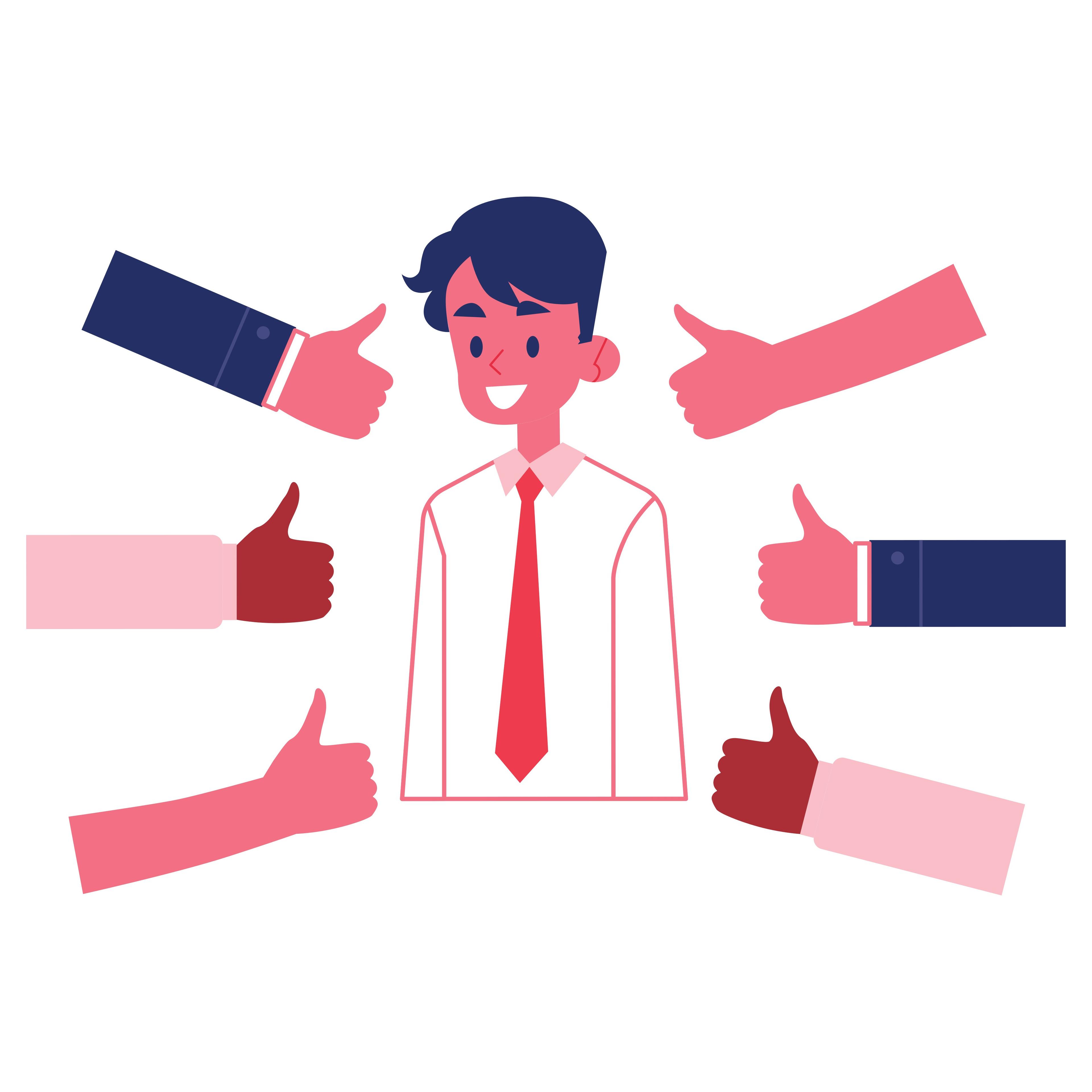
Feedback is a perfect example. Most workplaces claim they want a feedback culture, but many people avoid feedback because they fear the fallout. They worry the other person will get defensive, angry, or hurt in a way that changes the relationship. Or they worry they will come across as harsh and be judged for it. Soft skills make feedback possible. They help someone deliver a difficult message with clarity and respect. They also help someone receive feedback without turning it into shame or conflict. When feedback works, problems get addressed early. Expectations become clearer. People improve faster. When feedback fails, issues linger until they become crises, and then everyone is confused about why something that felt small turned into something that feels personal and explosive.
Soft skills also help workplaces balance kindness with standards. There is a common fear that prioritizing soft skills means lowering the bar, becoming overly sensitive, or avoiding hard conversations. The opposite is usually true. Strong soft skills allow people to be direct without being cruel. They allow managers to hold high standards while still treating people with dignity. They allow teams to disagree openly without turning disagreement into disrespect. In environments without soft skills, standards often drop anyway because no one wants to deal with the interpersonal mess required to enforce them. Soft skills make it easier to be honest, consistent, and fair.
It is worth noticing that soft skills often become visible only when they are missing. People rarely call out “good communication” in the same way they call out a mistake, but everyone feels the difference. A team with weak soft skills can be full of talented individuals and still struggle to ship anything meaningful. Meetings drag on because no one can facilitate a decision. Misunderstandings pile up because no one clarifies assumptions. Tension grows because no one addresses small conflicts early. People become guarded, and guarded people do not collaborate well. In contrast, a team with strong soft skills can outperform expectations because trust is higher, clarity is stronger, and conflict is handled without damage.
This is why soft skills affect not only productivity but also well-being. Work is not only what you accomplish. It is what it feels like to accomplish it with other people. A workplace can have great perks and still feel exhausting if communication is unclear and relationships are tense. Conversely, a workplace can be demanding and still feel manageable if people treat each other with respect, set expectations clearly, and repair problems quickly. Soft skills shape the emotional weather of work. They influence whether people feel safe asking questions, whether they feel confident admitting mistakes, and whether they feel valued beyond their output.
In the end, the importance of soft skills comes down to a simple truth about modern work: most of what matters is done with other people. Even when someone’s role is highly technical, their success depends on whether they can coordinate, communicate, and earn trust. Soft skills are not separate from hard skills. They are what allow hard skills to matter in a group context. They are the mechanics of collaboration, the glue of trust, and the engine of alignment.
A person with strong soft skills is not necessarily the loudest or most charismatic in the room. They are often the person who makes things feel clearer, steadier, and easier to move through. They listen closely. They explain their thinking. They ask good questions. They repair misunderstandings quickly. They disagree with ideas while respecting people. They keep their stress from spilling onto everyone else. They make others feel safe enough to contribute, and that safety tends to produce better work. That is why soft skills are important. They do not simply make workplaces nicer. They make workplaces functional. They determine whether talent becomes output, whether conflict becomes progress, and whether people can do difficult work together without losing respect for one another along the way.
 WhatsApp
 Instagram
 Threads