Parenting is one of the few life roles where people can be deeply grateful and deeply exhausted at the same time. That is why the question “When does parenting get easier?” keeps resurfacing in quiet conversations and late-night thoughts. It is not a complaint about a child. It is a search for reassurance that the intensity will not always feel so constant. The most honest answer is that parenting rarely becomes easier all at once. Instead, it changes shape. Some burdens lighten as children grow, while new responsibilities appear. What many parents eventually discover is that parenting does not move toward a final stage of ease. It moves through phases where the type of difficulty shifts, and parents learn how to carry it differently.
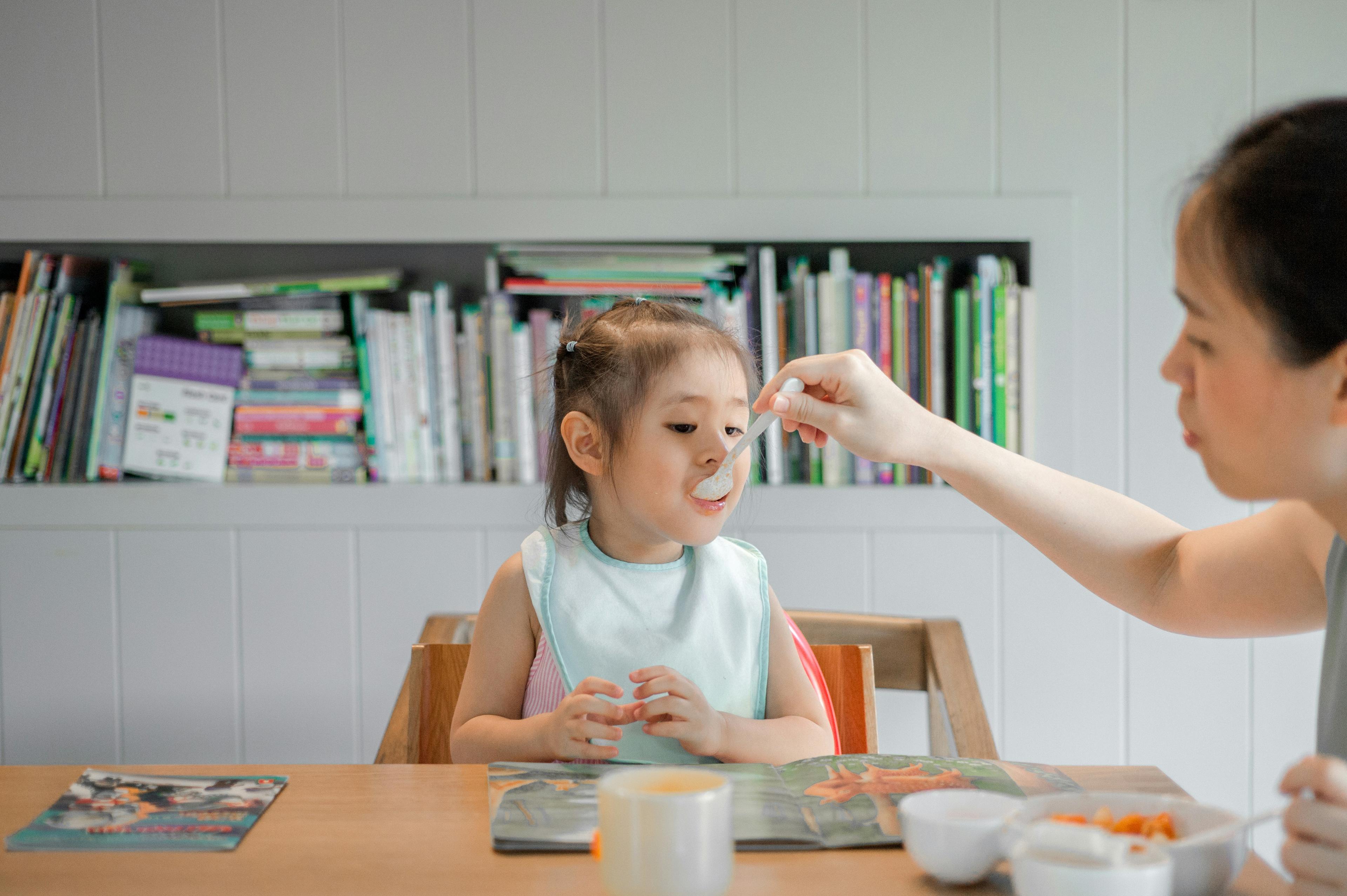
In the earliest months, parenting can feel physically overwhelming because so much of it is rooted in survival. Newborns depend on adults for everything, and their needs do not follow a schedule that respects rest or routine. Sleep becomes fragmented, days blur together, and parents can feel as if they are always on duty. During this stage, “easier” often means small improvements that restore a sense of control, such as longer stretches of sleep, more predictable feeding, or a baby who can be comforted without endless guessing. For some families, these changes begin within the first few months. For others, it takes longer, and the uncertainty can intensify the stress. Still, most parents notice that once the newborn stage passes, the intensity becomes less raw, even if the responsibilities remain heavy.
As children move into toddlerhood, the challenges shift from physical demands to emotional ones. Toddlers have big feelings, strong preferences, and limited skills for managing frustration. They are learning independence but still require constant supervision, and their desire to control their environment often clashes with everyday boundaries. This stage can feel particularly draining because it requires patience, repetition, and emotional steadiness. Many parents find toddlerhood harder than the newborn stage, not because they are more tired, but because the work becomes more psychological. Parenting starts to feel easier here when communication improves and when parents gain confidence in responding calmly rather than reacting in frustration. Even then, progress tends to come in waves rather than steady steps.
For many families, a noticeable sense of relief arrives when children become more independent with basic tasks. When a child can communicate needs clearly, use the toilet consistently, dress themselves, and follow simple instructions, the daily workload begins to ease. This stage often appears around preschool age, although every child develops at their own pace. What changes is not that parenting becomes effortless, but that it becomes less constant. Parents begin to regain time and mental space because they are no longer physically managing every moment. This renewed space can make a parent feel more like a whole person again, which is often what “easier” truly represents.
School age can bring another form of relief, largely because routines become more structured. Children spend time in school, and daily schedules often become more predictable. Kids at this stage can usually reason more effectively, understand consequences, and engage in deeper conversations. Parenting can feel smoother because children become better collaborators in everyday life. However, school age also introduces new pressures. Social challenges, academic stress, and peer dynamics can create a different kind of worry for parents. Even if the physical tasks are reduced, the emotional responsibility of guiding a child through relationships and self-esteem can be demanding. In this phase, parenting feels easier in practical ways but more complicated in invisible ways.
Adolescence creates yet another shift. Teenagers generally require less hands-on care, but they need guidance that is more delicate and emotionally complex. Parents must balance boundaries with trust, and independence with safety. The day-to-day logistics may feel lighter because teens can manage many tasks on their own, but the emotional weight can be heavier. Problems become less about tantrums and more about identity, mental health, friendships, and risk. In this stage, parenting can feel quieter on the surface but deeper underneath. Parents often have to accept that they cannot control everything, and this can be both freeing and frightening.
Because parenting changes so much over time, the idea of “easier” depends on what a parent finds most difficult. For someone struggling with exhaustion, parenting may feel easier once a child sleeps better and routines settle. For someone overwhelmed by emotional conflict, parenting may feel easier once communication improves and a child can self-regulate. For others, parenting becomes easier when they themselves become more experienced. Confidence grows over time. Parents learn what matters, what can be let go, and how to stop measuring themselves against unrealistic expectations. In that sense, parenting can feel easier not only because children grow, but because parents adapt.
Ultimately, parenting becomes easier in stages and pockets rather than in a single dramatic transformation. The struggles do not vanish, but they evolve. Each phase brings new concerns alongside new freedoms, and the work shifts from physical care to emotional guidance and long-term support. The most comforting truth may be that parenting gets more manageable when parents feel supported, when they have space to rest, and when they stop expecting a perfect version of family life. Parenting is not a path toward constant ease. It is a relationship that matures over time, shaped by growth on both sides. And while it may never become entirely simple, it can become more familiar, more balanced, and more sustainable as both parent and child move forward together.
 WhatsApp
 Instagram
 Threads