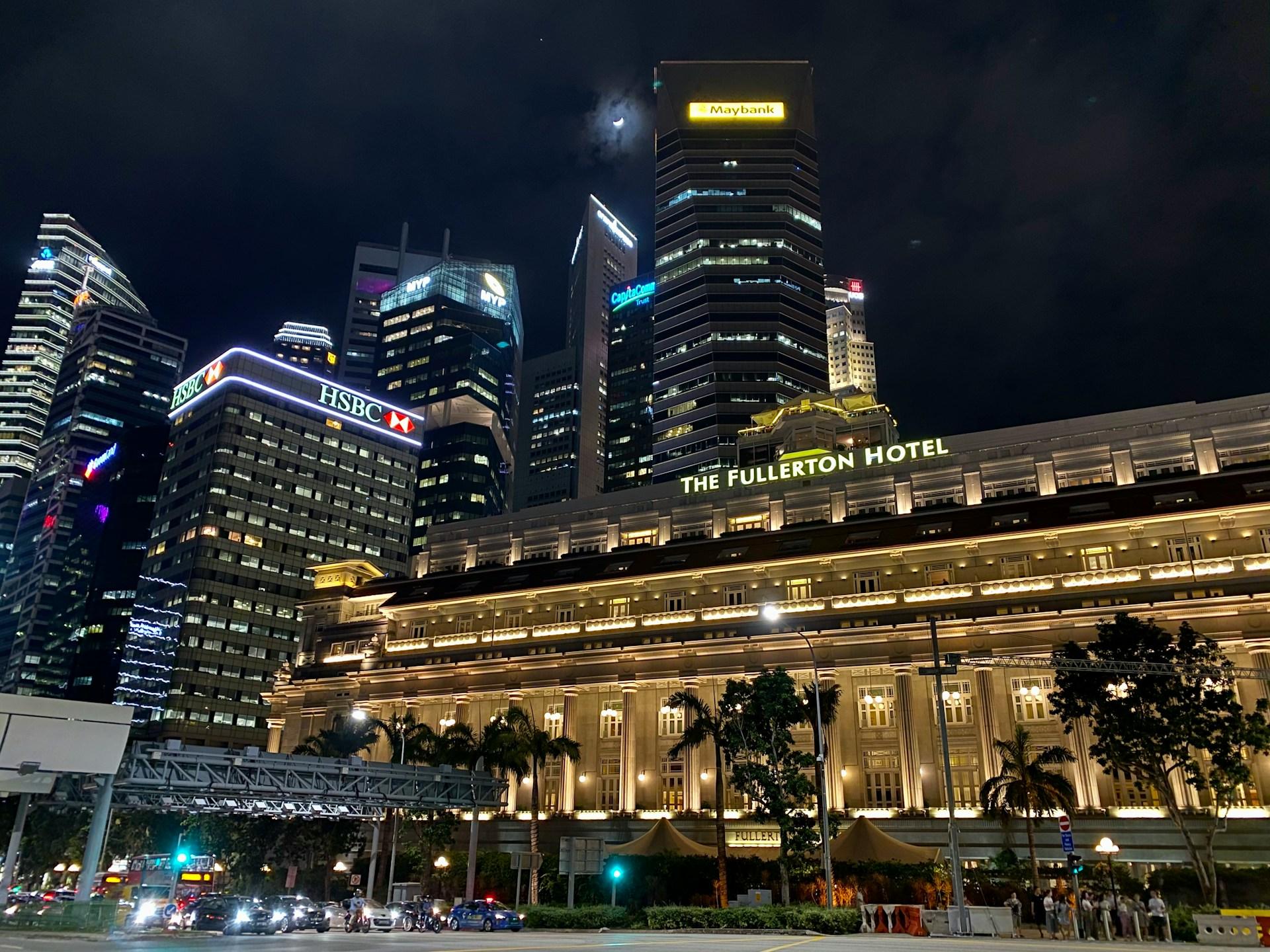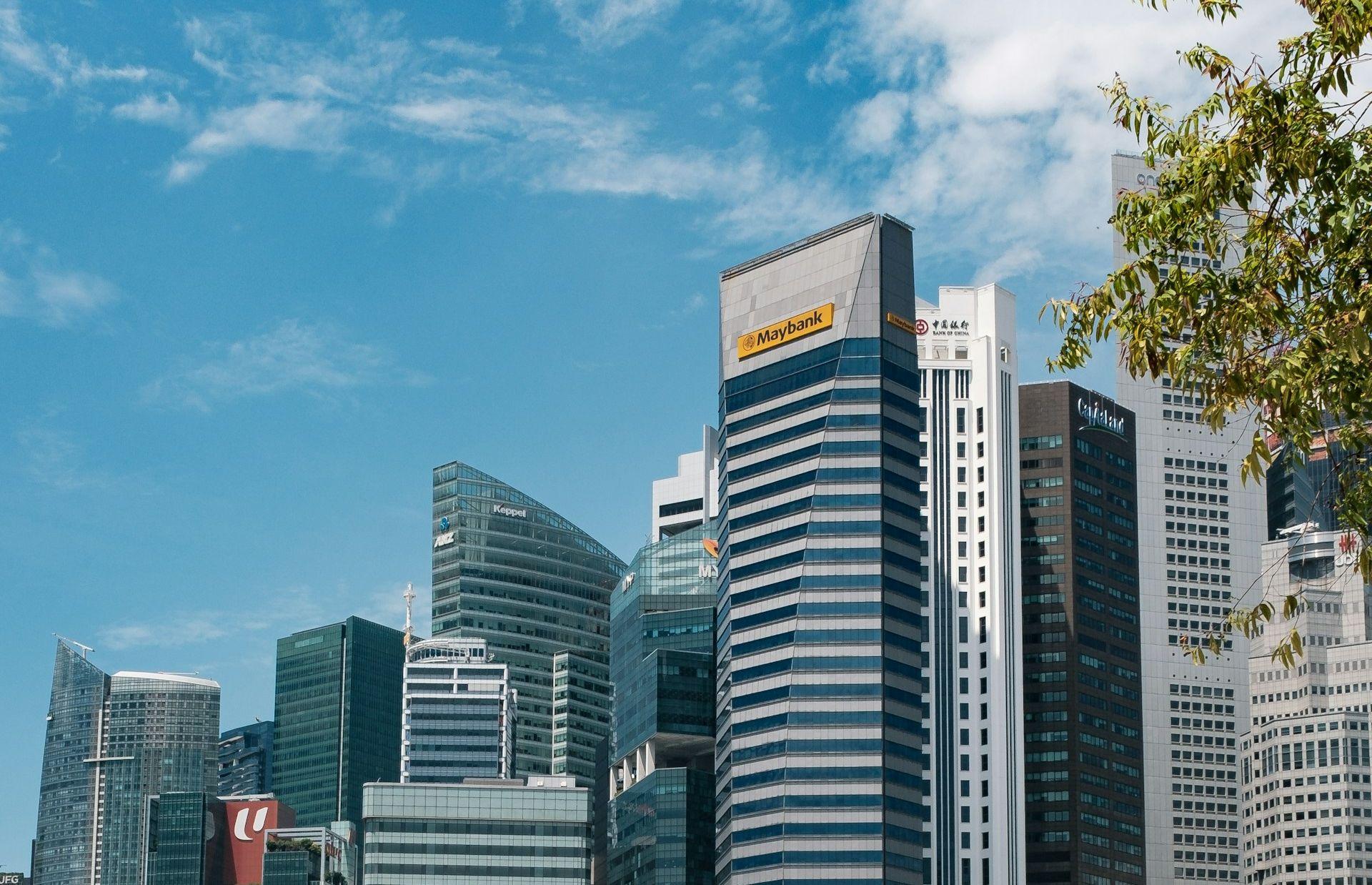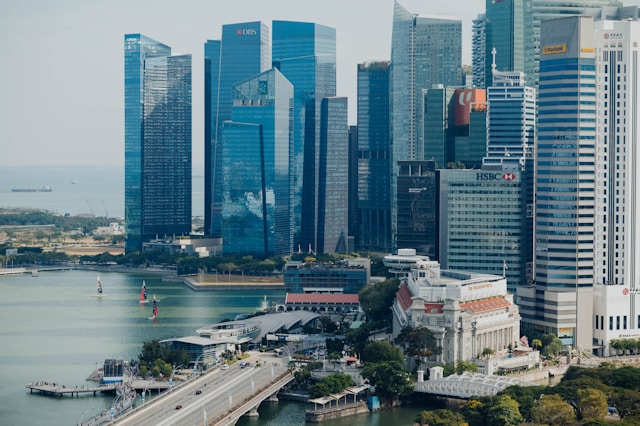
Banks and financial institutions sit at the center of Singapore’s economic model because the country is built on openness, trust, and speed. In a small domestic market with deep links to global trade, money needs to move efficiently, risks need to be priced accurately, and businesses need dependable access to liquidity across cycles. When that financial machinery works well, it does more than support growth. It strengthens Singapore’s position as a place where regional and global firms can operate with confidence, even when external conditions are volatile.
At the most fundamental level, banks provide the balance sheet capacity that keeps the real economy running. This is not only about long-term loans for expansion. In a trade-oriented hub, everyday activity depends on working capital, credit lines, and short-term facilities that bridge the gap between producing goods or services and receiving payment. A distributor needs financing to carry inventory, a shipping-related business needs cashflow certainty while invoices settle, and an exporter needs trade facilities that make cross-border transactions viable at scale. By extending credit and structuring facilities around business needs, banks help firms operate with stability and plan for growth instead of reacting to cash crunches. That steady access to financing also makes Singapore a practical base for regional operations, because treasury teams value predictable banking relationships and well-developed credit markets.
Beyond credit, financial institutions provide the infrastructure for payments and settlement, which is easy to overlook until something goes wrong. Payments are the daily circulatory system of an economy. When salaries, supplier invoices, retail purchases, and cross-border transfers can be processed quickly and securely, commerce becomes smoother and more efficient. For households, that means convenience and trust in electronic payments. For businesses, it means fewer delays, better cashflow visibility, and less administrative friction. For the broader economy, it means a stronger foundation for productivity because time and resources are not wasted on managing payment uncertainty. In a digitally advanced environment, payment reliability is not a cosmetic upgrade. It is an economic advantage that supports both domestic consumption and Singapore’s attractiveness as a regional platform.
The role of banks also extends into the way monetary and financial conditions are transmitted through the economy. Singapore’s macro framework places heavy emphasis on stability and confidence, and the financial system is one of the key channels through which policy credibility becomes real-world outcomes. When liquidity is ample and well-managed, businesses can invest, consumers can spend with more certainty, and markets can price assets without excessive volatility. When confidence is fragile, even a healthy domestic environment can feel tighter because global shocks quickly influence local funding costs and risk appetite. Banks and financial institutions help moderate this by maintaining resilient balance sheets, managing liquidity prudently, and operating within supervisory standards designed to protect system stability.
Household financial health is another area where the influence of banks is both direct and far-reaching. Deposits, mortgages, and consumer credit shape the way families build savings, buy homes, and manage short-term needs. Housing is especially important in Singapore because property is closely linked to household wealth perceptions and long-term financial planning. When mortgage lending is conducted responsibly, with careful assessment of affordability and risk, it supports homeownership in a way that is sustainable for both families and the financial system. When consumer credit is priced appropriately and offered with clear safeguards, it can smooth household cashflow without pushing borrowers into stress. In this way, banks help shape not only household outcomes but also broader economic resilience, because household balance sheets influence consumption patterns and the stability of the banking system itself.
A defining characteristic of Singapore’s economy is its global connectivity, and financial institutions reinforce this through market-making, risk transfer, and hedging services. Businesses operating across borders face constant uncertainty, from currency movements to interest rate shifts to commodity price changes. Singapore’s financial sector provides the tools and market depth that allow these risks to be managed rather than absorbed blindly. Robust foreign exchange and capital markets are not merely status symbols for a financial center. They reduce the cost of uncertainty for firms, improve the feasibility of regional trade and investment activity, and make Singapore a more efficient location for treasury and risk management functions. When companies can hedge exposures with confidence, they are better positioned to invest and expand, even in a less predictable global environment.
This connects to another major contribution: Singapore’s ability to attract and anchor global capital. A sophisticated financial ecosystem encourages international banks, asset managers, insurers, and market intermediaries to place high-value functions in Singapore, such as regional treasury centers, wealth management operations, and investment decision-making teams. These activities create skilled employment, deepen the professional services ecosystem, and generate spillovers into technology, compliance, and corporate services. Over time, the financial sector becomes a cluster, where the presence of credible institutions attracts more activity, which in turn supports better services, deeper markets, and stronger talent pipelines. The economic effect is cumulative. Each additional layer of capability makes Singapore more attractive as a place to allocate capital, conduct cross-border business, and manage regional financial operations.
At the same time, it is important to acknowledge that the central role of finance comes with real tradeoffs. A globally connected financial system cannot avoid exposure to global cycles. When external markets experience stress, funding spreads can widen, risk appetite can fall, and asset prices can reprice quickly. Those changes can tighten financial conditions domestically even if local fundamentals remain sound. This is why supervision and risk management matter so much in Singapore’s model. The goal is not to eliminate exposure, which would be unrealistic for an international hub. The goal is to ensure that banks and institutions carry sufficient buffers, manage concentration risks carefully, and maintain high operational standards so that the system can absorb shocks without transmitting instability to households and businesses.
Ultimately, the role of banks and financial institutions in Singapore’s economy is best understood as a blend of practical functions and strategic positioning. They provide the credit that powers enterprise, especially in trade-heavy sectors that depend on working capital and cross-border facilities. They operate the payment and settlement rails that keep commerce fast and dependable. They support the transmission of stable financial conditions by maintaining prudent liquidity and risk practices. They enable businesses and investors to hedge exposures, price risk, and manage uncertainty with greater precision. They also anchor global capital and high-value financial activity that reinforces Singapore’s place as a trusted regional and international hub.
In Singapore, finance is not simply a supporting service. It is part of the country’s core economic infrastructure. The strength of that infrastructure influences how confidently businesses expand, how securely households manage their financial lives, and how effectively Singapore competes as a gateway for regional and global flows. When banks and financial institutions remain resilient, well-governed, and innovative, they help Singapore convert credibility into capacity, and they reinforce the stability that an open economy needs to thrive.
 WhatsApp
 Instagram
 Threads