A supply chain is the end to end system that moves a product or service from its earliest inputs to the moment a customer receives value. It includes the physical flow of raw materials and components, the transformation of those inputs into finished goods, and the distribution channels that deliver the final product to market. Just as importantly, it includes the less visible architecture that makes those movements possible: information sharing, contracts, financing, compliance rules, and the coordination mechanisms that keep each handoff reliable. Although the term “chain” suggests a neat sequence, modern production is better understood as a network, with multiple suppliers at different tiers, parts that cross borders more than once, and factories that serve many brands at the same time.
At the beginning of any supply chain are inputs. Every item on a shelf starts as something extracted, grown, or produced as a basic component. These inputs are sourced based on price, quality, reliability, and regulatory fit. In many industries, suppliers cannot be swapped casually. A replacement supplier may need certifications, testing, or approvals, and the supplier’s location may determine whether a product qualifies for certain trade rules or can be sold in certain markets. Over time, these practical constraints make supply chains more rigid than outsiders expect, even when the market looks competitive on paper.
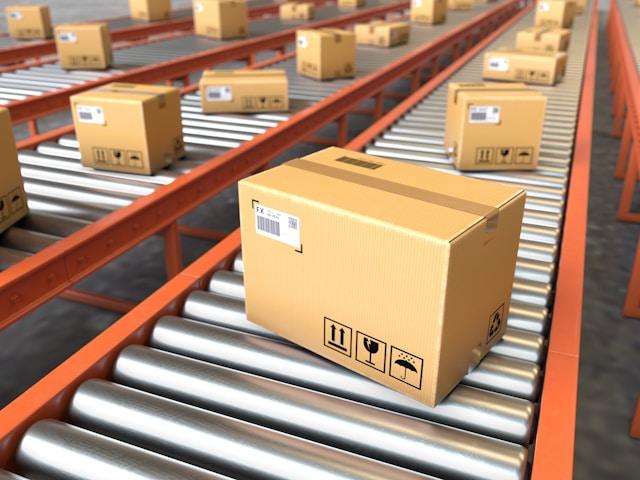
The next stage is conversion, which is where a product is made, assembled, refined, packaged, or otherwise turned into something ready for sale. This phase is often spread across multiple locations because each step may require specialized equipment, skilled labor, or access to a particular industrial ecosystem. A single missing part can halt a production line, which is why the conversion stage exposes the true economics of supply chains. Inventory policies, lead times, quality control, scrap rates, and the discipline of scheduling all determine whether a company can produce steadily or lurch from one disruption to the next.
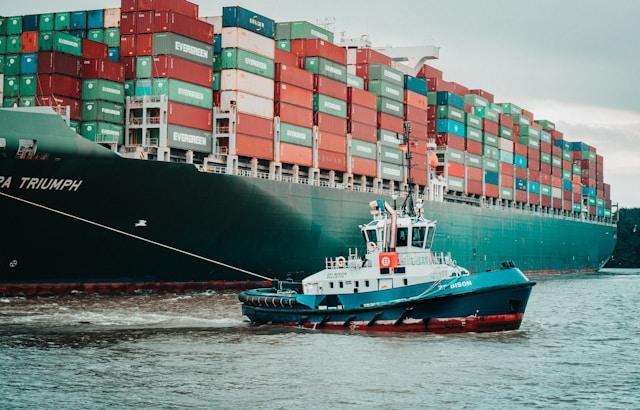
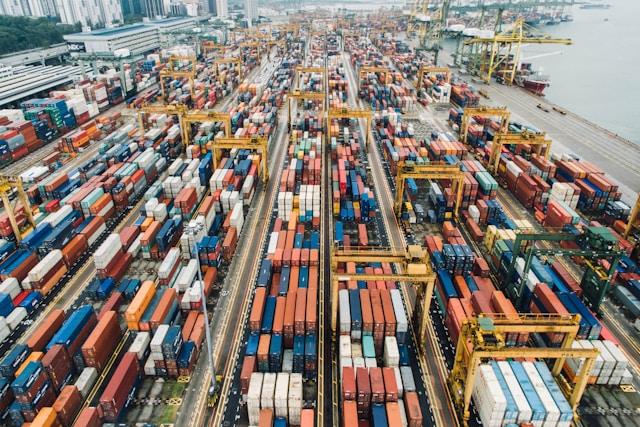
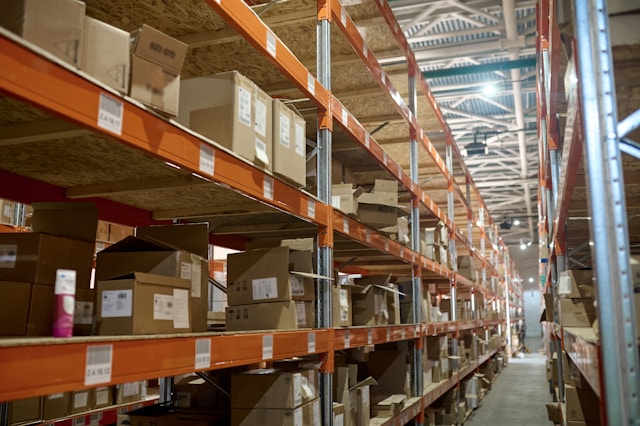
Distribution is the segment most people recognize because it is visible and measurable. Goods move through ports and airports, travel by rail or truck, and pause in warehouses that buffer the unpredictability of demand and transportation. Yet distribution is only as dependable as the upstream planning that feeds it. When demand is forecast poorly, orders come late and urgent shipping becomes a costly patch. When upstream capacity is fixed, even expensive transport cannot rescue a schedule. This is why supply chain performance cannot be reduced to shipping speed alone. It is the outcome of many upstream decisions about sourcing, production planning, and inventory buffers.
Beneath the physical movement of goods sits a financial and contractual skeleton. Trade depends on terms that define when risk shifts from seller to buyer, how payment is secured, and how disputes are handled. Financing instruments such as supplier credit, insurance, and bank-backed payment structures turn trust into a transaction that can scale across borders. These arrangements shape who bears pressure in the system. When large buyers push long payment terms, the burden shifts to smaller suppliers, who may respond by cutting redundancy, delaying maintenance, or relying too heavily on a single customer. Those choices can reduce resilience and make failures more likely, especially in lower tiers of the network that are harder to monitor.
Regulation and governance form another critical layer. Supply chains operate within rules on customs, product standards, labor requirements, environmental compliance, sanctions, and export controls. For trade hubs, credibility in documentation, predictable dispute resolution, and efficient compliance processes are as important as physical infrastructure. A port can have world-class cranes and still lose relevance if counterparties doubt the integrity of paperwork or worry about regulatory uncertainty. In that sense, supply chains do not depend only on geography. They also depend on institutions that reduce friction and increase trust.
Over the past decade, supply chains have become central to economic and political conversations because they transmit disruptions into prices and corporate outcomes. When routes are blocked or capacity is constrained, freight costs rise and lead times stretch. Firms then change their behavior, often ordering extra to avoid shortages, which can inflate demand artificially and worsen the very scarcity they fear. Inventory becomes a financial issue because goods in transit or stuck at bottlenecks represent cash that cannot be used elsewhere. A company may still appear profitable while struggling with liquidity because product is delayed, misallocated, or tied up in excess stock.
Supply chain management is the discipline that designs and controls this network to meet service expectations while balancing cost and risk. It includes supplier strategy, production planning, inventory policy, transport decisions, contingency planning, and the data systems that make all of that visible. Modern supply chains are partly a software challenge, because forecasting, order management, and track-and-trace can reduce uncertainty and improve decision-making. Yet technology does not remove physical constraints. It can show where a bottleneck is and how severe it is, but it cannot instantly create additional manufacturing capacity, port throughput, or available trucks.
Ultimately, the core tension in supply chain design is the tradeoff between efficiency and resilience. Efficiency is often achieved by minimizing slack: less inventory, fewer suppliers, tighter schedules, and leaner warehousing. Resilience is built by keeping options: additional suppliers, strategic stock, extra capacity, and alternative routes. Options cost money and can look wasteful during calm periods, which is why many organizations historically treated supply chains mainly as cost centers. That mindset is shifting. In a world of recurring shocks, supply chain decisions are increasingly strategic, shaping profit stability, customer trust, and even broader economic confidence.
Understanding what a supply chain is, then, means recognizing it as more than logistics. Logistics is a crucial part of the picture, but a supply chain also includes procurement, production, finance, governance, and the information flows that synchronize the whole system. The weakest points often appear at the interfaces between those functions, where incentives misalign or visibility breaks down. Companies and economies that manage these networks well do not simply move goods faster. They build systems that can absorb disruption, protect reliability, and deliver value even when the world is less predictable than their spreadsheets assumed.
 WhatsApp
 Instagram
 Threads