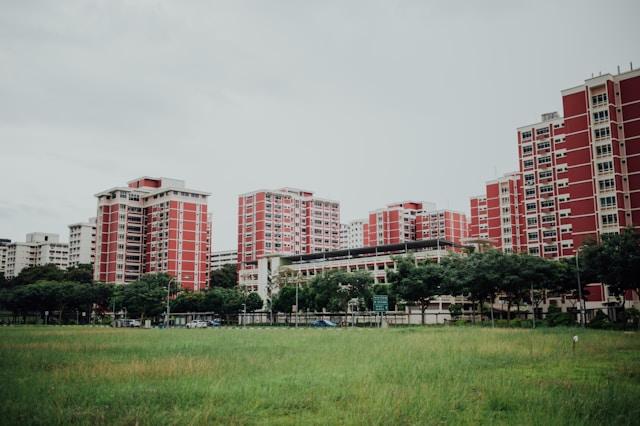
Renting a home in Singapore can look straightforward from the outside. You scan listings, book a viewing, negotiate a number, and sign a tenancy agreement. In reality, most rental stress does not come from a single dramatic event. It comes from small mistakes that accumulate quietly, turning ordinary issues like a leaky tap, a scratched floor, or a delayed repair into a bigger conflict about money, responsibility, and trust. Many tenants only learn this after they have moved in, when their leverage is lower and their timeline is tighter. The good news is that the most common problems are predictable, and that predictability means they are also avoidable.
A recurring mistake is treating the listing as the truth instead of treating it as an invitation to verify. Photos can hide what daily living reveals. A unit might feel bright in a staged shot but become noisy at night due to traffic or a nearby restaurant. A living room might look spacious until you realize the air-conditioning placement limits furniture layout, or a beautiful balcony becomes unusable because of wind, dust, or nearby construction. Tenants often fall in love too quickly, then rationalize red flags because they want the unit to work. When that happens, they stop asking the questions that protect them later. They assume “move-in ready” means operationally sound, when it can simply mean cosmetically presentable. Air-conditioning systems can cool during a short viewing yet leak after prolonged use. Appliances can power on but fail under daily load. Plumbing can pass a quick test but clog once real routines begin. If a tenant does not slow down to test, check, and confirm, they end up paying for certainty that was never purchased.
The same pattern shows up in how tenants think about rules. In Singapore, a unit is not just a private space. It sits inside a regulatory environment and, often, within building management practices that have real consequences. HDB flats and private properties are not governed identically, and tenants sometimes assume the differences do not matter to them because they are “just renting.” That assumption breaks when occupancy limits become relevant, when approval requirements appear, or when the landlord discovers the tenant’s living arrangement is not aligned with what is allowed. Tenants who plan to share a unit with friends, host family for extended stays, or add a roommate mid-lease sometimes do not realize how sensitive occupancy and subletting conditions can be. When those conditions are breached, the dispute is no longer about lifestyle. It becomes about compliance, and compliance disputes tend to end badly for the party without the paperwork.
Another common mistake is skipping credibility checks because the viewing feels professional. Many tenants assume that anyone showing a unit has the authority to promise what is being discussed. They treat the agent’s confidence as a substitute for documentation. But authority matters, and it is not always obvious who holds it. An agent may be acting on the landlord’s instructions, but the landlord may still be the only person who can approve changes to the contract or confirm who pays for what. In other cases, the person presenting the unit may not be representing the tenant at all. Tenants can end up signing forms or agreeing to commissions without fully understanding what those documents mean. In a fast-moving rental market, it is tempting to treat paperwork as administrative noise. That is exactly how tenants walk into avoidable obligations. When you do not know who the agent represents, you do not know whose interests are being protected. When you do not understand what you signed, you do not know what you owe.
The heart of most tenant mistakes is the tenancy agreement itself. Many renters approach it as a standard template that only needs a quick skim. They focus on rent, deposit, and the lease term, then assume the rest is boilerplate. In practice, those “boilerplate” clauses are the clauses that decide whether you lose weeks of sleep when something breaks. Contract wording determines whether an expensive repair is yours or the landlord’s, how quickly a landlord must respond, and what counts as the tenant’s duty versus normal wear and tear. If a lease is vague about maintenance responsibilities, the tenant may discover that a simple breakdown becomes a debate over definitions. The landlord might argue the tenant failed to maintain the unit. The tenant might argue the problem is due to age. Without clear language, both sides can claim to be reasonable, and reasonableness does not automatically return the deposit.
Early termination is another area where tenants assume a cultural norm is the same as a contractual right. People hear about break clauses, including the idea of a diplomatic clause, and treat it as something that naturally comes with renting in Singapore. But break clauses are not universal, and even when they exist, they depend on how they are drafted. Notice periods, minimum occupancy requirements, and the conditions for invoking the clause vary widely. A tenant who assumes flexibility may accept a lease that offers none, then discover too late that a job change or relocation does not create an automatic exit. That is not bad luck. It is a mismatch between expectations and the contract that was actually signed.
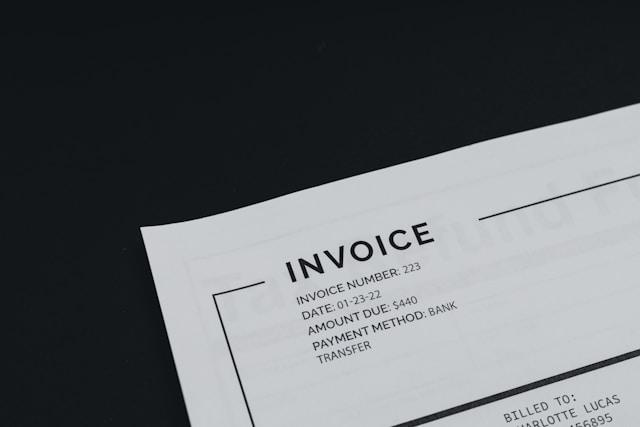
Money mistakes often appear in the form of forgotten compliance and unclear payment trails. Tenants frequently underestimate how important clean documentation is in a financial relationship where the deposit sits as a silent pressure point. When payments are made casually, through informal channels, or without clear references, disputes become harder to resolve. A transfer that is not labeled properly can be argued over later. A cash payment without a written acknowledgement creates uncertainty at the exact moment you want clarity. Even the basics of stamping and duties can be overlooked when people are rushing. In Singapore, stamp duty can apply to tenancy agreements, and who pays it can depend on the arrangement and what is agreed. Tenants who do not clarify responsibilities early may find themselves paying unexpected costs or dealing with issues when they need a properly documented contract for administrative purposes.
Once the keys are handed over, the most damaging mistake tenants make is failing to document the unit like they will need to prove something later. Many people take a few photos for memory, not for evidence. They do not capture the corners, the underside of sinks, the condition of grout, the existing scuffs on flooring, or the state of furniture upholstery. They might accept an inventory list without checking whether it matches reality. They might overlook small defects because they feel awkward pointing them out. Then months later, at move-out, those small defects are treated as damage and priced as deductions. The tenant is left arguing fairness, which is a weak position when the other party controls the deposit. Documentation is not about distrust. It is about aligning reality. A move-in inspection, recorded clearly with date-stamped photos and a signed list of existing issues, changes the entire dynamic of deposit discussions later.
The daily living phase of a lease is where informal habits create expensive outcomes. Many tenants communicate in ways that feel easy at the time, such as quick calls, casual messages, or verbal assurances. The problem is not that these channels are bad. The problem is that they are insufficient when memory and accountability diverge. If a water leak appears and a tenant reports it verbally, there may be no proof of when the report was made. If the landlord promises to send someone next week and the tenant accepts it verbally, there may be no record of the promised timeline. When delays stack up and damage spreads, the landlord can claim the tenant did not report promptly. The tenant can claim they did. Without a written trail, the truth becomes difficult to prove, and the party holding the deposit often has the advantage.
Repairs are a particularly sensitive area because they sit at the boundary of “tenant’s duty” and “landlord’s responsibility.” Some leases include a monetary threshold, where the tenant handles minor repairs up to a certain amount while the landlord covers major ones. Others are less explicit. Tenants who do not clarify this upfront may end up paying out of pocket for issues they assumed were the landlord’s obligation. Even when the landlord is responsible, tenants sometimes delay reporting problems because they do not want to appear demanding. That reluctance can backfire. Minor problems become bigger ones, and bigger ones create bigger arguments.
Another quiet source of trouble comes from building management rules. Condominiums and managed developments often have specific procedures for moving in and out, booking service lifts, paying refundable deposits to management, or complying with renovation restrictions. Tenants sometimes treat these rules as optional until they receive a complaint. When they do, the landlord may respond by framing the issue as the tenant’s failure to comply, which can then spill into deposit discussions. A tenant does not need to memorize every building rule, but they do need to understand that these rules exist and that a landlord may hold the tenant responsible for breaches, whether the tenant was aware of them or not.
Cost planning mistakes are another recurring theme. Tenants often optimize for rent and ignore total monthly burn. Utilities, internet setup, air-conditioning servicing expectations, cleaning, and small replacement items add up. A unit that looks affordable on rent can become tight on cash flow once the full cost stack is visible. This is especially true for first-time renters who underestimate the pace of maintenance costs in Singapore’s climate. Air-conditioning is not a luxury here, and servicing it regularly can be part of keeping the unit functional and preventing bigger issues. Tenants who do not account for these realities sometimes end up reducing maintenance to save money, only to face larger costs later when systems fail.
Renewal is the moment tenants often stop being careful. The first year of renting is filled with caution because everything feels new. By year two, comfort replaces vigilance. Some tenants treat renewal as an automatic extension, when it is actually a renegotiation opportunity and, sometimes, a repricing event. If the first contract was vague, renewal is the time to clarify. If repairs were a recurring friction point, renewal is when responsibilities should be rewritten in plain terms. If a tenant discovered that certain furnishings were in poor condition, renewal is when replacement or removal should be discussed. Tenants who sign renewal papers quickly may unknowingly accept new clauses or adjusted conditions without fully understanding them, simply because they assume the relationship is stable. Stability is not a substitute for reading what you sign.
Move-out is where most tenant mistakes come due. The biggest failure is leaving the exit plan to the last week. Tenants are often juggling relocation timelines, work schedules, and handover logistics, and that pressure makes them more likely to accept unfair deductions just to be done with it. Many tenancy agreements include specific move-out obligations, such as professional cleaning, reinstatement requirements, or arrangements for inspection. Tenants who do not revisit these obligations early can end up rushing to meet them, paying higher prices for last-minute services, or missing requirements altogether. Missing them can then become a justification for deposit deductions.
The inspection process itself is another trap. Tenants sometimes hand back keys without a structured joint inspection, or they do an inspection casually without documenting what was agreed. Later, the tenant receives a message with a list of deductions, sometimes with vague descriptions and inflated costs. At that point, the tenant is no longer in the unit, may no longer be in Singapore, and is negotiating from afar. This is why a clear inspection process matters. A joint walkthrough, documented findings, and an itemized approach to any deductions reduces the space for ambiguity. If a landlord plans to deduct for damage, the tenant should be able to understand what the damage is, how it is attributed, and how the cost is justified.
When disagreements escalate, tenants may need to consider formal dispute channels, and that is where documentation becomes decisive. In lower-value disputes, Singapore provides accessible routes like the Small Claims Tribunals for eligible cases. The tribunal process is not about who feels more wronged. It is about evidence, timelines, and what can be demonstrated. Tenants who relied on memory, verbal conversations, and informal arrangements often struggle at this stage because they do not have the structured proof needed to support their position. Tenants who kept records, photos, written communications, and receipts walk in with a narrative that can be verified.
If there is a single takeaway that ties these mistakes together, it is that renting should be treated as a system rather than a vibe. The system includes verification before commitment, clarity in contract terms, disciplined documentation at move-in, written communication during the lease, and structured procedures at move-out. Tenants rarely lose money because they are reckless. They lose money because they are casual in places where the relationship is not casual. A lease is a legal and financial arrangement with built-in incentives, and one of those incentives is the deposit. Whoever holds it has leverage, especially when time is short.
Renting well in Singapore does not require paranoia. It requires competence. Competence looks like asking the unglamorous questions before you fall in love with the unit. It looks like reading the tenancy agreement as if it will be enforced at the worst possible time, because that is often when enforcement happens. It looks like taking photos that feel excessive at move-in, because those photos become priceless later. It looks like sending the polite message that confirms what was said on the phone, because politeness can coexist with documentation. It looks like planning your move-out early, because rushing is when mistakes become expensive. Most tenant mistakes are not dramatic, which is why they are easy to underestimate. But the rental experience in Singapore rewards people who are quietly thorough. When you treat the process as a system you can manage, you stop being at the mercy of surprises. You start renting with confidence, not because nothing will go wrong, but because when something does, you have already built the structure that protects you.
 WhatsApp
 Instagram
 Threads