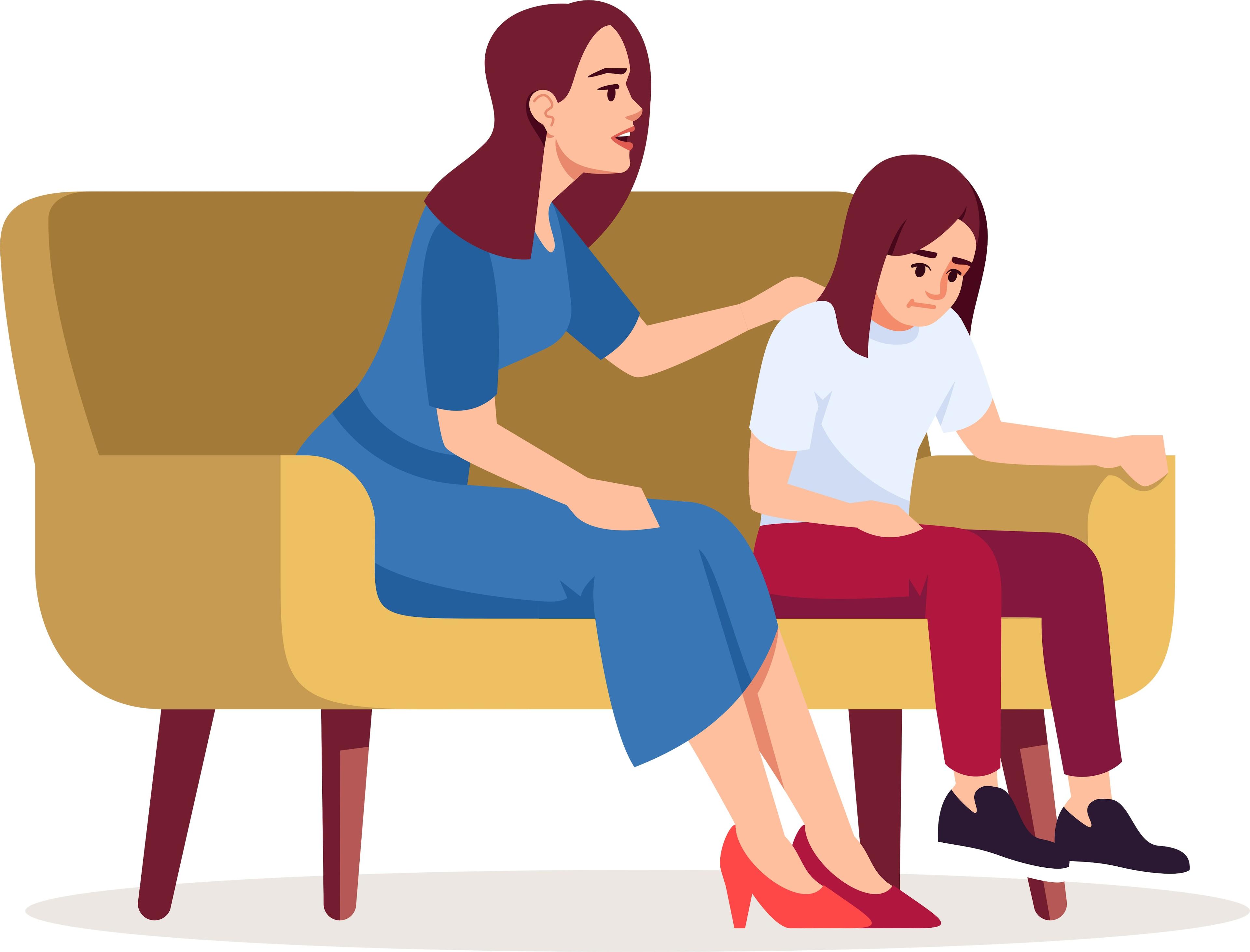
Permissive parenting is often chosen with the best intentions. It can look like a home filled with warmth, open communication, and a strong desire to protect a child’s feelings. Many parents lean this way because they want to be more understanding than the adults they grew up with, or because they believe that fewer rules will naturally produce more confident, self-directed children. Yet a family is not only built on affection. It is also built on structure, and when structure is missing or inconsistent, the everyday experience of home can become surprisingly stressful for both children and parents.
One of the most common downsides of permissive parenting is that daily life can start to feel loud and unstable, even when nobody is shouting. When expectations shift from day to day, children are left to guess what will be allowed and what will not. This uncertainty often leads them to test boundaries repeatedly, not necessarily out of defiance but because they are trying to understand where the limits are. If a “no” turns into a “yes” after enough pleading, or if rules change depending on a parent’s energy level, children quickly learn that persistence is a strategy. What looks like flexibility can unintentionally turn the home into a place where everything is negotiable and where calm depends on constant bargaining.
This pattern tends to weaken routines, which are one of the quiet foundations of a stable household. Routines reduce stress because they make life predictable. Bedtime, mealtimes, homework windows, and simple responsibilities like cleaning up all become easier when they happen in a familiar order. In permissive homes, routines can become fragile because enforcement feels optional. A flexible bedtime may seem harmless on a single night, but repeated inconsistency can create ongoing sleep issues, which then affects a child’s attention span, mood, and ability to regulate impulses. Over time, parents may find themselves dealing with more resistance around transitions, because every transition feels like a new negotiation instead of a normal part of the day.
Another downside is that self-control skills can develop more slowly when boundaries are not consistently practiced. Independence does not grow from unlimited freedom. It grows from learning to function well inside limits. Children build patience by waiting, frustration tolerance by hearing “not right now,” and responsibility by completing tasks that are not optional. When parents frequently remove demands to avoid upsetting a child, the child gets fewer chances to learn how to cope with discomfort. The result can be a child who is emotionally expressive but easily overwhelmed by disappointment, or who expects the environment to adapt to them rather than learning how to adapt within the environment.
Permissive parenting can also raise anxiety in children in a way that surprises many adults. Children may ask for control and argue for their preferences, but they usually do not want to be responsible for steering the entire household. When a parent hesitates to set limits, children can sense that uncertainty. For some, this leads to power struggles as they push harder to see what will hold. For others, it creates a subtle worry that nobody is firmly in charge. The paradox is that consistent boundaries often feel safer to children because they communicate that the adult is capable of guiding the family’s rhythm, making decisions, and keeping the environment stable.
Social dynamics can become another area of difficulty. In families with more than one child, unclear expectations may lead to more sibling conflict, since children are left to manage fairness and turn-taking on their own. Outside the home, the challenges can be sharper because schools, sports teams, and peer groups rely on shared rules. A child accustomed to negotiating everything may struggle when teachers set non-negotiable expectations or when peers pull away from someone who insists on having things their way. These experiences can affect friendships and self-esteem, especially if a child feels singled out or misunderstood in structured environments.
For parents, permissive parenting can be emotionally draining. The approach may appear gentler, but it often requires more energy because it turns boundaries into ongoing conversations. When consequences are unclear, parents must improvise responses in the moment, and when children learn to push, parents spend more time managing escalations. Over time, this can create a cycle in which parents feel exhausted and children feel increasingly unsettled. The household becomes dependent on a parent’s emotional stamina rather than supported by consistent expectations that reduce conflict in the first place.
The difference between empathy and enabling can also become blurred. Empathy is essential in parenting, but empathy does not require removing every demand that causes discomfort. Children can be disappointed and still do the chore. They can be angry and still speak respectfully. They can be frustrated and still go to bed. When discomfort automatically leads to changed rules, children may not learn coping strategies that help them handle challenge, boredom, or frustration. Instead, they may learn that discomfort is something to avoid at all costs, which can limit their resilience as they grow.
Some of the most immediate risks appear in areas like safety and digital habits. Safety rules depend on consistency, whether they involve crossing roads, supervising water play, or respecting boundaries with strangers. Digital life raises the stakes even more, since apps are designed to keep children engaged and social pressure is constant. In a permissive environment, device limits may be difficult to enforce, and children may come to expect exceptions whenever they protest. Without clear boundaries, parents can lose credibility, and children may struggle to develop healthy self-regulation around screens.
In the long term, the cost of permissive parenting often shows up when children face environments that will not bend. Adolescence and early adulthood bring deadlines, expectations, and responsibilities that are built into school systems, workplaces, and relationships. A young person who has not practiced consistent follow-through at home may feel overwhelmed by structure later, not because they are incapable but because they have had fewer chances to build these skills gradually. Learning everything at once under pressure can feel destabilising, and it can lead to harsher self-criticism than if those habits had been developed in small steps over time.
Still, the answer is not to replace permissiveness with harshness. The strongest alternative is a steadier form of warmth, one that treats boundaries as part of care. A stable home does not require endless rules. It requires clear, consistent expectations that children can rely on. Choice can still exist, but within firm limits. Emotions can still be welcomed, while behaviour is guided with calm follow-through. In many families, that combination of warmth and structure reduces conflict, lowers anxiety, and helps children build the resilience they need to thrive beyond the home.
 WhatsApp
 Instagram
 Threads