Solo travel has a way of looking like pure freedom from the outside. You picture yourself arriving in a new city with nothing but a light bag and an open schedule, moving through museums and markets at your own pace, answering only to your own curiosity. That freedom is real. But it also has a quieter cost that becomes clearer the longer you travel alone. The disadvantages of solo traveling are not always dramatic, yet they shape the experience in practical and emotional ways, especially when you are the only person responsible for every decision, every adjustment, and every moment of comfort.
One of the first challenges many solo travelers notice is how quickly freedom can turn into constant decision making. In everyday life, routines do much of the work for us. We know where things are, how to get around, and what choices keep our days flowing. On a solo trip, those routines disappear, and even small decisions multiply. You have to decide where to eat, how to get there, whether a street feels safe after dark, whether you should spend more for convenience, and whether you have the energy for one more stop. When you are traveling with someone, the mental load can be shared. Alone, every choice lands on you, and over time that can create a steady sense of fatigue that does not always match the “carefree” image of solo travel.
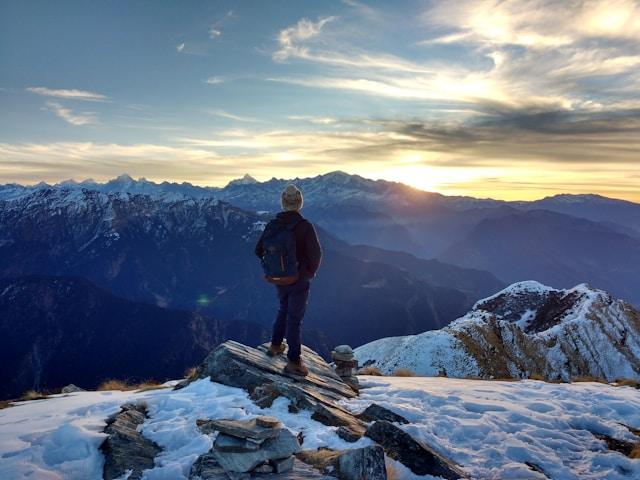
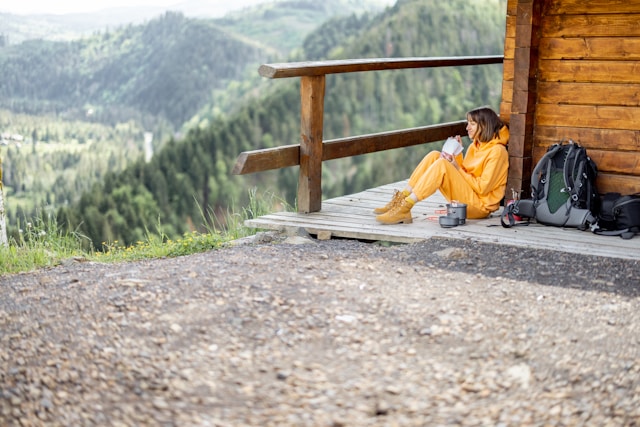
Loneliness is another disadvantage that can arrive in unexpected ways. It does not always show up as sadness, and it is not a sign that something is wrong with you. Sometimes it is simply the feeling that your experiences have nowhere to land. You can stand in front of a breathtaking view and still feel a small ache because there is no one beside you to share that moment in real time. Even for people who enjoy their own company, there can be points in a trip where the mind starts craving connection, not just independence. The loneliness can also appear in ordinary places, like restaurants where you eat alone night after night, or evenings when you return to your accommodation with stories and no immediate listener.
Safety is often a background task that solo travelers cannot fully switch off. Even in destinations that are generally safe, being alone can make you more aware of your surroundings and more careful about choices that would feel effortless with a companion. You may think more about which routes to take, how late to stay out, how much to carry, and how to stay alert without looking anxious. This layer of vigilance is not necessarily fear, but it does require energy. What makes it heavier is that there is no one to share the awareness. When something goes wrong, even something small like a missed train or a wrong turn, you do not just solve the problem. You also carry the stress of solving it alone.
Many people also underestimate how expensive solo travel can be. Certain costs are designed with pairs or groups in mind. Accommodation is an obvious example, since a room often costs nearly the same whether one person stays or two. Transportation can be similar, because rideshares and taxis do not become cheaper simply because you are alone. Some tours charge a single supplement, and even dining can feel less efficient when the best meals are made for sharing. On top of that, solo travelers sometimes spend more to reduce friction or increase comfort, such as paying for a more central location, choosing guided activities for ease, or taking rides instead of walking at night. These choices can be smart, but they can also quietly stretch a budget.
Another disadvantage is the emotional intensity that can come from having no shared buffer. Travel tends to amplify feelings, and solo travel can amplify them even more. Joy can feel brighter, but frustration can also feel sharper. Without someone to laugh with when something goes wrong, or someone to offer reassurance when plans change, small problems can feel bigger than they would otherwise. Solo travel also requires you to generate your own motivation. If you wake up tired or low, there is no companion to pull you into the day with shared enthusiasm. That independence can be empowering, yet it can also make long trips feel emotionally demanding.
Illness is one of the most practical disadvantages, and it is rarely discussed until it happens. Being sick in an unfamiliar place can be stressful even with support. Alone, it can feel isolating and exhausting because you still need to find medicine, navigate language barriers, make decisions about care, and manage your schedule while your body is asking you to rest. The romance of travel fades quickly when you are dealing with a fever, stomach issues, or a simple cold without anyone to help carry the burden. It is not a reason to avoid solo travel, but it is a reminder that solo travelers benefit from planning for “worst day” scenarios, not only best ones.
Solo travel can also change how memories are made. When you travel with someone, you build a shared archive of small moments that you can revisit together later. Alone, the memories are more internal. They can be deeply meaningful, but they can also feel more fleeting because there is no shared storytelling to keep them alive. Photos and journals help, yet they do not always replace the warmth of remembering with someone who was there. This can contribute to a strange feeling some solo travelers experience after returning home, where the trip was full, yet it feels like it happened in a quiet room without echoes.
There are also social and situational disadvantages that come from being seen as alone. In some places, solo travelers may be more likely to encounter upselling, inflated prices, or subtle pressure tactics because they have less immediate social leverage. Even when you are experienced and confident, constantly assessing motives can be tiring. It adds a layer of caution to interactions that might otherwise feel light and spontaneous.
Finally, solo travel can reveal an overlooked paradox. The flexibility is real, but so is the lack of accountability. Without a travel partner, it can be easier to default to what feels safest or simplest, not necessarily what you truly want to experience. That might mean spending more time in your accommodation than you expected, choosing familiar foods instead of exploring local cuisine, or skipping experiences because the effort of navigating them alone feels too high on a tired day. This is not failure. It is simply a human response to carrying the full mental and emotional workload of a trip.
Taken together, the disadvantages of solo traveling are not a verdict against it. They are a realistic picture of what independence costs when you practice it far from home. Solo travel asks you to become your own planner, protector, motivator, and comfort source. When it goes well, it can build deep self trust. When it feels hard, it is often because you are doing exactly what solo travel requires, holding the whole experience by yourself. The best approach is not to romanticize solo travel or fear it, but to design it with honesty. A trip becomes gentler when you plan for decision fatigue, pace yourself, choose supportive accommodations, and allow connection to be something you intentionally seek rather than something you hope will happen by accident.
 WhatsApp
 Instagram
 Threads