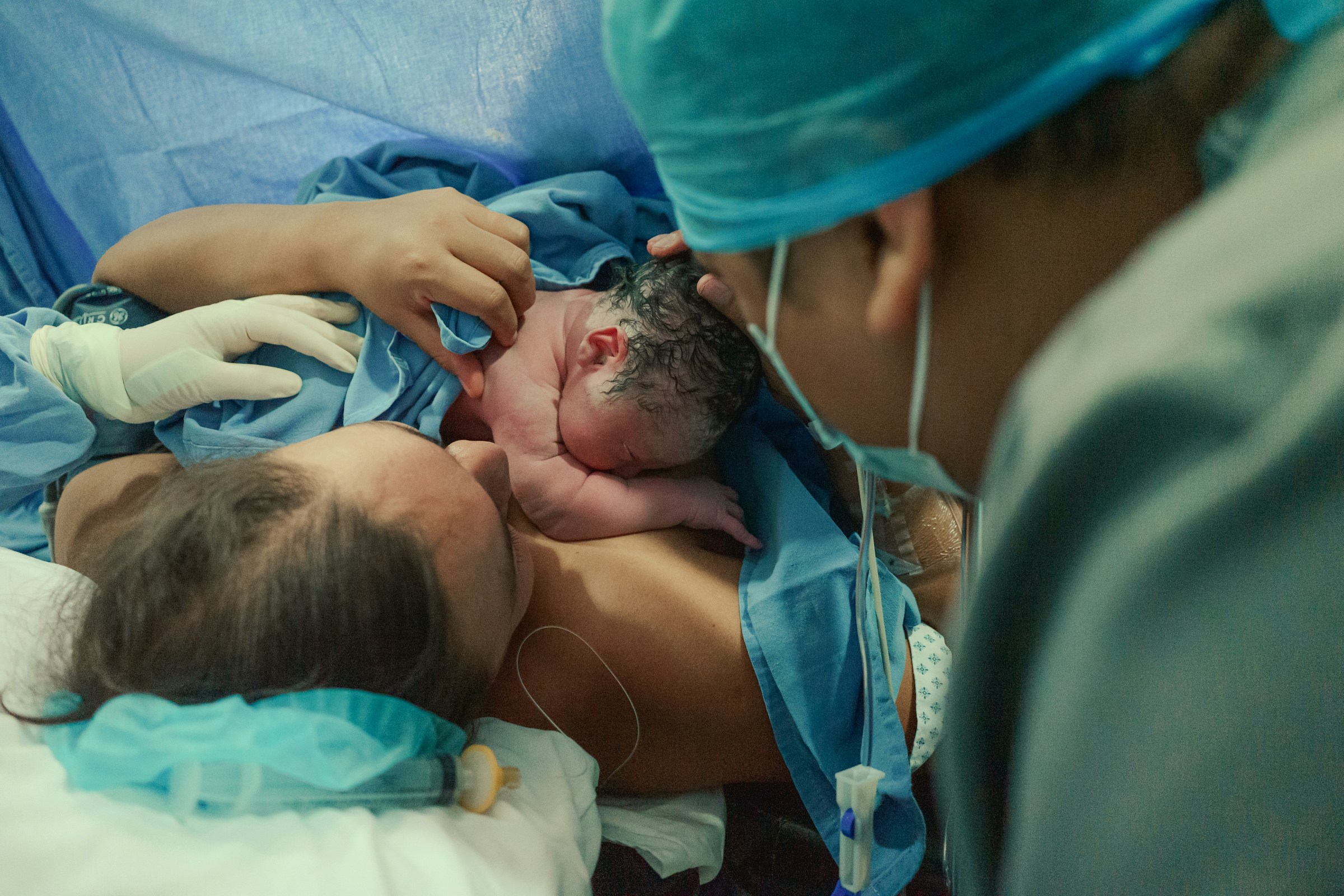
The weeks after childbirth are often described as a blur of feeding schedules, visitors, and trying to sleep whenever the baby sleeps. Beneath that chaos, your body is running one of the most intense recovery processes of your life. Organs are shifting back into place, hormone levels are dropping and recalibrating, blood volume is readjusting, and wounds are healing from the inside out. Your body is both powerful and vulnerable at the same time. In that window, it is easy to focus almost entirely on the baby and overlook danger signs in your own health. Yet those danger signs after childbirth can be the difference between a smooth recovery and a serious medical emergency.
Many new mothers are told to expect pain, fatigue, bleeding, and mood changes, but they are rarely given clear rules for when those symptoms stop being normal and become warning signals. Because of that, a lot of women brush off signs they should not ignore. They tell themselves they are being dramatic, that everyone hurts, or that they should be able to handle it. The reality is different. Postpartum recovery involves real medical risks, and it is not a sign of weakness to ask for help. It is a sign that you understand how much strain your body has just gone through.
One of the most important areas to pay attention to is bleeding. Some bleeding in the form of lochia is expected. After birth, the lining of the uterus sheds, and the discharge starts bright red, gradually turning pink, then brown, and finally a yellowish or whitish color over the course of several weeks. It should slowly decrease with time. What is not normal is bleeding that suddenly becomes very heavy, similar to or even worse than what you experienced right after delivery. If you are soaking through one or more large pads in an hour for several hours, passing clots larger than a golf ball, or noticing that you feel faint, weak, or your heart is racing while you are bleeding, these are not just signs of a heavy period. They can point to postpartum hemorrhage, which is a medical emergency. Even if your bleeding had become light and then suddenly turns heavy again, especially if it comes with dizziness, shortness of breath, or a racing heart, it is safer to be checked than to wait and see.
Another cluster of danger signs after childbirth revolves around infection. In the postpartum period, several parts of your body are healing at once. The uterus is contracting back to its pre pregnancy size, the perineum may have tears or stitches, and if you had a caesarean birth, there is a surgical incision that needs to close properly. All of these are potential entry points for bacteria. Mild cramping and soreness are part of recovery, but there is a clear difference between normal discomfort and the kind of escalation that signals infection. A fever above 38 degrees, especially when it is paired with chills and a sense that your whole body feels unwell, is a serious warning. A foul smelling vaginal discharge, worsening pain in the lower abdomen, or a uterus that feels tender instead of gradually less painful can indicate an infection in the womb. If you notice redness, swelling, warmth, or pus around your C section wound or episiotomy site, or if the skin around those areas feels hot and increasingly painful to touch, those are not just signs of irritation. Infection in the postpartum period can progress quickly, and a delay in treatment can lead to sepsis, which is life threatening. A simple rule of thumb is useful here. If you feel clearly worse at night than you did in the morning, especially if you have fever or chills, treat it as a red flag rather than a normal dip in energy.
It also helps to remember that danger signs after childbirth are not limited to the belly or pelvic area. Pregnancy and the weeks after delivery increase the risk of blood clots. These clots often begin in the deep veins of the legs and can move to the lungs if they break free, which is extremely dangerous. You might first notice that one leg is more swollen than the other, or that there is pain, redness, or warmth, especially in the calf. If one leg suddenly looks and feels different from the other and the discomfort does not go away with rest, do not treat it like a muscle strain. A deep vein clot needs prompt medical attention. If a clot travels to the lungs, it can cause sudden shortness of breath, sharp chest pain that worsens when you breathe deeply, a racing heart, or a troubling sense that you cannot get enough air even when you are sitting still. These are symptoms that should never be ignored at home.
Postpartum health is also strongly tied to mental and emotional wellbeing. Yet mental health after childbirth is often reduced to casual comments about baby blues, as if all mood changes can be brushed aside as hormones or lack of sleep. It is true that many women experience mild mood swings, tears, and irritability in the first days after birth. These usually improve on their own. However, when feelings of sadness, hopelessness, or emptiness last longer than two weeks, or when you lose interest in activities you used to enjoy, struggle to bond with your baby, or feel constant guilt that you are not a good mother, it may be more than baby blues. These are signs of postpartum depression, which is common and treatable, but serious enough to warrant help from a healthcare professional.
More severe symptoms, such as hearing voices, seeing things that are not there, feeling extremely agitated or paranoid, or having thoughts of harming yourself or your baby, are signals of a crisis that needs immediate attention. This may be postpartum psychosis, which is rare but very serious. These thoughts and experiences do not mean you are a bad mother or that you do not love your child. They mean your brain chemistry is under intense pressure and you need urgent support. Mental health is not separate from physical recovery. It is part of the same picture and deserves the same level of care.
The heart and lungs also deserve careful attention. It can be easy to label every irregular heartbeat or strange sensation as anxiety, especially in a period of sleep deprivation and overwhelming responsibility. However, the body after pregnancy is still managing extra fluid, a heart that has been working harder for months, and lungs that are adapting as your organs return to their usual positions. Some warning signs overlap with those of blood clots or high blood pressure, such as sudden shortness of breath, chest pain that does not feel like simple muscle soreness, or a racing heart at rest. If these symptoms occur, particularly if they are new or come on suddenly, they need urgent medical evaluation.
High blood pressure can appear for the first time after delivery or continue from pregnancy into the postpartum period. This is known as postpartum preeclampsia, and it can occur even if your pregnancy blood pressure was normal. Severe headaches that do not improve with regular pain relief, vision changes like blurring, flashing lights, or dark spots, and sudden swelling of the face or hands can all be danger signs. They suggest that your blood pressure could be dangerously high. This is not just ordinary tiredness or eye strain. It is a condition that requires timely treatment to protect your brain, liver, and other organs.
Pain is another area where many mothers try to be tougher than they need to be. Pain after childbirth is expected, but the normal pattern is that it slowly improves. Soreness around tears or stitches, cramping as the uterus contracts, and muscle aches from labor should, over days and weeks, become less intense and less frequent. Pain that moves in the opposite direction, becoming sharper, deeper, or more constant, is a different story. If perineal pain becomes severe, is accompanied by swelling, heat, or a bad smell, or makes it hard to sit or walk, that suggests a problem with healing or infection. If you experience abdominal pain that is focused in one area, feels like stabbing rather than cramping, or makes it difficult to stand upright or take deep breaths, that could indicate complications inside the abdomen. Pain combined with nausea, vomiting, or an inability to pass gas or stool should also be taken seriously. As a personal rule, any pain that wakes you from sleep, stops you from caring for your baby, or comes together with fever, vomiting, or heavy bleeding is a sign that something is not right.
Because the postpartum period is so demanding and your decision making energy is limited, it helps to plan ahead for how you will respond to warning signs. You can think of it as building a small protocol for yourself and your support circle. It might be as simple as writing down what symptoms you will watch and track at home, which ones will trigger a call to your doctor or clinic, and which ones mean you go straight to the emergency department. For example, mild cramping, light bleeding, or occasional mood dips might fall into the category of normal recovery that you monitor. A low grade fever that does not go away, new but moderate pain, or emerging sadness that worries you might belong in the category that calls for a same day medical opinion. Sudden heavy bleeding, difficulty breathing, chest pain, signs of stroke like weakness or confusion, or thoughts of self harm would go into the emergency category where you act first and question later.
It also helps if the people around you know these signals and your plan. Partners, family members, or close friends can be your second set of eyes when you are exhausted or unsure whether a symptom is serious. Share with them what signs to watch for and where you would go for help. Let them know which hospital you prefer, which numbers to call, and where you keep your medical information. Sometimes another person will notice that you look pale, short of breath, or unlike yourself before you are ready to admit it.
The purpose of understanding danger signs after childbirth is not to make you afraid of every twinge or fluctuation in your recovery. It is to give you clarity in a period that naturally feels messy and overwhelming. Most symptoms you experience will fall within the wide range of normal postpartum healing. A small number will not, and those are the ones where knowing what to look for can protect your health and even save your life. You do not have to be endlessly tough or silently strong in the postpartum period. You need to be honest, observant, and willing to ask for help. When something feels deeply wrong, it is better to be checked and reassured than to wait and regret not acting sooner.
 WhatsApp
 Instagram
 Threads