Microplastics are easy to ignore because they do not look like the kind of pollution people are used to fighting. They are not a plastic bag stuck in a tree or a bottle floating in a drain. They are smaller, quieter, and far more persistent. Once you understand what microplastics are, it becomes harder to separate daily life from the plastic footprint that follows it. These particles are not only part of environmental headlines. They are part of modern routines, from laundry day to commuting, from food packaging to household dust.
Microplastics are commonly defined as plastic pieces smaller than five millimeters. That size range includes particles large enough to see, such as tiny flakes or fragments, but many microplastics are far smaller, closer to grains of sand or strands of lint. There is also growing attention on even tinier particles known as nanoplastics, which are measured on a microscopic scale. At that size, the issue becomes more complicated because very small particles can behave differently, travel farther, and may interact with living systems in ways that scientists are still working to fully understand.
The sources of microplastics generally fall into two categories. Some are created small on purpose. These are sometimes called primary microplastics. In the past, certain personal care products used plastic microbeads to add a scrubbing effect. Many places have since restricted their use, showing that regulation can reduce at least one direct pathway of microplastic pollution. However, the larger problem comes from secondary microplastics, which form when bigger plastic items break down over time. Plastic does not dissolve naturally the way organic waste does. Instead, sunlight, heat, friction, and physical wear slowly fragment plastic objects into smaller and smaller pieces. This means that every plastic item that escapes proper disposal has the potential to become a long-term source of microplastics.
Clothing is one of the clearest examples of how microplastics have become woven into everyday life. Many fabrics people wear regularly are synthetic, including polyester, nylon, and acrylic. These materials are essentially plastics turned into fibers. Each time synthetic clothes are washed, tiny strands can shed and flow into wastewater. Some of those fibers are captured during water treatment, but not all of them. Over time, these loose fibers can end up in rivers, lakes, and oceans. This connection between ordinary laundry and environmental pollution shows why microplastics are not only a problem of careless littering. They are also a byproduct of normal consumption patterns.
Another major source is transportation. Tires wear down as vehicles move, brake, and turn. That wear produces microscopic particles that collect on roads and are carried by rain into drainage systems and waterways. Because most communities rely heavily on cars and motor vehicles, tire wear becomes a constant, steady stream of microplastic pollution. This is one reason microplastics feel so difficult to avoid. Even people who reduce plastic packaging or choose reusable items are still surrounded by microplastics that come from shared infrastructure and daily mobility.
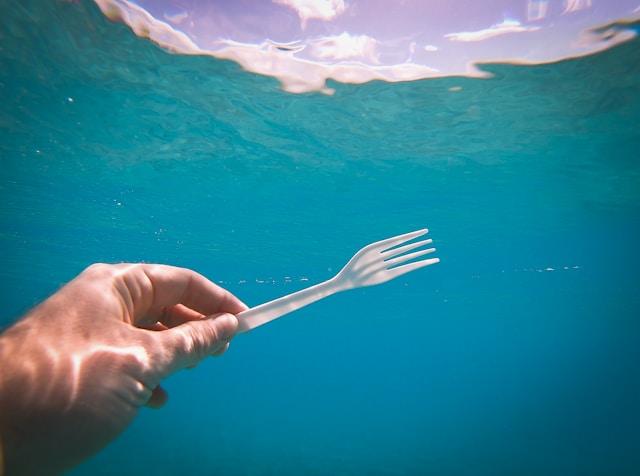
Packaging and containers are another contributor. Plastic bottles, takeaway boxes, wrappers, and disposable utensils can fragment with repeated use, exposure to sunlight, and physical stress. Even routine actions like twisting a bottle cap or opening a container can create very small plastic particles. Over time, the widespread use of plastic packaging creates countless opportunities for plastic to break down into fragments that spread into the environment. These fragments can travel through wind, water, and soil, meaning they do not stay where they were originally used or discarded.
Because of these many sources, microplastics have been detected in places that people once assumed were protected from pollution. Researchers have found microplastic particles in oceans, rivers, and lakes, but also in tap water, bottled water, and even rainwater in some studies. Microplastics have also been found in indoor dust, which makes sense when homes are filled with synthetic fabrics, plastic products, and constant friction from movement and cleaning. The idea that microplastics exist only “out there” in distant oceans is no longer realistic. They can be present in the spaces where people eat, sleep, work, and raise children.
The concern about microplastics is not only about where they are found, but about what they might do. In the natural world, microplastics can be eaten by marine animals and small organisms. Fish, shellfish, seabirds, and even microscopic creatures at the bottom of the food chain can ingest these particles. Sometimes microplastics resemble food. Other times they cling to food sources and are consumed unintentionally. As microplastics move through ecosystems, they can become part of the food web. This is one reason people worry about microplastics in seafood and in wider food systems.
Microplastics can also carry chemicals. Plastics are made with additives that give them certain properties, such as flexibility, durability, or color. In addition, plastic surfaces can attract other pollutants present in the environment. This does not mean every particle acts like a concentrated poison, but it does mean microplastics may not be chemically neutral. Their presence can represent both physical pollution and possible chemical exposure, depending on their composition and what they have interacted with in the environment.
In recent years, researchers have also detected microplastics and nanoplastics in human samples in various studies. This has raised understandable anxiety, but it also requires careful interpretation. The field is still evolving, and detection methods differ from one study to another. Scientists are still building clearer pictures of how people are exposed, what typical levels might be, and what the long-term implications could be. Finding microplastics in the body does not automatically prove a specific health outcome, but it does signal that plastic particles are entering human environments in ways that were not fully understood before.
The difference between detecting something and proving harm matters. Many substances can be detected in the body without immediately causing disease, and scientific caution is important. At the same time, microplastics are not a natural background exposure. They are the result of modern manufacturing, mass consumption, and a global reliance on plastic materials. That alone makes them worth serious attention, especially because exposure can be widespread, long-term, and difficult to measure with precision.
Microplastics also reflect a larger story about convenience. Plastic became popular because it is cheap, lightweight, and practical. It protects food, reduces spoilage, and supports medical and industrial uses that save lives. The problem is not that plastic has no value. The problem is that plastic expanded far beyond necessary uses because it fit a system that prioritized speed and disposability. The word disposable describes how people treat plastic, not what happens to it after it is thrown away. Microplastics are proof that waste does not disappear. It simply changes form. Even if plastic production were reduced dramatically, microplastics would still remain a long-term challenge because existing plastic waste continues to fragment. The environment is already filled with legacy plastic that will keep breaking down over years and decades. This makes the microplastics issue feel heavy, because it is not a problem with a clean finish line. It is a problem that requires prevention, innovation, and long-term management all at once.
In the end, microplastics are best understood as the invisible leftovers of modern life. They are a reminder that convenience often comes with hidden costs, especially when a material is produced at massive scale without a realistic plan for its end stage. Microplastics may be tiny, but they are widespread enough to reshape how people think about pollution. They force a more honest view of how closely human routines are connected to environmental outcomes. Once you recognize microplastics as part of the air, water, and materials around you, the question shifts from whether they exist to how societies will respond to living in a world where plastic has become part of the background.
 WhatsApp
 Instagram
 Threads