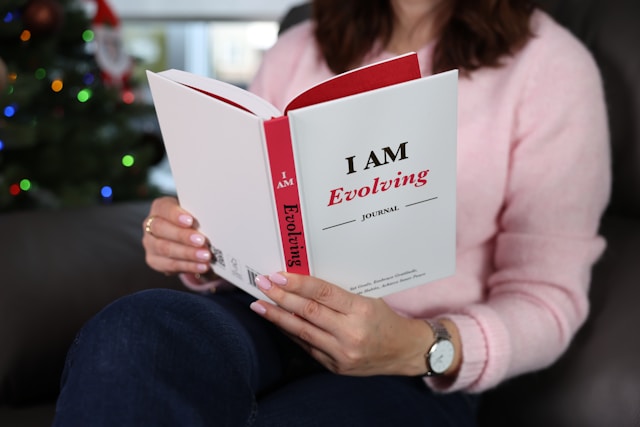
Soft skills are often dismissed because they do not look like effort. You cannot easily quantify them, display them on a certificate, or prove them in a single moment. Yet in daily life and in modern workplaces, they function like the hidden framework that holds everything together. They shape how effectively you apply your technical knowledge, how smoothly you work with others, and how consistently you make good decisions under pressure. When people invest time in developing soft skills, they are not polishing a superficial “nice-to-have.” They are strengthening the core abilities that determine whether their competence translates into lasting success.
One reason soft skills matter is that most goals are achieved through coordination. Even roles that appear independent still rely on communication with clients, teammates, or stakeholders. Projects rarely fail only because someone lacked technical ability. They fail because expectations were unclear, priorities were misaligned, or feedback was handled poorly. Soft skills reduce friction in these moments. They make collaboration easier, prevent misunderstandings, and lower the cost of mistakes. Over time, this creates an advantage that is hard to replicate with technical talent alone.
Communication is a clear example, but the deeper value lies in the quality of thinking it forces. When you learn to express ideas clearly, you usually learn to understand them more clearly as well. Clarity helps you identify what matters, explain tradeoffs, and solve problems without hiding behind vague language. In a team setting, clear communication speeds up execution. In a career, it builds a reputation for reliability because people know they can depend on you to make situations easier to navigate rather than more confusing.
Soft skills also create leverage because they influence how people respond to you. Technical skills often produce direct outcomes, but soft skills shape relationships, trust, and influence. Two people may have similar resumes, but one person consistently creates a sense of calm and progress in a room while the other creates tension and uncertainty. Over time, the first person is more likely to receive better opportunities, be included in important discussions, and be trusted with higher-stakes tasks. This is not about popularity. It is about the practical reality that work moves faster when people trust the person they are working with.
Emotional regulation is another skill that becomes more valuable the higher the stakes. It is not about suppressing feelings or pretending everything is fine. It is about maintaining decision quality when stress rises. Many conflicts escalate not because the issue is unsolvable, but because people react defensively or rush to protect their ego. Someone who can pause, respond thoughtfully, and keep the focus on solutions becomes far more effective in difficult situations. This ability also improves life outside of work, since relationships and personal challenges often require the same steadiness.
In an age where technology evolves quickly, soft skills provide stability. Tools change, platforms shift, and markets move, but the ability to listen well, negotiate fairly, set boundaries, and adapt with others remains relevant. As routine tasks become easier to automate, the value of human contribution shifts toward judgment, collaboration, and trust. These are built through soft skills. People who can manage complexity with clarity, work across differences, and handle feedback without collapsing are more resilient in a changing economy.
Soft skills also matter because they protect individuals from burnout and unnecessary stress. Poor boundaries, weak communication, and unresolved conflict often lead to overwork. When you cannot say no clearly, you overload yourself. When you avoid difficult conversations, problems drag on. When you fail to clarify expectations early, you end up repeating work later. In contrast, stronger soft skills create cleaner workflows and calmer routines. They allow you to manage energy, not just time, which becomes essential for long-term performance and well-being.
The challenge is that soft skills improve through practice, not intention. It is not enough to vaguely aim to “be better with people.” Real progress comes from focusing on specific behaviors in real scenarios. A person who struggles with misunderstandings can practice summarizing decisions in one sentence at the end of conversations. Someone who reacts too quickly can train a short pause before responding. A person who avoids conflict can practice addressing issues earlier, with respect and directness. These small habits may feel slow at first, but they prevent bigger problems later. They are investments in prevention, not just improvement.
Over time, the benefits of developing soft skills show up in ways that feel almost invisible until you notice how much easier life becomes. Work becomes more efficient because communication is cleaner. Relationships become healthier because conflict is handled with maturity. Opportunities expand because people trust you and want to work with you. In this sense, soft skills compound. They multiply the value of everything else you learn, making your technical abilities more effective and your effort more sustainable.
Ultimately, investing time in developing soft skills is a practical decision rooted in long-term advantage. It improves how you think, how you relate to others, and how you handle pressure. It reduces friction, strengthens trust, and protects your energy. While technical skills may open doors, soft skills determine what happens once you walk through them. They are not a bonus. They are the multiplier that shapes whether your potential becomes consistent results over the course of your life.
 WhatsApp
 Instagram
 Threads