Personal growth is one of those phrases people use when life feels a little too loud inside. It shows up in captions, in casual conversations, and in the quiet moments when you realise you cannot keep living on autopilot. At its core, personal growth means becoming more aware of who you are, more capable of handling what life brings, and more intentional about the choices you make. It is less about transforming overnight and more about changing in ways that last, even when nobody is watching.
Many people first meet the idea of personal growth through the lens of self-improvement. They hear about morning routines, productivity systems, or “leveling up,” and assume growth is simply about doing more and achieving more. Yet genuine personal growth runs deeper than performance. It is not only about upgrading your habits or polishing your image. It is about understanding why you think the way you do, why you react the way you react, and what you are truly trying to protect or prove. A person can become more productive and still be driven by fear, or achieve a major goal and still feel empty. Growth is not the same as progress on paper. It is the inner development that makes your life feel more stable and aligned.
Often, personal growth begins when friction appears. A relationship ends, a job starts to feel wrong, or a familiar pattern keeps repeating until it becomes impossible to ignore. These moments are uncomfortable, but they are powerful because they force reflection. Instead of blaming everything on timing, other people, or bad luck, you begin to notice your own role. That shift from reaction to awareness is the doorway into growth. Awareness does not solve the problem instantly, but it gives you the ability to see your patterns clearly enough to change them.
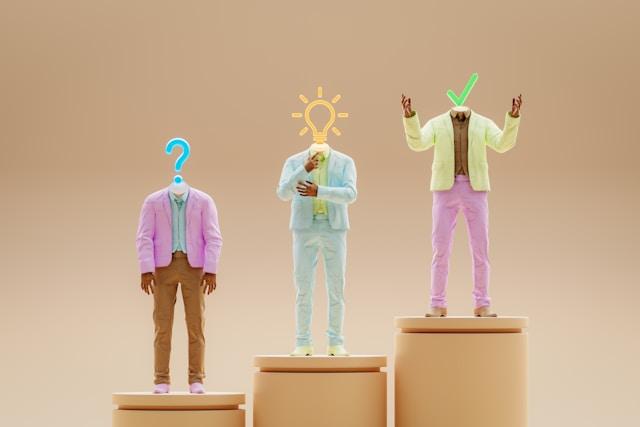
One way to understand personal growth is to think of it as three connected changes: awareness, agency, and alignment. Awareness is the ability to notice what is happening inside you. You begin to recognise your triggers, your avoidance habits, your emotional blind spots, and the stories you tell yourself when things go wrong. Agency is the next step, and it is where growth becomes real. It is the ability to respond differently, even when the old response feels easier. You may still feel anxious, but you stop reaching for behaviours that create bigger messes. You may still feel angry, but you learn to communicate instead of punish. You may still feel insecure, but you stop letting that insecurity drive your choices. Alignment is what happens when your actions start matching your values. Your time, energy, and relationships begin to reflect what truly matters to you, not just what you are used to doing or what others expect from you.
Personal growth is rarely linear, and that is part of why people struggle to trust it. The popular version of growth is a neat storyline: you learn a lesson, heal, and move on forever. Real life does not work like that. Growth is more like returning to the same themes at different stages. You might think you are done with a pattern, only to see it reappear in a new situation. That does not mean you failed. It often means you are encountering the same lesson at a deeper level, where it can actually change you.
The internet has given people more language for growth than ever before. Terms like boundaries, attachment styles, burnout, and emotional labour can help people understand themselves and feel less alone. At the same time, language can become a shortcut. It is easy to label someone else, diagnose your past, or collect insights like bookmarks and mistake that for change. But growth is not proven by vocabulary. It is proven by practice. It is the repeated effort to behave differently, think more clearly, and take responsibility for your choices.
A major part of personal growth involves letting go of coping strategies that once felt necessary. Some people cope by overworking, staying busy, or constantly chasing achievements. Others cope by avoiding conflict, people-pleasing, or retreating emotionally the moment things feel tense. These habits often develop for a reason. They may have helped you feel safe at one point in your life. Growth does not shame those strategies, but it does ask you to examine whether they still serve you now. Sometimes growth looks like adding new habits, but just as often it looks like unlearning old patterns.
Personal growth also shows up most clearly in relationships. You can read every book, journal every morning, and still struggle to be emotionally safe with others. Relationships reveal what happens when you feel misunderstood, rejected, or disappointed. They apply pressure, and pressure exposes patterns. Growth in relationships can look like learning to address conflict instead of disappearing, expressing needs without turning them into threats, and apologising without making excuses. It can also look like choosing healthier boundaries with family, or separating your worth from your job performance so criticism does not feel like an attack.
There is also a trap hidden inside modern “growth culture,” where growth becomes constant self-optimisation. In that mindset, you are always behind, always fixing, always trying to become a better version of yourself as if who you are now is not acceptable. That is not growth. That is self-rejection dressed up as ambition. Real personal growth does not require you to hate yourself in order to change. It begins with honesty, but it is sustained by compassion. It recognises that you grew from something, not just toward something, and it allows you to respect who you are while still choosing to evolve.
Ultimately, personal growth is the ongoing process of developing your mindset, emotional skills, and sense of self so you can live with more intention and self-respect. It is not about being perfect or performing healing for an audience. It is about becoming someone who can face discomfort without running, communicate with maturity, and choose a life that fits. In a world that often turns everything into content, personal growth is the quiet decision to stop performing your life and start living it.
 WhatsApp
 Instagram
 Threads