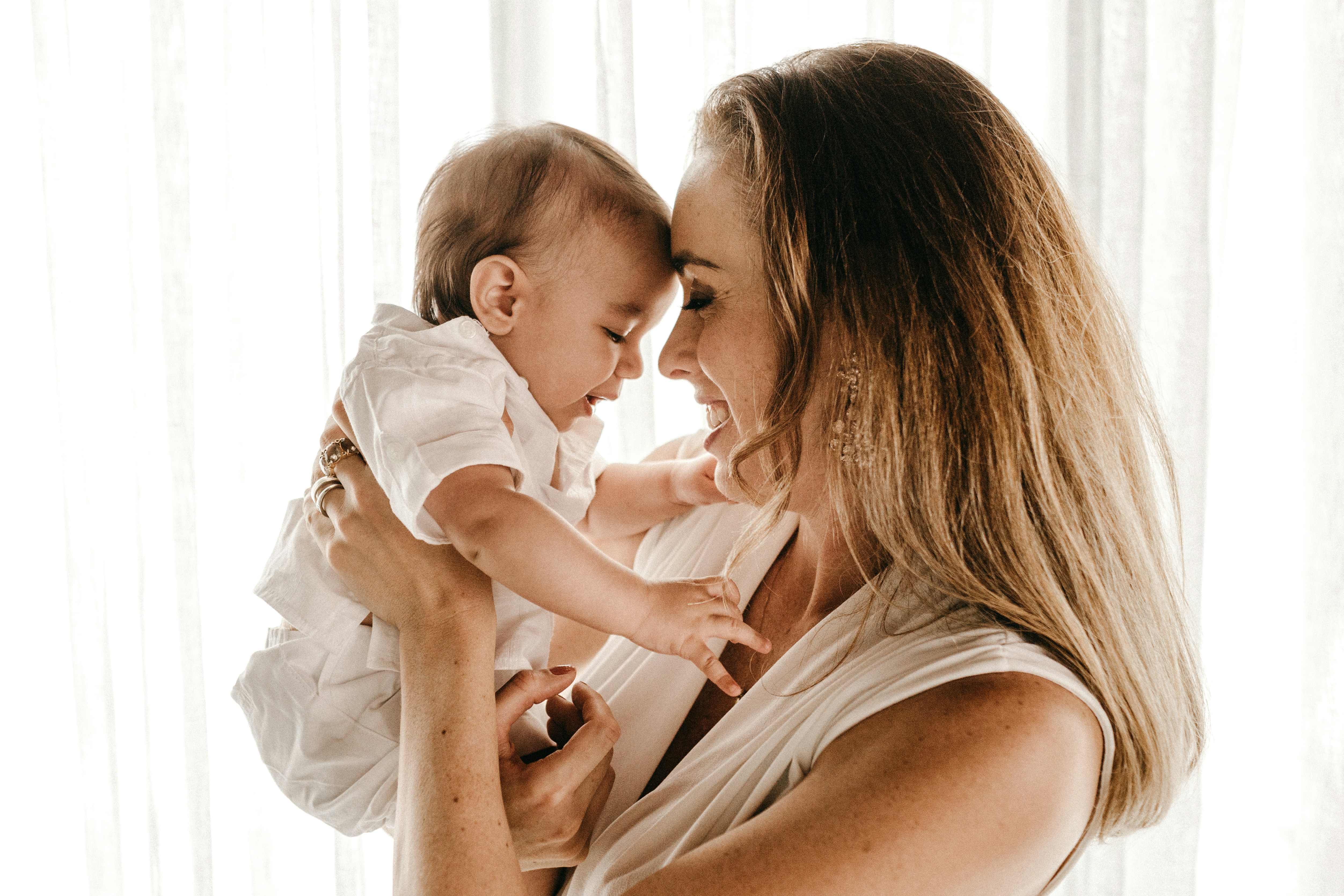
To understand what it means to be a gummy bear mom, you first have to picture a very specific kind of kitchen. The pantry is full, the snack drawer is never truly empty, and somewhere behind the frozen vegetables there is always a tub of ice cream waiting for a night when everyone is too tired to cook properly. Friends know this house as the place where there are always snacks. Children instinctively head toward the cupboards because they have learned that this is a home where treats are not forbidden treasure, but a normal part of everyday life.
The label itself grew out of social media, especially TikTok and Instagram, where parents began sharing videos of their overflowing snack cupboards and easygoing attitudes to food. In the comments, people started calling these women “gummy bear moms”. The nickname stuck because it captured something that felt both lighthearted and quietly rebellious. On the surface, it sounds like a mother who always has candy on hand. Underneath, it speaks to a different philosophy about how children should grow up around food, their bodies, and the emotions tied to both.
A gummy bear mom is often described in contrast to the “almond mom”. The almond mom is the parent who always seems to be on a diet, who talks about “good” and “bad” foods, who might skip meals herself and praise willpower above all else. Her children grow up hearing commentary about calories, “cheat days”, and “being good” with food. Snacks are tightly rationed or heavily policed. Dessert sometimes feels like a test rather than a simple pleasure. The gummy bear mom, on the other hand, chooses a softer approach. She still cares about nutrition and health, but she is not interested in turning mealtimes into a battlefield. She is likely to stock her home with a mix of foods: fruits and vegetables, yogurt and cheese, crackers and instant noodles, chocolate and gummy bears. She tries not to rank these foods on a moral scale. Instead of insisting that candy is bad and broccoli is good, she might talk about how different foods do different jobs in the body. Some give quick energy, some keep you full for longer, some are simply there because eating can also be fun.
Many gummy bear moms did not invent this approach from nowhere. They often carry memories of their own childhoods, where food came with a heavy dose of guilt. Perhaps they grew up with parents who complained about their weight in front of the mirror, who praised thinness and criticized any sign of softness, who kept “junk food” hidden or rare. Those experiences linger into adulthood. As these women become mothers themselves, they look back and realize how much anxiety they absorbed about eating and appearance. The gummy bear philosophy is their quiet decision not to pass that burden to their children.
This does not mean that the gummy bear mom lets her kids eat sweets from morning to night without any boundaries. In most cases, she still structures meals and snacks, but she removes the drama. Dessert might be offered regularly instead of being treated as a prize for perfect behavior. Snacks might be kept where children can reach them, but with some gentle guidelines about timing and portions. The aim is not to monitor every bite, but to teach children to listen to their hunger, notice when they feel full, and understand that no single food can ruin their health or define their worth.
One of the most powerful parts of this identity lies in what these mothers choose not to say. A gummy bear mom tries not to stand in front of her children and criticize her own body. She does not announce that she “needs to be good this week” because of what she ate last weekend. If she decides to change her habits for health reasons, she tries to keep the conversation away from shame and punishment. She might talk about wanting to feel stronger or have more energy, instead of talking about shrinking herself. Her children absorb this language and begin to see food as something connected to how they feel, rather than a constant test they can pass or fail.
The gummy bear mom also challenges a certain perfectionist image of modern parenting. Social media has elevated the parent who packs beautiful lunchboxes filled with organic produce and homemade snacks, all cut into charming shapes. While there is nothing wrong with that, the unspoken message can be harsh. It suggests that if your child eats store bought biscuits or has cereal for dinner after a long day, you have failed in some way. Gummy bear moms resist this pressure. They are honest about the fact that real life is messy. Sometimes there is a balanced homemade meal on the table. Sometimes there are fish fingers, instant noodles, and a frozen dessert, and everyone is simply relieved to eat something.
In this sense, being a gummy bear mom is less about aesthetics and more about emotional climate. It is about creating a home where food is not constantly tied to fear, anger, or judgment. Her children are allowed to enjoy cake at a birthday party without hearing a lecture about sugar. They can have popcorn at the movies without being told to “make up for it” later. They can be excited about treats without feeling they have done something wrong. Over time, this atmosphere of trust can help them develop a healthier relationship with eating, where they understand that treats are part of life but not the center of it.
There is still nuance to this label. Not every parent who keeps candy in the house is automatically fostering a positive environment. Without some structure, constant access to sweets can cause problems of its own. That is why many dietitians point out that the gummy bear mom is most effective when she combines freedom with gentle boundaries. She does not use sweets as a reward for good behavior, because that only increases their emotional power. She does not ban them completely either, because that often leads to secretive eating and obsession. Instead, she allows treats to appear regularly and calmly, so they eventually become just one part of the wider food landscape.
It is also important to notice that the online image of the gummy bear mom is often shaped by privilege. Those dreamy pantry clips usually require time, money, and storage space. Not every parent can afford bulk purchases or has the capacity to keep a perfectly organized snack cupboard. For many families, the spirit of the gummy bear mom is not about rainbow containers and weekly stock ups. It is about doing the best you can with what you have, refusing to let shame dominate your kitchen, and leaving room for joy even when the snacks come from the cheapest shelf in the store.
Despite its playful name, the gummy bear mom identity touches some serious themes. It questions how much power diet culture should hold over the next generation. It asks whether children really need to grow up hearing their parents talk about “earning” their food or “working off” their dessert. It invites mothers to consider that their worth is not measured in how perfectly they manage their child’s sugar intake, but in the emotional safety they create around eating and bodies. To be a gummy bear mom is therefore less about always having sweets on hand and more about how you hold space for your child’s experience of food. It means allowing pleasure a seat at the table, alongside nutrition and routine. It means choosing curiosity over control, conversation over criticism. It means trusting that your child can learn to make balanced choices over time if they grow up in an environment where food is neither idolized nor demonized.
In a world that still rewards strict control and constant self monitoring, the gummy bear mom can look almost irresponsible at first glance. But when you look closely, you see that her approach is not about giving up on health. It is about softening the harsh edges of shame and fear that have wrapped themselves around food for too many people. It is about protecting her children from the endless anxiety she may have carried herself. In that sense, the gummy bear mom is not just a funny internet trend. She is a small but meaningful sign that some parents are ready to build a different story about bodies, appetite, and the right to enjoy something sweet without apology.
 WhatsApp
 Instagram
 Threads