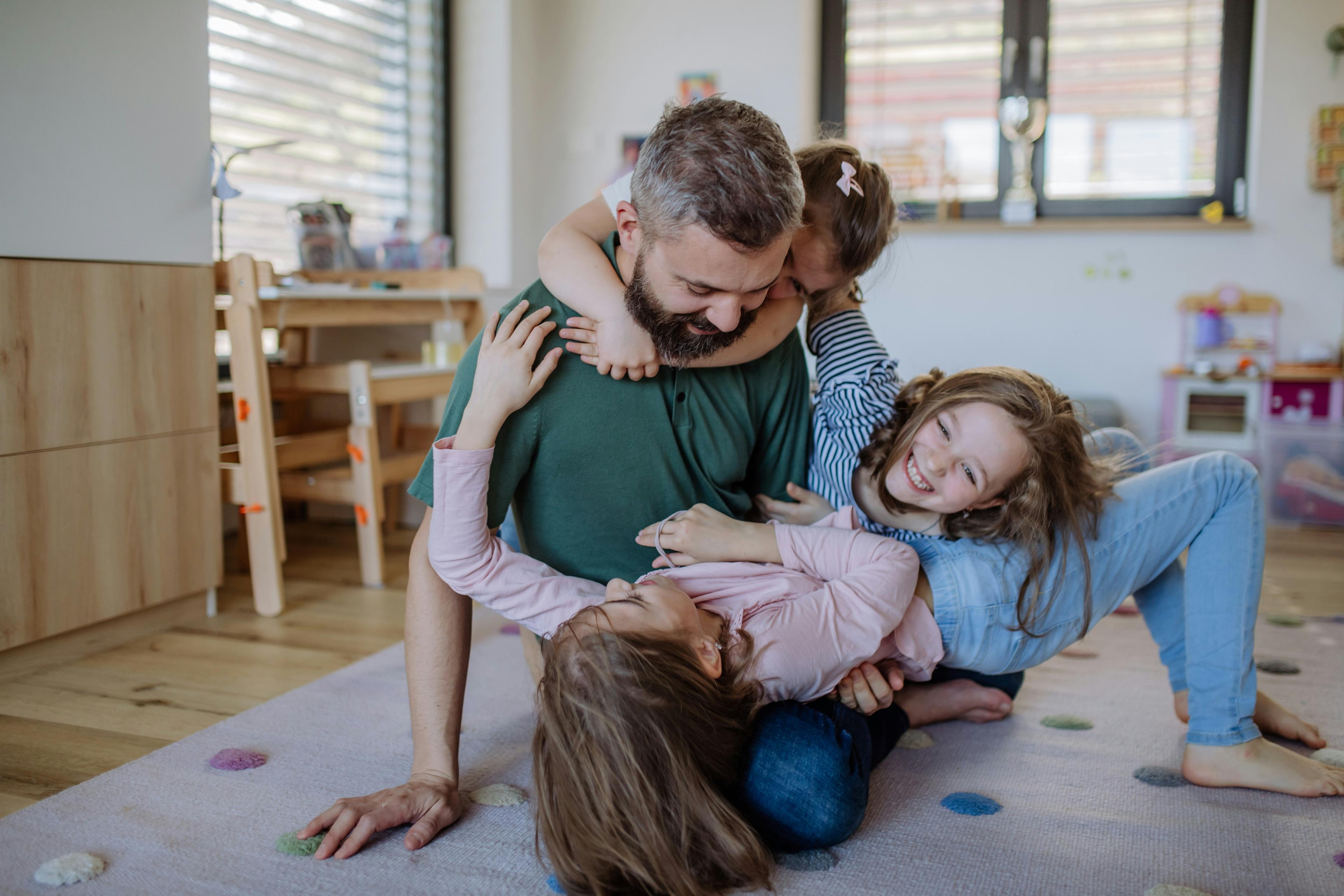
When people hear the phrase intensive parenting, many picture pushy schedules, hovering adults, and a home that sounds like a checklist factory. That version is easy to criticize because it confuses pressure with care. The more useful version looks different. It is calmer, simpler, and more deliberate. It replaces drama with design. At its best, intensive parenting is not a quest to do more. It is a disciplined way to do a few important things well and do them consistently. Children stand to benefit in the areas that matter most for a long life. They gain safety, attention, learning stamina, and a growing sense of agency. They also develop habits that help them stay steady when school, friendships, and expectations become more complex.
A strong environment is the first gift this approach offers. Children grow inside boundaries, not punishments. The day becomes predictable. Sleep happens in a fixed window, mornings begin at a steady time, meals show up with a rhythm, and light and movement are built into the routine. Devices leave the bedroom at night and adults model the same rule. There are not dozens of constantly changing commands. There are a few clear rules that the family actually enforces. Brains learn best when the edges are clear, and children feel safer when they can predict what the next hour will look like. The quieter nervous system that follows allows children to learn and relate without spending energy on uncertainty.
From that foundation, practice becomes possible. The popular idea of practice focuses on volume, but children improve through focused, short, and regular reps. Ten minutes of true attention beats an hour of distracted effort. Parents who set up a simple architecture make this occur. The timer goes on, the task is single, interruptions drop to zero, and the session ends cleanly. The goal is the habit, not the badge. Repeat this approach across reading, instrument drills, sport skills, and simple chores. Small wins begin to stack. Confidence grows because the child sees proof that effort moves the needle. Over time, these steady gains produce a student who knows how to start, how to persist, and how to stop without fighting the clock.
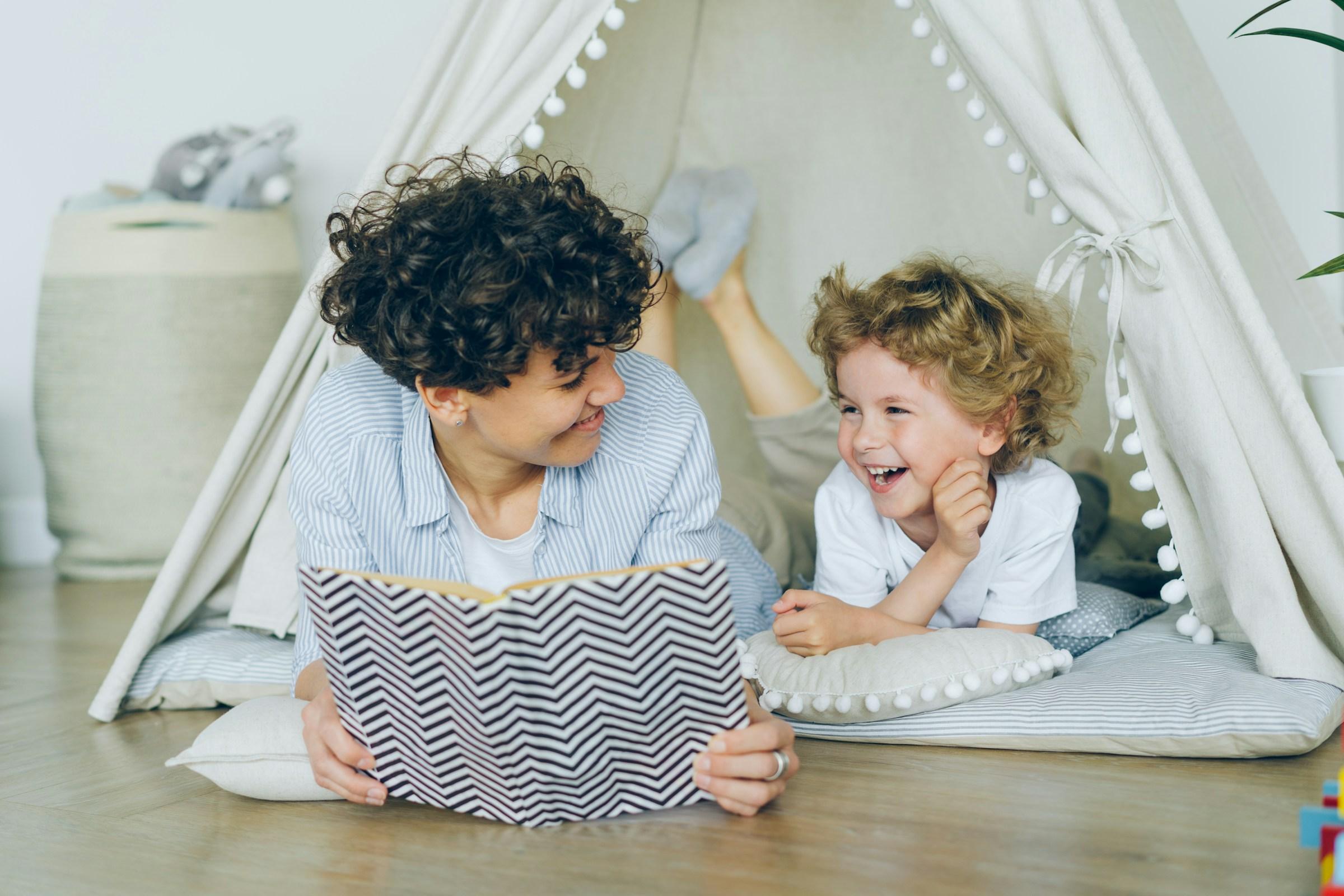
Language is another field where intensive parenting pays off. Homes that are dense with words expand a child’s capacity to think in longer lines. Reading aloud at night raises comprehension, and it also gives families a place to pause and talk about feelings, motives, and cause and effect. Discussing rules rather than just announcing them helps children connect behavior with outcomes. Rich input becomes rich output. Stronger language helps at school, but it also changes self-talk. Children who have practiced naming thoughts and feelings are less likely to spiral during tests or social conflict. They can narrate what is happening inside their minds and pick a next move.
Attention, the currency of learning, improves when adults protect it on purpose. Many homes keep screens on as background noise. Intensive parents flip the default. Ambient television disappears. Devices charge in a common space. Deep play blocks show up on the calendar. Boredom is not treated as an emergency. It is treated as a skill. When children sit with boredom, they learn to generate options instead of tapping for instant dopamine. The result is longer focus windows and higher frustration tolerance. Those two capacities form the core of learning and are harder to teach later in life.
Character is not a lecture. It is a set of moves that get practiced. Showing up on time, saying please and thank you, taking responsibility for spills, and doing simple tasks when your mood is flat are not random virtues. They are functional skills for adult life. Intensive parenting turns these into frequent reps. Families pick concrete jobs and follow through. Shoes return to the rack. Bowls get rinsed. Backpacks are packed the night before. The child starts to feel that their actions change the world around them. Agency pushes back against helplessness and reduces the kind of tantrums that come from feeling out of control.
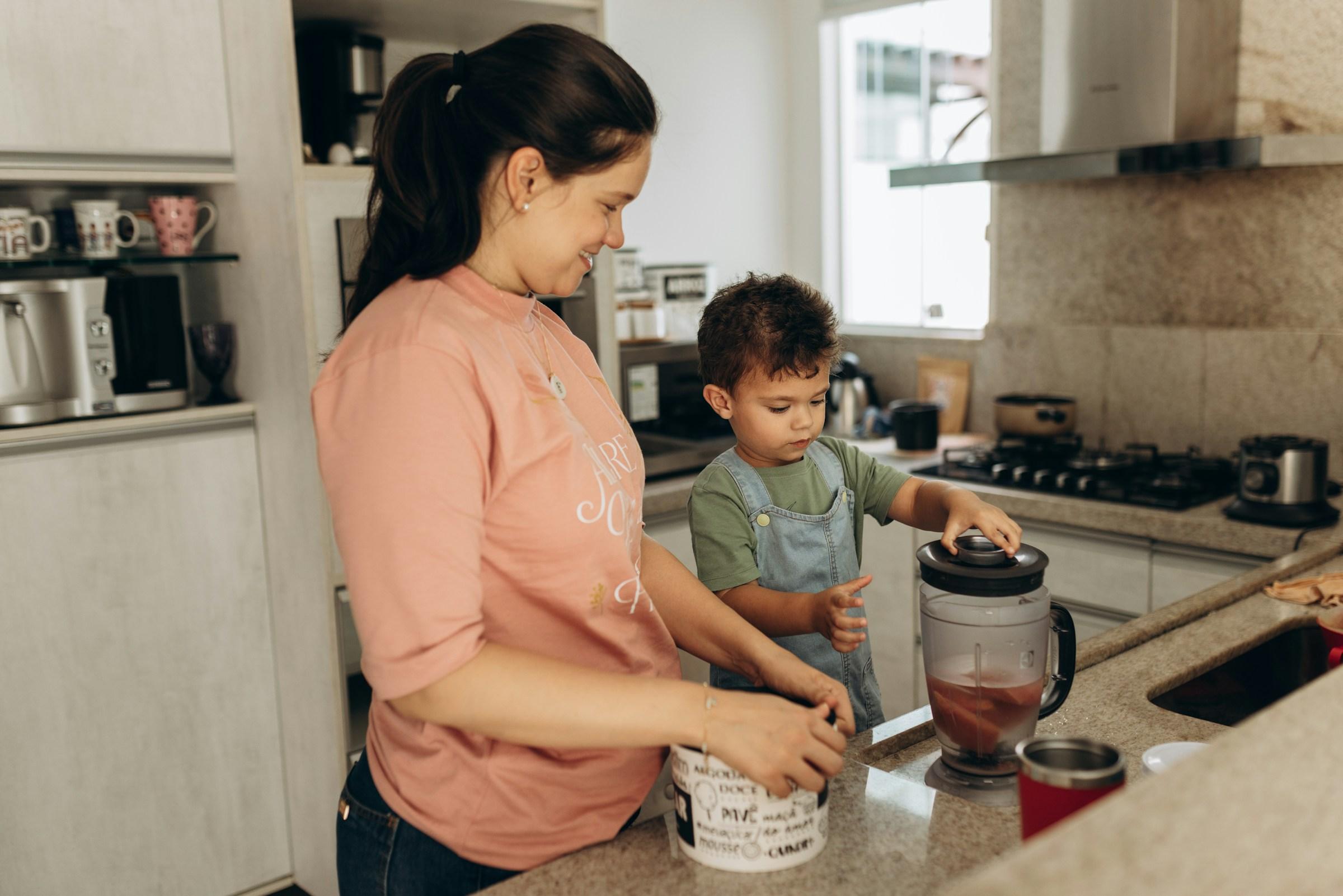
Health is part of performance and deserves the same structure. Many families allow sleep to drift by an hour or two each night and wonder why moods feel unpredictable. Fixed bedtimes and wake times stabilize the system. A dark, quiet, and cool bedroom, blackout curtains, and a gentle winddown that includes stretching and paper books create conditions where sleep arrives quickly and stays deep. Teens do better when caffeine fades from their afternoons. When sleep improves, so does appetite, memory consolidation after study, and the general tone of the day. Food routines work the same way. Regular anchors reduce grazing, protein at breakfast supports focus in the first school block, and family meals offer both nutrition and conversation. The child who helps prep a simple dish is more likely to try new foods and learns that meals are a shared project, not just a delivery service.
Risk management is an overlooked benefit of an engaged approach. Parents who know the routes, the friends, the screens, and the schedules do not hover. They understand context. That context lets them nudge before problems harden. Boundaries for online time make sense when everyone knows the plan. Road sense and consent can be taught before the first party, not after a mistake. Many forms of harm are preventable when adults keep a light but steady hand on the map of a child’s world.
Academic gains show up not because of extra worksheets but because the inputs are clean. Sleep, nutrition, focused practice, quiet space, and a predictable week set the stage for solid work. Add a tiny loop that happens every school day. Two questions are enough. What went well. What needs help tomorrow. The point is not to deliver a speech but to gather data. Over time, children begin to run this loop themselves. By the time secondary school arrives, they are small project managers of their own learning. The tone here remains calm and factual, which keeps shame out of the room and keeps improvement in view.
Social skills benefit from structure as well. Play does teach, but it sometimes needs a scaffold. Adults can model turn taking and tone during games and can host small play sessions where the rules are clear before emotions run hot. Practice for greetings, farewells, and small talk helps children who find first moments awkward. Role play for hard conversations turns fear into steps. Intensive does not mean intense emotion. It means more opportunities to try the moves while the stakes are low. Children carry that experience into classrooms, teams, and first jobs.
Emotional regulation is a stack of learnable skills. Children can practice identifying body sensations, naming the feeling, and selecting a tool. A breath count, a wall push, a short walk, a glass of water, or a reset in a quiet corner are all valid. The trick is to teach tools during calm minutes, not only in the middle of a meltdown. A printed list on the fridge makes the system visible, and parents should use the same tools themselves. When a child watches a parent take three breaths after a hard call, the lesson is absorbed without a lecture. This is where the intensive approach becomes gentle in effect. It brings safety back to the body before the mind tries to reason.
Executive function grows inside routines rather than in a burst of willpower. A morning checklist reduces friction. An after school flow that repeats allows the brain to relax because transitions are not a puzzle. Bags packed the night before, permission slips in one tray, keys always in the same bowl, and a short weekly review on Sunday night give children a planning scaffold they can copy for years. The payoffs are fewer lost assignments, fewer missed deadlines, and lower cortisol during exam weeks.
Community is another quiet benefit. Engaged parents usually know other families. They share notes about teachers, tutors, coaches, and weekend plans that are active and social. They build safe carpools. They notice early signs of isolation or bullying and respond before problems get sticky. Resilience is often collective. The network reduces randomness and gives children more adults to turn to when they need help.
All of this can tilt into control if adults forget that autonomy needs a lane. The antidote is to keep choice inside the system. Children can pick between two chores, two books, or whether piano happens before or after dinner. They can help shape the week within clear boundaries. Families can allow respectful negotiation during a regular check-in and teach tradeoffs. If a child wants to add soccer, something else may need to move. This keeps motivation alive and teaches decision quality.
The focus should stay on process, not identity. Praise sleep consistency, honest reporting, and effort. Keep outcome talk short. Make process feedback specific. You focused for twenty minutes without your phone. You asked for help when the math got sticky. You kept your voice calm when your sibling was loud. This is the kind of information that helps children repeat what worked. Data can support momentum, but it should not turn childhood into a dashboard. If a metric creates anxiety, drop it. The system exists to serve the child, not the other way around.
The benefits of intensive parenting reveal themselves when life speeds up. Children who grow in this structure do not fall apart when load increases. They know how to protect sleep, how to start without waiting for a perfect mood, how to switch tasks cleanly, and how to ask for help early. They can hold a boundary with friends. When a day goes badly, the routine catches them, and recovery comes faster. Families who want a simple starting plan can do a few things this week. Fix sleep first. Protect a daily reading block. Ask the two questions after school. Review the calendar together on Sunday night. Model your own reset tools. The rest can wait. Systems beat sprints, and consistency outperforms intensity.
Say the principle out loud so everyone knows what game they are playing. We protect energy. We practice on purpose. We tell the truth about today. We try again tomorrow. With that anchor in place, the routine makes sense and the home feels lighter. Intensive parenting, in this humane and repeatable form, becomes a training ground for attention, recovery, and responsibility. Children learn in their early years what many adults try to build in their thirties. That advantage is real, and it arrives without fear or frenzy. It arrives because a family chose to design the day with care and to keep showing up for the work that actually matters.
 WhatsApp
 Instagram
 Threads





.jpg&w=3840&q=75)