Starting a healthy lifestyle often sounds like a dramatic turning point, as if you wake up one morning with a new identity, a spotless routine, and unlimited motivation. In reality, the people who succeed rarely change everything at once. They build a small system they can repeat even when life is busy, messy, and tiring. The best way to start is not by chasing a perfect plan, but by creating simple defaults around sleep, food, movement, and recovery that fit your real schedule.
The first challenge is that “healthy” can feel vague. If the goal is unclear, it is easy to drift between extreme efforts and long breaks, never sure whether you are making progress. A more practical definition of a healthy lifestyle is one that gives you steady energy, a calmer mood, and a body that feels capable in daily life, while your health markers gradually improve over time. This does not require becoming a different person overnight. It requires becoming consistent enough that your body starts to trust the routine you are giving it.
A useful way to begin is to identify the biggest leak in your current habits. Most people have one factor that quietly sabotages everything else, and it is often sleep. When sleep is irregular or too short, the rest of your lifestyle becomes harder than it needs to be. Cravings get louder, stress tolerance shrinks, workouts feel heavier, and you rely more on quick fixes like sugar and caffeine. This is why improving sleep, even a little, can make healthy eating and exercise feel more realistic instead of forcing you to fight yourself all day.
Starting with sleep does not mean building an elaborate nighttime ritual. It means choosing an anchor that creates predictability. A consistent wake time is one of the simplest anchors because it influences the rest of your day. If you wake up at wildly different times, your body never settles into a rhythm. If you keep your wake time within a reasonable range most days, bedtime becomes easier to shift naturally. For someone whose schedule is currently chaotic, small adjustments are more sustainable than big jumps. Moving your wake time by 15 minutes every few days can be enough to reset gradually without triggering a crash. From there, you can add a single rule that reduces damage, such as avoiding screens in bed, dimming lights before sleep, or cutting caffeine earlier in the day. The goal is not to do everything. The goal is to do something consistently.
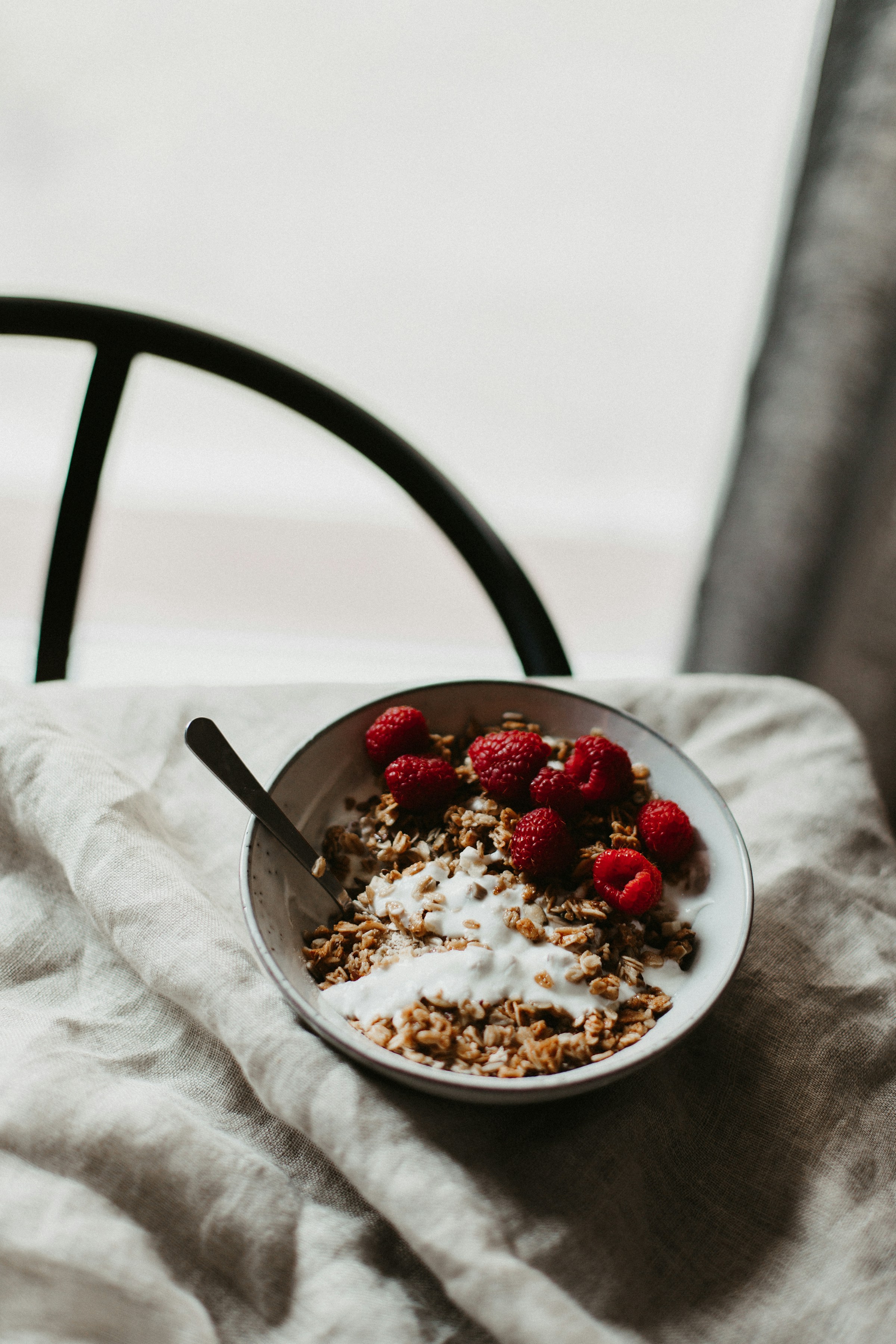
Once sleep is improving, the next layer is food, and the most helpful mindset is to stop treating nutrition like punishment. Starting a healthy lifestyle does not require banning your favorite foods or micromanaging every bite. It requires stabilizing your meals so your energy and appetite stop swinging from one extreme to another. For beginners, the most reliable baseline is a simple meal structure that includes protein and plants regularly. Protein helps you feel full and reduces the urge to keep snacking for quick energy. Vegetables and fruit provide fiber and micronutrients that support digestion, mood, and overall health. When your meals contain these elements, you can still enjoy treats without your diet turning into a daily tug of war.
Many people struggle because they rely on constant decision making, especially when tired. A better approach is to reduce choices by creating a few default meals you can rotate. When you already know what breakfast looks like on a busy day, you are less likely to skip it and end up overeating later. When you have one or two reliable lunch options, you stop turning midday hunger into a last minute scramble. This is not about being boring. It is about making the healthy option the easiest option when your willpower is low. Hydration works the same way. If you only drink water when you remember, you will forget. Keeping water within reach makes it more automatic.
Movement is the next pillar, and it is where many people derail themselves by starting too hard. They choose the most intense workout plan because it feels serious, then they quit because it is painful, time consuming, or impossible to recover from. If you are asking how to start a healthy lifestyle, the smarter target is frequency, not intensity. The first job is to become someone who moves regularly, even if the movement is modest. Daily walking is one of the simplest habits that delivers outsized benefits. It improves circulation, supports recovery, helps regulate blood sugar, and builds a rhythm of activity without exhausting you. A short walk done consistently is more valuable than a perfect workout done twice and abandoned.
Strength training matters too, especially for long term health, because muscle supports metabolism, joint stability, and functional independence as you age. However, you do not need an advanced program to begin. You need to show up two or three times per week and practice the basics, gradually increasing effort over time. If you have never trained before, starting lighter than you think is often the best move. Your first month should teach your body the habit and allow you to recover well enough that you want to return. When training becomes associated with feeling strong and capable rather than wrecked and sore, consistency becomes much easier.
A healthy lifestyle is not only what you do, but also how well you recover. Recovery is not a luxury or a special weekend activity. It is the process that allows your body to adapt to exercise, manage stress, and maintain energy. The simplest recovery strategies are usually the most effective: adequate sleep, low intensity movement, and routines that reduce stress buildup. You can support this by adopting one small daily recovery rule that fits your life, such as stepping outside for morning light, taking a short walk after a meal, or setting aside a few minutes to wind down before bed. When recovery becomes a default, your efforts in food and exercise start to feel more rewarding instead of draining.
As you build these habits, it helps to treat your environment like part of the plan. People often blame themselves for lacking discipline, but many “discipline problems” are actually design problems. If your kitchen is full of snack foods and has no easy protein options, your environment is steering your choices. If your phone is your alarm and you scroll in bed every night, your environment is shaping your sleep. If your calendar is packed with no breathing room, your schedule is deciding whether you can exercise. Starting a healthy lifestyle becomes far easier when you reduce friction for the habits you want and increase friction for the habits that undermine you. Placing workout clothes somewhere visible, keeping simple healthy foods within easy reach, and charging your phone away from your bed are small changes that can produce surprisingly big results over time.
Another reason people struggle is that they chase daily perfection instead of weekly consistency. Health is built through trends and averages, not through flawless days. One late night or one heavy meal is not the issue. The issue is what happens next. If a single slip turns into guilt, overcorrection, and quitting, the system is fragile. A stronger approach is to build a “minimum version” of your lifestyle that you can maintain even on stressful weeks. On a good week you might train three times, cook more meals, and sleep earlier. On a bad week you might train twice, walk daily in short sessions, and keep meals structured even if they are simple. This prevents the all or nothing cycle that kills progress.
When it comes to tracking, many beginners focus on the noisiest measurement, which is usually the scale. Weight can matter, but daily changes reflect hydration, sodium, stress, and sleep as much as fat loss or gain. A more useful way to measure early progress is to track whether you followed your basic system. Did you maintain your wake time most days? Did you move daily? Did you get protein regularly? Did you complete your strength sessions this week? These are the behaviors that create results. As they become stable, the outcomes follow. It can also help to notice practical improvements, such as more steady afternoon energy, fewer cravings, better mood stability, and feeling less winded during everyday tasks. These signs often appear before visible changes.
It is also important to set a realistic time frame. Many people start a healthy lifestyle like it is a seven day challenge, then feel discouraged when they do not transform quickly. A healthier mindset is to treat it like a 90 day build. The first phase is about stabilizing sleep and daily movement. The second phase is about strengthening your meal structure and training consistency. The third phase is about refining details and gradually increasing challenge. When you give yourself time to build layers, you reduce pressure and increase the chance that your habits become permanent.
Most failures are predictable, which means they are preventable. People fail because the plan is too complex, because they rely on motivation, or because they do not plan for disruption. Life will interrupt you with late meetings, family obligations, travel, and low energy days. You will miss workouts and eat imperfectly at times. What matters is your reset. Instead of compensating with punishment or extreme restrictions, you return to your next planned action. You go to the next workout. You eat the next structured meal. You keep your routine moving forward. This is what makes the lifestyle durable.
In the end, the answer to how to start a healthy lifestyle is simpler than most people expect. You begin by building a small operating system that can run on your worst weeks, not your best ones. You aim for a consistent wake time, more predictable sleep, structured meals with enough protein and plants, daily movement through walking, and strength training a few times each week. You support these habits with recovery and an environment designed for easy follow through. You measure consistency instead of perfection, and you commit to gradual progress over months, not days. When your habits are built this way, health stops feeling like a temporary project. It becomes a set of defaults that quietly improves your energy, mood, and capability over time. That is the real win, because the healthiest lifestyle is not the one that looks impressive for a week. It is the one you can live with for years.
 WhatsApp
 Instagram
 Threads





.jpg&w=3840&q=75)