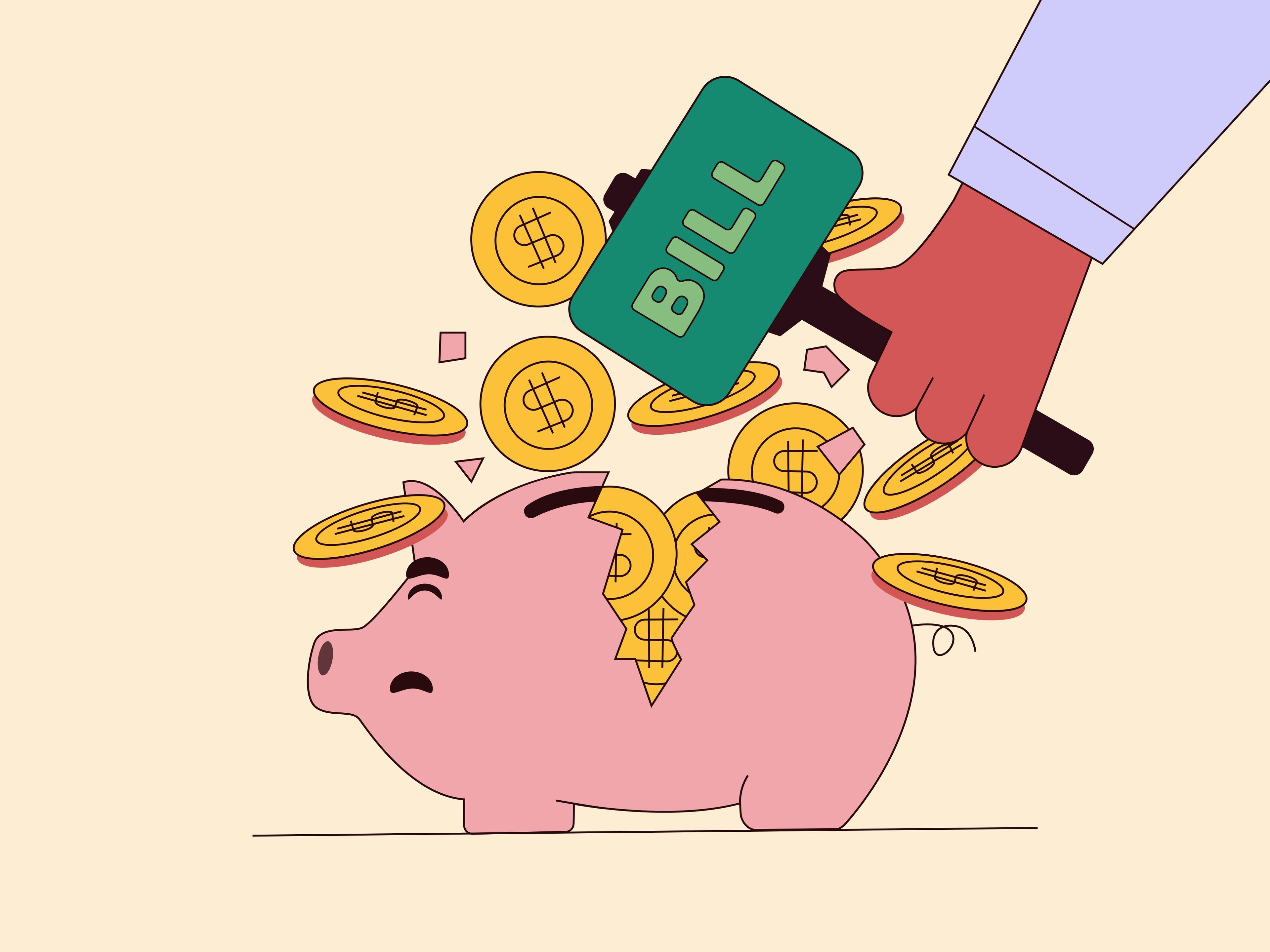
Investing in real estate in Singapore tends to look simple from the outside. Prices rise over the long run, the city is stable, and demand for well located homes rarely disappears for long. Yet anyone who has seriously explored the market learns quickly that property investing here is not only about choosing the right unit. It is about understanding the rules that shape demand, the taxes that reshape returns, and the financing limits that decide what is even possible. In Singapore, regulation is not a footnote. It is part of the strategy, and it often determines whether a purchase becomes a wealth building decision or an expensive lesson in friction.
A practical way to think about real estate investing in Singapore is to begin with the system rather than the listings. Before looking at floor plans or showflat brochures, an investor needs clarity on three things: the policy environment that influences demand, the financing constraints that govern leverage, and the holding rules that affect how quickly you can exit. Only after those are understood does it make sense to evaluate the property itself. This order matters because a unit that looks perfect on paper can become unattractive once you factor in stamp duties, loan limits, rental restrictions, and the true cost of holding.
The first major consideration is stamp duty, because stamp duty is an upfront cost that you cannot negotiate away. For residential purchases, Buyer’s Stamp Duty applies as a baseline. On top of that, Additional Buyer’s Stamp Duty can apply depending on your profile and whether you already own property. This is one of the strongest policy levers used to cool demand and discourage rapid accumulation of multiple residential units. For Singapore citizens buying their first home, ABSD does not apply, which is why many households treat their first property as both a housing decision and a long-term wealth anchor. For a citizen buying a second residential property, ABSD becomes a meaningful additional cost that immediately raises the hurdle rate for investment returns. For permanent residents, the additional duty can apply even on a first purchase, and for foreigners it is significantly higher, which changes the investment equation entirely. The impact is straightforward: the more policy wants to discourage a certain type of buying behaviour, the more expensive it becomes at the point of purchase.
Because stamp duties are paid upfront, they affect your break even point. Many first-time investors calculate rental yield by dividing annual rent by purchase price, but this simplified number can hide the real burden of taxes. A more realistic view is that the duty is part of your cost base. If you pay substantial upfront duties, you need either higher rental income over time or stronger capital appreciation to recover that cost. This is why short holding periods are risky, especially for buyers who incur ABSD. Even if property prices rise modestly, a large tax friction can consume the gains.
Holding period rules further reinforce this point. Seller’s Stamp Duty is designed to reduce speculative flipping by penalising early resale. When SSD rules are tightened, the market is being nudged toward longer holding behaviour. That matters to investors because liquidity becomes less flexible. Real estate is already illiquid compared to stocks or funds, and SSD adds another layer of friction that can turn a quick sale into a costly decision. As a result, anyone investing in a second property should plan as if they will hold through multiple years of market conditions, including periods where rental demand softens or interest rates remain higher than expected.
After tax rules, the second major pillar is financing. In many countries, buyers begin by falling in love with a property and then ask the bank what they can borrow. In Singapore, it is safer and more rational to reverse that process. The Monetary Authority of Singapore sets rules to keep household borrowing sustainable, and these rules directly shape how much leverage an investor can use. The Total Debt Servicing Ratio framework limits total monthly debt obligations relative to income. In simple terms, it means your mortgage eligibility is not only about the property. It is about your full debt profile, including car loans, personal loans, and other obligations. This policy approach reduces the risk of overstretched households, but it also means property investors must keep their personal balance sheet clean if they want flexibility.
For public housing and certain hybrid categories such as executive condominiums, the Mortgage Servicing Ratio adds another constraint. The MSR caps how much of your gross monthly income can go toward mortgage payments for those properties. This affects not just affordability, but also the kind of investment strategies you can deploy. A plan that relies on maximum leverage can quickly run into these caps. Beyond debt ratios, there are also rules on loan tenure and loan to value that influence repayment burdens and required down payments. The longer the tenure, the lower the monthly payment, but tenure limits restrict how far buyers can stretch. The overall message is consistent: Singapore’s property financing environment rewards buyers with strong, steady income and discourages aggressive leverage that depends on perfect conditions.
Once taxes and financing are understood, the next decision is the pathway you want to use to invest in property. Many people assume that investing in real estate means buying a private condominium to rent out. That is one pathway, but it is not the only one, and it is not always the best starting point. In Singapore, property investing can take several forms. One approach is to treat your first home as your foundational asset, especially if you are a citizen and buying for owner occupation. Another approach is to buy a dedicated rental property, typically in the private market, accepting that the upfront duties and financing constraints require a longer holding horizon. A third approach is to invest in listed property vehicles such as real estate investment trusts, which provide exposure to property assets without the direct burdens of stamp duties, mortgage qualification, and hands-on management.
Each pathway carries a different set of tradeoffs. Buying a physical property offers control and the potential to use leverage, but it concentrates your wealth in a single, illiquid asset. It also comes with ongoing costs that many new investors underestimate, such as maintenance fees, repairs, renovation refresh cycles, vacancy periods, and agent commissions. REITs, on the other hand, can offer diversification across sectors like retail, industrial, office, hospitality, and data centres. They can also be bought or sold more easily than a physical unit. The tradeoff is that you accept market volatility and you do not control the underlying asset. Still, for investors who want property exposure without committing to large upfront duties and long holding constraints, listed options can be a practical starting point.
Citizenship and residency status also reshape the investment landscape. For non-citizens, the first question is not yield or location. It is what you are legally allowed to buy. Singapore’s restrictions on landed property purchases by foreigners mean that certain categories require approval and may not be straightforward. Even when a purchase is legally possible, the stamp duty framework can make a conventional investment case difficult, especially for foreigners who face very high ABSD. In such cases, the reason for buying often shifts away from rental yield and toward lifestyle use or long-term wealth preservation. It is not that investing is impossible, but the economics and objectives tend to differ from those of a typical citizen investor.
For buyers considering public housing as an investment angle, rental rules deserve special attention. Public housing in Singapore is designed primarily for owner occupation, and policy has increasingly reinforced that intent. Renting out a whole flat is not a default assumption. It is generally subject to conditions, including the requirement to meet the Minimum Occupation Period. In addition, changes in the classification and rules for flats in prime and more central locations can involve tighter rental restrictions and longer occupation requirements. This matters because some investors build spreadsheets around future rental income from an HDB flat without fully appreciating that the ability to rent out the entire unit may not apply in the way they expect. The result can be a strategy that looks profitable in theory but is constrained by policy in practice.
CPF usage is another uniquely Singaporean factor that can make property investing feel easier at the beginning and more complex later. Many households use CPF savings to fund part of a home purchase, which can reduce immediate cash burden. However, CPF is not free money. When you use CPF for housing, you should understand the opportunity cost in retirement compounding and the rules around refund. When a property is sold, CPF used for the purchase, plus accrued interest, must generally be refunded to your CPF account. This refund mechanism affects the net cash proceeds you walk away with after a sale. It can also influence your planning if you are counting on sale proceeds for your next purchase or for other investments. A clear CPF plan is essential so you do not accidentally undermine long-term retirement security while chasing property gains.
All of these structural features lead to a central truth about investing in Singapore property: true returns are shaped more by net cashflow and friction than by headline prices. An investor should calculate returns after considering stamp duties, mortgage interest, property tax, maintenance fees, insurance, vacancy assumptions, and transaction costs when entering and exiting. A unit that produces a decent gross rental yield can still deliver weak net returns if maintenance is high or vacancy is frequent. Similarly, a unit that looks affordable might become stressful if the mortgage leaves little buffer during periods of higher rates or temporary income disruption. The market has long rewarded patient holders, but patience alone is not a plan. The plan has to be resilient under less-than-perfect conditions.
Due diligence should reflect this investor mindset. Location matters, but it should be evaluated through demand stability rather than hype. Proximity to MRT stations, employment nodes, and amenities can support tenant demand, but investors should still remain conservative because supply can change and tenant preferences can evolve. The property itself should be examined not just for aesthetics, but for long-term maintenance realities. In the private condo market, monthly maintenance fees and the overall health of the management corporation can make a meaningful difference to net yield. Older developments may face more frequent repairs or upgrading needs. Newer developments may come with higher prices that compress yields. Both require careful cashflow assumptions.
Lease considerations also matter, particularly in a market where some properties have shorter remaining leases. Shorter lease profiles can affect financing, future buyer demand, and how long the property can realistically serve your objectives. If your investment horizon is long, the remaining lease becomes more important. If you plan to hold for decades, you want to understand whether the lease profile supports that plan and whether future resale demand could be affected.
Another area that deserves realism is the exit strategy. Many investors focus heavily on the purchase decision and not enough on the conditions under which they might sell. Yet exit is where illiquidity and policy friction can become most painful. If your circumstances change and you need to sell during an unfavourable market, transaction costs and holding period penalties can magnify losses. This is why it is wise to invest only when you can commit to a longer horizon. If you suspect you might need liquidity within a short timeframe, direct property ownership may not be the best tool, and a more liquid form of property exposure could be safer.
For those who want to move forward without overcommitting, a staged approach can be sensible. Some investors begin with listed property exposure to learn how different property sectors behave and to build comfort with the idea of property as an asset class. Others treat their first home primarily as a long-term stability decision and focus on building a diversified portfolio alongside it. For buyers determined to own a second property for rental, the most sustainable strategy is often the least exciting one: buy only when you can handle the duties without stretching, assume rental income fluctuates, keep leverage within conservative bounds, and prepare to hold through multiple market cycles.
Ultimately, investing in real estate in Singapore is not only about optimism. It is about alignment with how the system is built. Policies are designed to prioritise owner occupation, limit excessive leverage, and discourage short-term speculation. When your strategy works with those realities, property can still be a powerful wealth building tool. When your strategy fights the constraints, the friction appears quickly in the form of taxes, restricted actions, loan limitations, and reduced flexibility. The investor who succeeds in Singapore is usually the one who respects these boundaries, plans for resilience, and evaluates properties through net outcomes rather than headline narratives.
 WhatsApp
 Instagram
 Threads