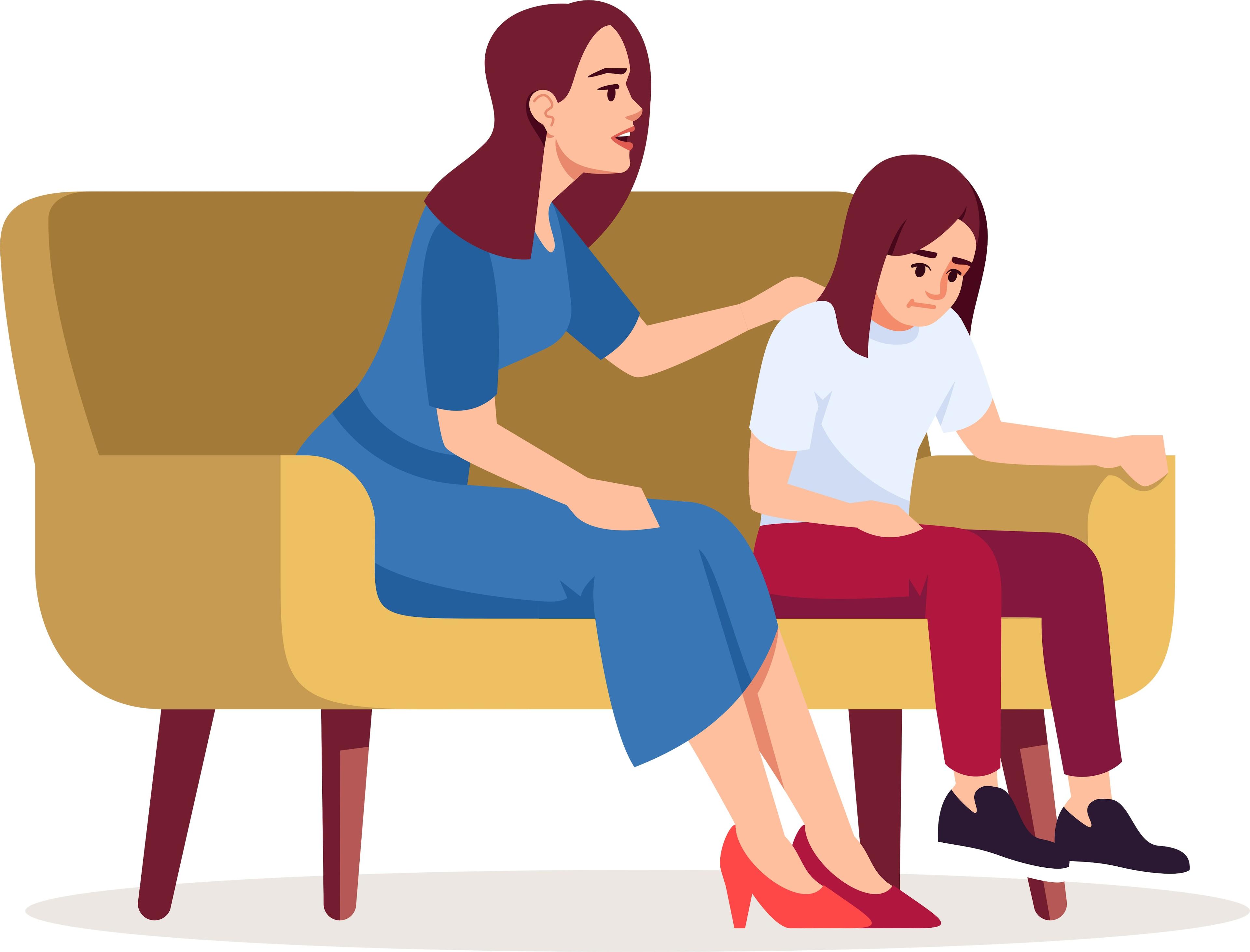
Permissive parenting often looks like a peaceful, affectionate style from the outside. The parent is warm, responsive, and willing to listen. Rules exist, but they tend to be flexible, negotiable, or inconsistently enforced. For many families, this approach begins with a good intention: to raise children who feel safe, loved, and free to express themselves. Yet when a child grows up in an environment where limits are soft and consequences are uncertain, it can shape development in subtle but meaningful ways. Over time, permissive parenting can influence a child’s ability to regulate emotions, manage impulses, build resilience, and function confidently in structured settings like school and social groups.
One of the clearest ways permissive parenting affects child development is through self-regulation. Children learn self-control through repeated practice. They build the ability to wait, to pause before reacting, and to tolerate frustration by encountering boundaries and working through the discomfort that boundaries create. In a permissive environment, a child may experience fewer consistent limits, which means fewer opportunities to exercise those “brakes.” When a parent frequently gives in to whining, negotiates rules in the moment, or removes uncomfortable feelings as quickly as possible, the child can start to expect immediate relief. This does not mean the child is spoiled by nature. It simply means the child has learned a pattern: discomfort leads to accommodation. Over time, that pattern can make it harder for the child to persist through difficult tasks or accept a “no” without a strong emotional reaction.
Emotionally, permissive parenting can create both strengths and vulnerabilities. Many children raised in permissive homes feel comfortable expressing their feelings because the home environment is accepting. They may be more open in conversation and less afraid of judgement. This emotional safety can support closeness and trust between parent and child. However, children also rely on adults to provide a sense of structure that makes the world feel predictable. When boundaries constantly shift, children can feel unsettled even if the home is loving. They may test limits repeatedly, not to manipulate, but to find clarity. If the parent’s “no” seems fragile, the child may keep pushing until a firm line finally appears. This can turn everyday moments into power struggles, leaving both parent and child feeling exhausted and confused.
Social development is another area where permissive parenting can have an effect. Children learn social norms by practicing them at home. Taking turns, listening without interrupting, accepting disappointment, and considering other people’s needs are not just “good manners.” They are skills that develop through consistent expectations and guided correction. When children are not required to follow rules at home, they may struggle to adjust in peer settings where other children will not accommodate them. Some may become demanding, easily frustrated, or controlling during play. Others may withdraw if they find social situations too challenging. In both cases, the child may need more time to learn cooperation and conflict resolution because those skills were not strongly reinforced in daily family routines.
School can amplify these challenges because classroom life depends on structure. Teachers expect children to follow directions, wait for their turn, complete tasks even when they are not fun, and accept correction without becoming overwhelmed. Children from permissive homes are not destined to fail academically, but they may spend more emotional energy resisting routines, arguing over instructions, or struggling with delayed rewards. This can affect confidence over time. A child who is used to flexible rules may interpret firm school boundaries as unfair, even though those boundaries are simply part of how groups function. Without early practice in handling limits, the child may feel more stressed when the outside world does not mirror the home environment.
Motivation and resilience also develop differently under permissive parenting. Many permissive parents avoid pushing their children, believing that pressure will harm self-esteem. Yet healthy self-esteem is often built through effort, not avoidance. Children gain confidence when they do hard things and see themselves improve. If a child is allowed to quit quickly or is rescued whenever tasks become uncomfortable, they may not develop strong frustration tolerance. Over time, the child can begin to avoid challenge, not because they are incapable, but because they have not practiced moving through discomfort. This can create a pattern where short-term comfort wins over long-term growth.
Independence is sometimes misunderstood in permissive households. A child may be given many choices, and that can support a sense of autonomy. Yet true independence also involves responsibility and follow-through. When freedom is offered without stable expectations, children may become skilled at expressing what they want, but less skilled at managing what they need to do. As children grow older, this can show up in struggles with time management, chores, homework routines, and accountability. They may feel overwhelmed by obligations because the home environment did not consistently train them to handle routines and consequences.
These effects become even more noticeable during adolescence, when peer influence grows and risk-taking becomes more common. Teenagers naturally test boundaries, but they still benefit from firm, predictable guardrails. If rules around curfew, screen use, or responsibilities are inconsistent, a teen may learn that rules exist only when a parent is upset. This can weaken the teen’s respect for boundaries in general. Conversations and emotional support matter, but they cannot fully replace the stabilizing role of clear expectations. Teens often need adults who can remain calm, consistent, and steady, even when the teen argues or pushes back.
It is important to recognize that permissive parenting is often rooted in care, not neglect. Many permissive parents want their children to feel deeply loved. Some are reacting against a harsh upbringing and fear repeating painful patterns. Others dislike conflict and equate boundaries with emotional distance. The intention is usually connection and kindness. The problem is not warmth itself, but the absence of structure that allows warmth to support growth. Children do not only need comfort. They also need consistency so they can develop internal stability.
The good news is that development is flexible, and families can adjust without abandoning gentleness. Boundaries do not have to be harsh. They can be calm and predictable. A parent can validate a child’s feelings while still holding a limit. A child can be upset and still follow through. When parents offer choices within boundaries rather than choices about boundaries, they protect a child’s autonomy while maintaining structure. Over time, this balance helps children build self-regulation, resilience, and confidence. The home becomes a place where feelings are welcome, but expectations are clear.
Ultimately, permissive parenting affects child development by shaping how a child learns to handle limits, discomfort, and responsibility. A child raised with warmth but little structure may feel emotionally safe yet struggle with self-control, persistence, and adjustment to external rules. By adding consistent boundaries while keeping emotional connection intact, parents can support healthier development without sacrificing the loving tone they value. The goal is not to become strict, but to become steady, so the child can grow into someone who is both emotionally expressive and capable of navigating the real-world demands that come with maturity.
 WhatsApp
 Instagram
 Threads