Soft skills have a strange reputation. People call them “soft” as if they are optional, like a nice accessory you add after you master the hard parts of your job. In reality, they are the skills that decide whether your ideas travel, whether your work gets trusted, and whether your relationships stay strong when stress shows up. You can be technically excellent and still struggle to move projects forward if your communication confuses people, if your presence disappears under pressure, or if conflict turns every discussion into a personal battle. Developing soft skills is not about changing your personality. It is about changing your patterns, especially the small daily ones that shape how people experience working with you.
One reason soft skills feel difficult to improve is that many people assume they are traits. Someone is “naturally confident,” “naturally likable,” or “naturally good with people.” That story makes growth feel fake because it sounds like you are performing a version of yourself that is not real. A better way to see soft skills is as behaviors that can be practiced. They show up in what you ask, what you clarify, how you respond when you feel challenged, and how quickly you repair misunderstandings. Underneath every polished interaction is a set of choices that can be learned, repeated, and refined. The goal is not to become louder or more charming. The goal is to become clearer, steadier, and easier to work with.
The best place to start is to stop waiting for a dramatic moment to “use” soft skills. They already live in ordinary moments. They are in the quick message you send when you are busy, the tone you take when you disagree, and the way you handle a vague request. They are in meetings where you either help the group move forward or quietly add to the confusion. Because these moments happen constantly, they are also the most reliable training ground. Improvement comes from choosing one behavior to practice consistently, then noticing what changes in the way people respond to you.
Listening is often described as the foundation of soft skills, but listening is not simply being silent. In the workplace, good listening is active and specific. It means you reflect back what you heard so the other person feels understood and so mistakes can be corrected early. It means you ask clarifying questions instead of guessing, and you confirm what matters before rushing to solve the problem. Many people try to prove value by offering solutions immediately, but strong listening is a different kind of value. It reduces confusion, lowers defensiveness, and makes collaboration smoother. In teams with high trust, you hear more confirmation and fewer corrections because people do not feel constantly misread.
Communication is the next pressure point, especially in writing. Modern work leaves a paper trail in chats, emails, and documents, where tone can easily be misinterpreted. You can be brief and still sound cold. You can be direct and still trigger a defensive reaction that slows the work down. Improving communication does not mean decorating every message with friendliness. It means writing with clarity and intent. When you ask something, it helps to explain why you are asking. When you push back, it helps to name the shared goal before discussing the disagreement. When you give feedback, it helps to describe what happened and what impact it had, instead of making it about someone’s character. These small adjustments keep the focus on solving the problem together rather than winning an argument.
Confidence, too, is frequently misunderstood. Many people equate confidence with volume, speed, or dominance in a room. But confidence that earns trust looks more like readability. People understand your point without needing to decode it. They understand what you need, what you believe, and what you are uncertain about. This kind of presence is not a performance. It is coherence. You can build it by noticing how you enter conversations. If you tend to start with long disclaimers because you fear being wrong, you can practice leading with your main point, then adding context. If you over-explain because you fear judgment, you can practice being concise and inviting questions. Presence is not pretending you have no doubts. It is being honest about doubts in a way that still moves the discussion forward.
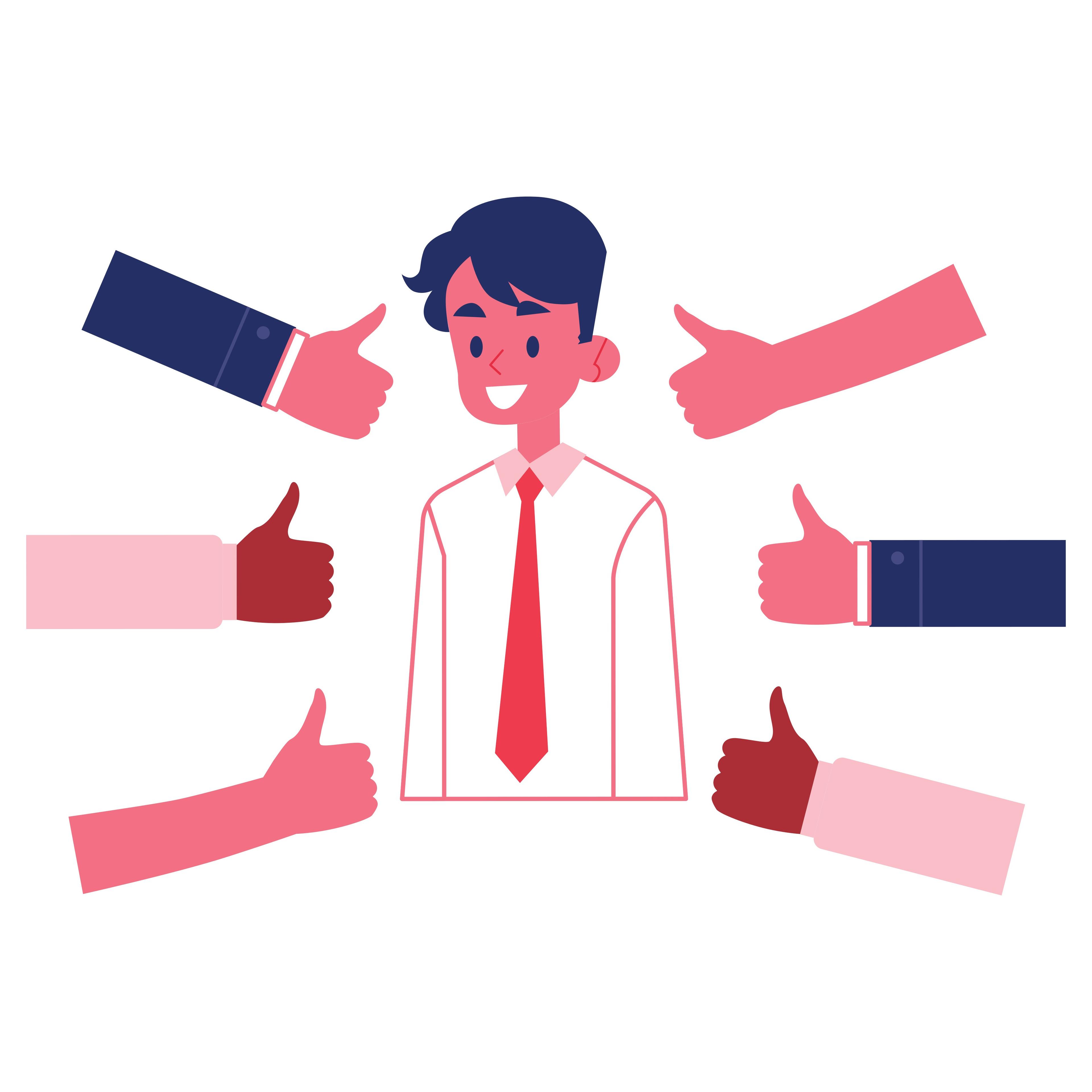
Feedback is another area where soft skills either strengthen relationships or quietly weaken them. Many people treat feedback like an official event that happens only during performance reviews, but healthy teams rely on ongoing micro-feedback. What matters most is timing and specificity. Small issues are easier to address early, before they harden into resentment. When you give feedback, it helps to focus on observable behavior and impact, then make a clear request for what would work better next time. When you receive feedback, the practice is staying curious instead of defensive. Defensiveness is often a reflex, but you can train yourself to ask, “Can you share an example?” or “What would good look like to you?” This shifts feedback from accusation to information, which is the only version that helps you improve.
Conflict is the moment many soft skills are revealed. It is easy to be kind when everything is smooth. It is harder when deadlines slip, priorities collide, and someone’s tone feels sharp. The goal is not to avoid conflict, because disagreement is normal in any team doing real work. The goal is to keep conflict from becoming personal and to prevent it from spreading. A common reason conflict escalates is that people argue about solutions before they agree on the problem. One person may be focused on speed while another is focused on quality, and both feel unheard because the deeper concern was never named. Strong conflict skills often involve slowing down just enough to clarify what each person is protecting, then negotiating from that shared understanding.
Emotional regulation is the quiet soft skill that supports all the others. Under pressure, your nervous system tends to drive your behavior. You interrupt, you shut down, you become sharp, you over-explain, or you disappear. When emotions run high, people watch how you respond, especially if you have influence or responsibility. Staying regulated does not mean pretending you are calm. It means choosing a response that helps the situation rather than escalating it. You can be frustrated and still be constructive. You can be disappointed and still be fair. Over time, this steadiness builds a kind of trust that is hard to earn any other way.
Social awareness expands these skills beyond your own behavior to the environment around you. It means noticing dynamics in meetings and group channels, including who gets interrupted, who stays quiet, who carries the unglamorous work, and how decisions actually get made. It also means recognizing that digital spaces are rooms too. Threads, comments, and chat channels shape how safe people feel to share ideas. Social awareness is not about overthinking every interaction. It is about paying attention to patterns and adjusting your approach so your message lands the way you intend.
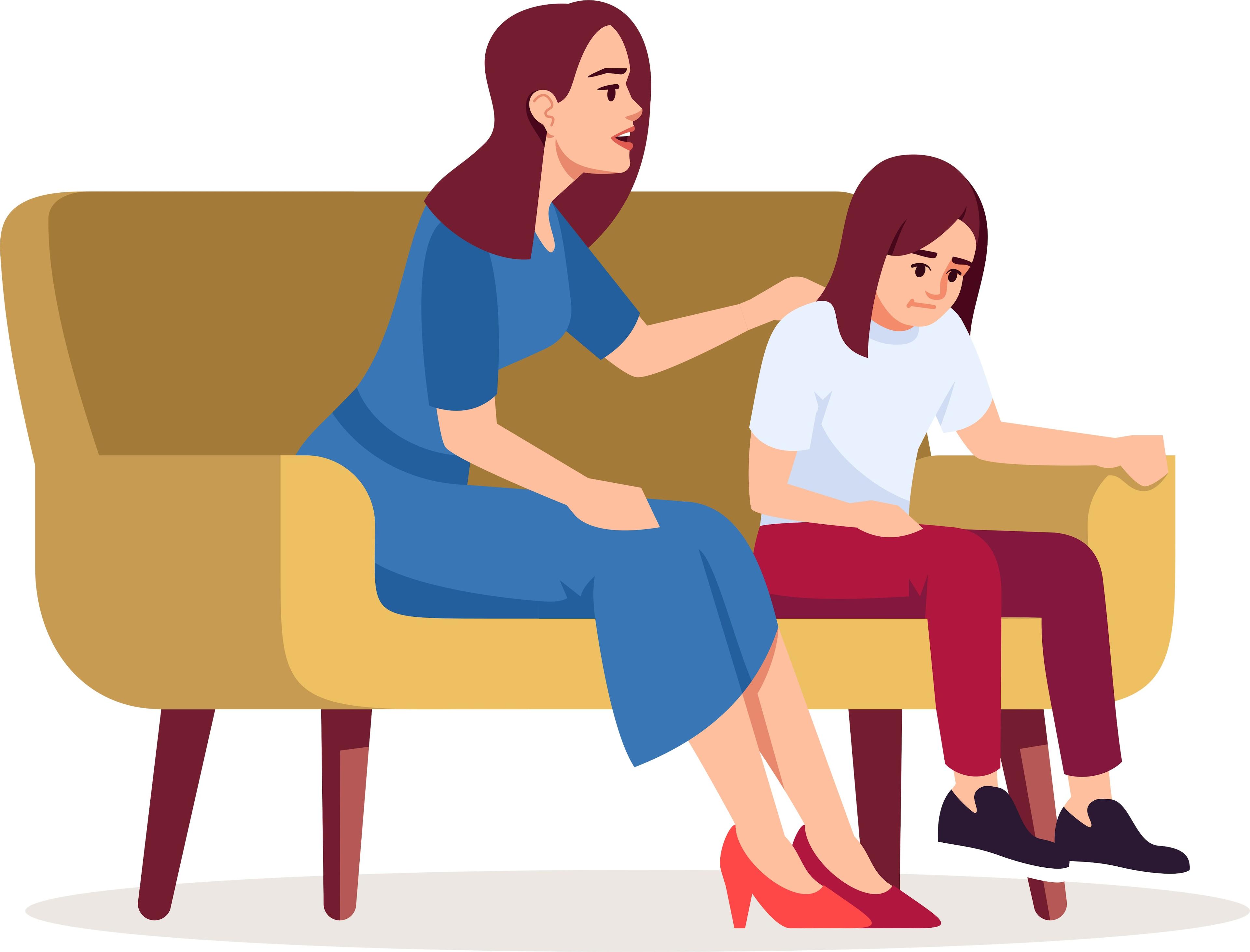
Empathy supports social awareness, but it does not require turning work into therapy. In a practical sense, empathy is accurate perspective-taking. It is the ability to imagine what someone might be dealing with so you can communicate in a way they can receive. This often reduces unnecessary tension because you stop interpreting every rough moment as a personal attack. Empathy also helps you set boundaries wisely. Understanding someone’s stress does not mean excusing poor behavior. It means addressing the behavior without adding extra hostility.
One of the most underrated soft skills is reliability, not in the narrow sense of being busy all the time, but in the relational sense of reducing mental load for others. Reliable people close loops. They follow through. They update early when plans change. They do not surprise the team with silence or last-minute chaos. This reliability builds trust quietly, and then it compounds. People feel safe depending on you, which often leads to better projects, stronger partnerships, and more influence.
Ultimately, developing soft skills is less about grand self-improvement and more about deliberate repetition. You choose one behavior to practice in real situations, you watch what happens, and you adjust. Over time, you become more consistent, more readable, and more capable of repair when things go wrong. That is the heart of soft skills. They are not decoration. They are the everyday behaviors that make other people willing to work with you, believe you, and build something alongside you.
 WhatsApp
 Instagram
 Threads