Cortisol keeps you steady under pressure. It holds your blood pressure in a safe range, tempers inflammation, and helps you rise to the occasion when life gets loud. Trouble starts when that short burst of support becomes a long, unbroken flood. The change rarely arrives with fanfare. It creeps. Clothing fits differently, sleep feels thin, moods wobble, and workouts stall. What looks like ordinary stress can in fact be a body that has been living with high cortisol for too long.
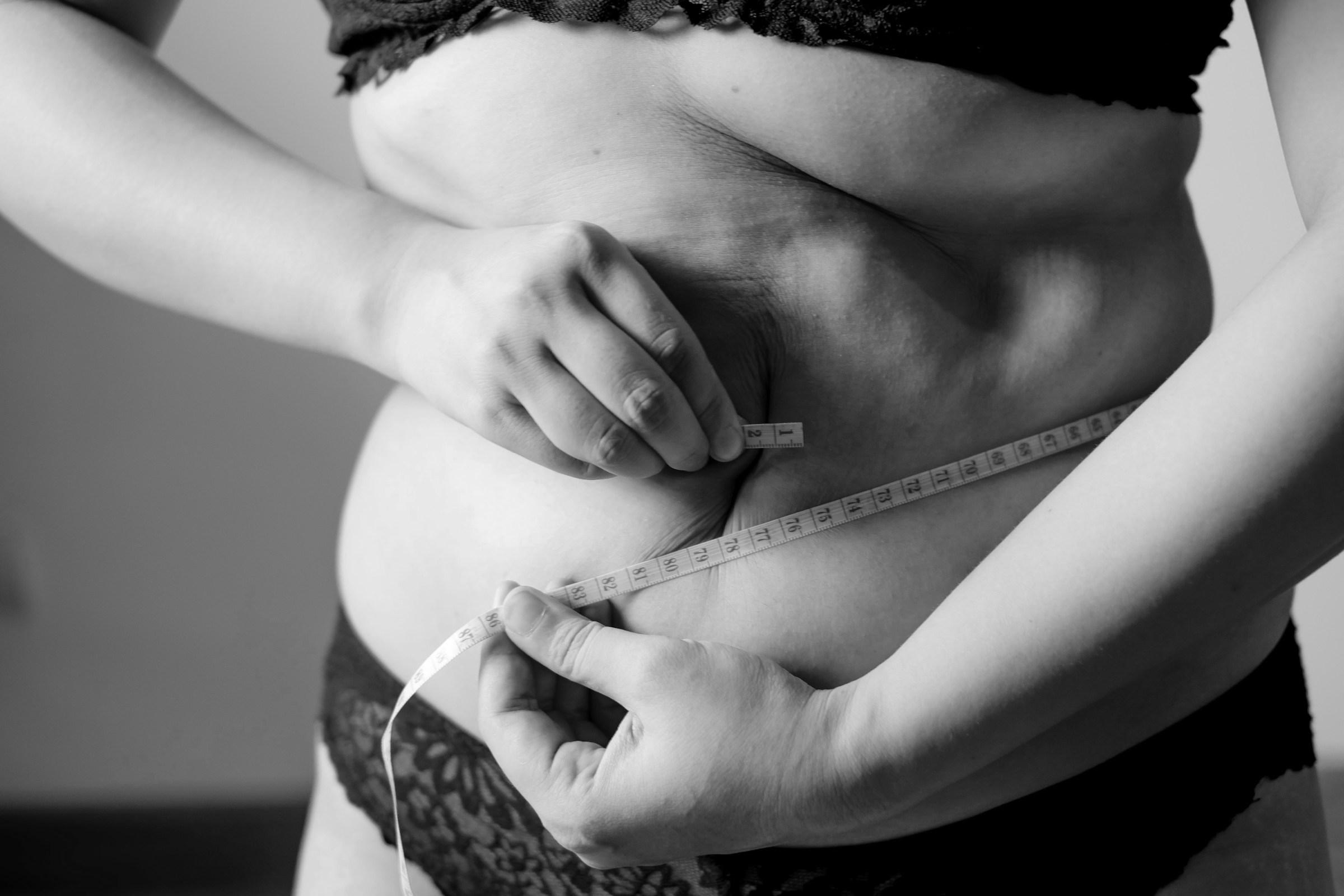
The most visible shift often appears in how weight settles. Instead of an even spread, extra fat gathers around the waist, the upper back, and the face. The arms and legs can look leaner by comparison. A rounder face in photos and a small pad of fat between the shoulders are the clues many people notice first, especially if nothing else in training or diet has changed. This pattern does not prove anything on its own, but it should invite a closer look, because cortisol pushes fat toward the center of the body and changes how tissues handle sugar and insulin.
Skin adds its own layer to the story. Thin, fragile skin bruises with minor bumps. Stretch marks, which many people have, can widen and turn purple along the abdomen, hips, or underarms when cortisol runs high for months. Acne can flare and small cuts may take longer to close. These changes reflect the effect of cortisol on collagen and repair. When central weight gain arrives alongside easy bruising and broader, darker stretch marks, the pattern becomes harder to ignore.
Muscles weigh in as well, and the weakness has a signature location. The thighs and shoulders lose strength first. Standing from a deep seat feels like more work than it should. Carrying groceries up a flight of stairs burns the quads. Lifting arms to put boxes on a high shelf tires you out of proportion to the task. Lifters may watch their numbers stall in squats or overhead work without a clear reason. Non lifters simply feel that daily effort has climbed a notch. Cortisol drives protein breakdown over time, and the muscles closest to your core are often the ones that show it.
Metabolic markers drift in the background. Blood pressure inches upward. Fasting glucose rises and some people slide toward insulin resistance or type 2 diabetes. Lipids can move in the wrong direction. None of these numbers label cortisol as the villain by themselves, because many paths lead to the same lab printout. Still, numbers do not lie about trends, and when they travel in the same direction as the body changes you can see in the mirror, a clear narrative forms.
Mood and sleep rarely escape. People often describe a feeling of being stuck in an anxious idle during the day and wired but tired at night. Sleep breaks up or arrives late. Morning feels blunt even after a full night in bed. Irritability lingers. A low mood can settle in, not deep enough to feel like a crisis, but persistent enough to dull a week. Cortisol is not the only actor in these shifts, yet when sleep and mood changes sit next to the physical signs above, they round out the picture.
Hair and hormone signals can join the chorus. Some women notice new facial hair growth or more irregular cycles. Libido may dip. Men can experience erectile problems that do not match their fitness level or relationship satisfaction. These are common issues in the general population, which is precisely why context matters. On a blank canvas, they do not say much. Next to central weight gain, skin changes, and blood pressure creep, they contribute to a single, coherent theme.
Bones speak more quietly. Long exposure to high cortisol can thin bone and increase fracture risk. You will not feel that in the short term. It shows up later, which is why clinicians consider bone health if the rest of the pattern is present. Prevention beats repair here, and early action slows or reverses the damage.
There is a clinical name for the severe end of this spectrum. Very high and persistent cortisol can produce Cushing syndrome, a cluster of features that includes central fat gain, a rounder face, a pad of fat on the upper back, thin skin, easy bruising, wide purple stretch marks, weakness in the thighs and shoulders, blood pressure and sugar problems, and mood and sleep disruption. The source can be external, such as long courses of steroid medication for another condition, or internal, such as a problem in the pituitary or adrenal glands. The outward picture looks similar. The cause determines the treatment.
Because life is messy, symptoms overlap with common problems. Many people live with high blood pressure, weight gain, irregular periods, or low mood without any disorder of cortisol at all. That is why endocrinology uses a structured approach rather than a hunch. Screening often begins with simple but specific tests. A late night saliva sample checks whether cortisol has fallen the way it should by bedtime. A 24 hour urine test measures total free cortisol across a full day. A low dose dexamethasone test checks whether cortisol production can be suppressed as expected. No single result lives on an island. A clinician matches numbers with the story your body tells, then repeats or confirms with a second method if needed.
So when should you ask for testing. Use clusters and time. If you see central weight gain, a rounder face, a small pad of fat over the upper back, easy bruising, wider purple stretch marks, weakness in the thighs and shoulders, and a drift upward in blood pressure or fasting glucose over several months, talk to your doctor. If you use steroid medication by mouth, by injection, or in high dose inhalers, bring the exact drug and dose to your appointment, because that history matters. A single rough week of work will not create this full pattern, and a puffy face after poor sleep does not equal a medical syndrome. Precision protects you from both denial and panic.
If tests suggest high cortisol, the next step is to find and fix the source. When medication triggered the problem, a supervised taper or a switch may solve it. When a pituitary or adrenal source drives the excess, surgery or targeted therapy is often the path. Some cases use medicines that block cortisol production or action. As cortisol normalizes, many symptoms recede. Fat distribution slowly shifts, skin quality improves, strength returns, mood steadies, and numbers on a lab sheet travel back toward normal ranges. Early action raises the odds of full recovery.
Lifestyle will not cure medically driven cortisol excess, yet it can lower noise and support treatment. Keep sleep consistent with a stable window and a reliable wind down ritual. Move most days with a mix of strength training and gentle to moderate cardio, because muscle is protective and movement calms the stress system. Build meals around protein, fiber, and steady carbohydrates to avoid wild swings. Keep caffeine earlier in the day and keep alcohol modest. None of these habits replace medical care, but they place your body in a position to respond.
If testing comes back normal but symptoms are real, a good clinician will keep looking. Thyroid disease can mimic parts of this story. Polycystic ovarian syndrome can overlap with weight changes and irregular cycles. Major depression can alter sleep and energy. Alcohol misuse and certain medicines complicate the picture. The goal is not to chase a label. The goal is to name the cause accurately so that treatment fits the person in front of the desk.
A practical step before any appointment is a short self audit. For six to eight weeks, keep simple notes in four areas. Track what you see in the mirror around your face, neck, upper back, and waist. Record any new bruising or stretch marks and how long small cuts take to heal. Note how your thighs and shoulders feel during stairs, deep chairs, or overhead tasks. Log home blood pressure and fasting glucose if you monitor them. Patterns beat impressions, and a small notebook can show a pattern that a single visit cannot.
In the end, the symptoms of high cortisol levels form a pattern you can learn to recognize. Central fat gain arrives with a rounder face. A small hump can appear between the shoulders. Skin grows fragile and bruises easily, and stretch marks can widen and darken. The thighs and shoulders lose strength out of proportion to overall fitness. Blood pressure and blood sugar drift upward. Mood and sleep shift out of their usual rhythm. Hair and hormone signals may change. When several of these settle in together and persist, it is time to test. When tests confirm a cause, treatment works best when it starts soon. When lifestyle can support that plan, lean into the simple habits that keep the system steady. This is how you move from vague worry to clear action, and from a body stuck in high alert to a body that can finally exhale.
 WhatsApp
 Instagram
 Threads
-1.jpg&w=3840&q=75)